A story of longing, silence, and the quiet heartbreak of doors that should always be open
By Adizova Sanobar
Sitora stood in her kitchen, phone in hand, heart already bracing for what she knew was coming.
She had rehearsed the call a dozen times. Her brother’s number sat on the screen. She pressed dial anyway — because hope, however frail, is the last thing a person surrenders.
“Assalamu alaykum, dear brother. How are you? We were hoping to bring the children over today. Will you be home?”
A pause. Then his voice, flat and impatient: “So that’s why you called. Fine, come if you must — but we have neither meat nor bread. Bring everything with you. I have no money to spend on guests.”
The call ended. Sitora wept.
Childhood is the most tender chapter in a girl’s life. For many daughters, those early years are wrapped in warmth — a parent’s embrace, a mother’s voice, the particular safety of a home that belongs to you simply because you were born into it. For Sitora, now a devoted wife and mother of four, that warmth had long since cooled into something she could barely recognise.
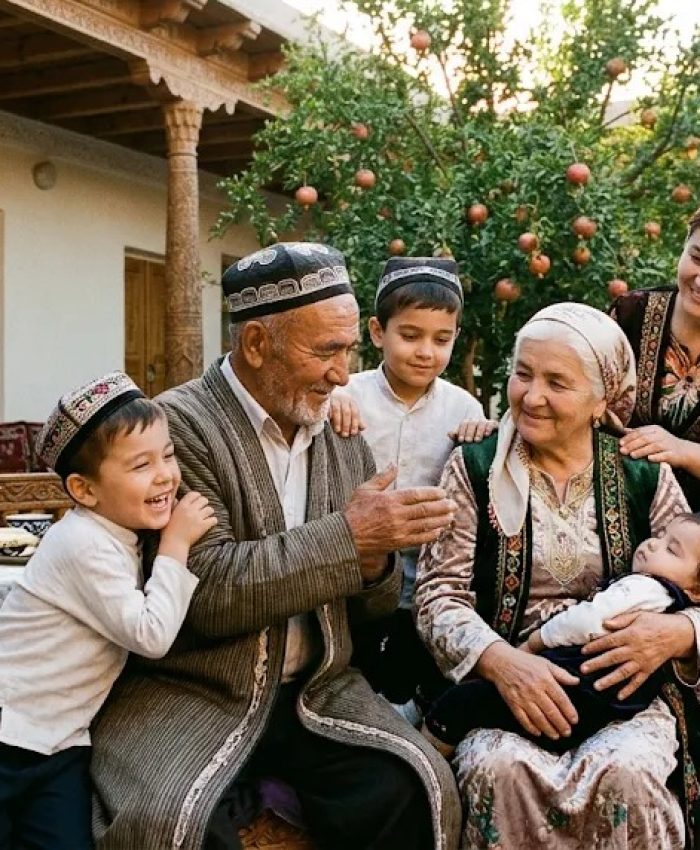
She still longed to go back. Not for herself, she told herself — but for her children. She wanted them to know their grandparents, to run across a family courtyard, to feel the embrace of a home rooted in shared history. Yet every visit carried its price. Her brother’s irritation was barely concealed. Her sister-in-law’s remarks cut quietly but precisely. Two hours was all Sitora could endure before the humiliation became heavier than the longing that had brought her there.
She had watched her friends describe weeks spent at their parents’ homes — welcomed, fed, fussed over. She listened and said nothing. What could she say? That her brother had once, in winter, taken the coat from his own back to keep her warm? That he had sat at her bedside through illness, praying under his breath, refusing to leave? That the boy who had once split a single piece of bread with her had become, somehow, a man who now charged for the meals at his table?
Time and circumstance reshape people in ways that the children they once were could never anticipate. That knowledge did not make it hurt less.
She was still sitting with the silence of the ended call when her youngest daughter, Oyshakhon, came bounding into the room, eyes bright with excitement.
“Mummy, are we going to uncle’s house? Should we start getting dressed?”
Sitora looked at her daughter — at the uncomplicated joy on that small face — and felt the particular cruelty of a moment that required her to choose between truth and protection.
She wiped her eyes. She steadied her voice. She smiled.
“Not today, my love. Your uncle isn’t home. We’ll visit another time.”
Oyshakhon accepted this without question and ran back to play. Children trust their mothers completely. It is both their great gift and their vulnerability.
Sitora turned back to the wall. The question that had been forming all morning finally settled into words, quiet and unanswerable:
Must a daughter now invent excuses just to visit the home where she grew up?
There was no one in the room to answer. There rarely is, for women who carry this particular grief — the grief of a door that was never locked, yet somehow never truly opens.
Adizova Sanobar is from Uzbekistan and is an employee of a private enterprise in Narpay District.
Similar Posts by The Mt Kenya Times:
- Campus marriages: Are parents aware their children are playing house at university?
- Four teenagers held over Dandora phone-snatching spree
- One million candidates, 261,000 missing: Is Kenya’s education system leaving children behind?
- United’s last-minute rescue: Two late goals deny Villa victory in eight-goal thriller
- Anxiety disorders in Kenya: A silent epidemic we can no longer ignore