The Limuru Declaration: African Scholars Convene To Reconceptualize The SDGs For A New Reality
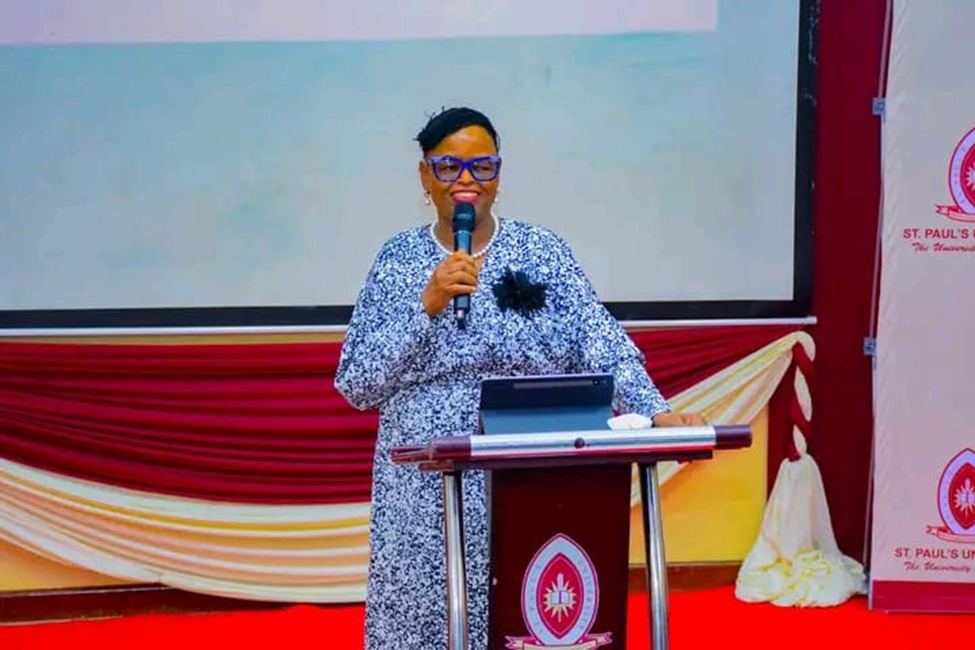
Chief Justice and President of the Supreme Court of Kenya, Hon. Martha Koome
By: T. Vundi Mwilu.
The global development clock continues to relentlessly tick. A mere five years remaining until the 2030 deadline, the promise of achieving the Sustainable Development Goals SDGs, (the ambitious 17-point global blueprint adopted at the UN Headquarters in Ney York in 2015 to succeed the Millennium Development Goals) hangs in a precarious balance. For the African continent, which is still grappling with historic vulnerabilities and a rising tide of contemporary crises, the probability of fulfilling the mandate to affirm human dignity by ending poverty and hunger and ensuring gender equality, peace, justice, and strong institutions is critically questionable. These comprehensive goals, which span everything from climate action and social well-being to universal access to quality education, face monumental headwinds. Persistent under-financing, severely exacerbated by major shifts in external donor policy; including the notable cuts to vital African health and development initiatives following the tenure of US President Donald Trump, cripples progress in a continent heavily reliant on external development aid. Compounding this, the surge of internal conflicts and wars has not only stalled development but actively reversed years of hard-won gains, leading to massive displacement, entrenched inequality, acute food insecurity and a widespread breakdown of essential services and infrastructure.
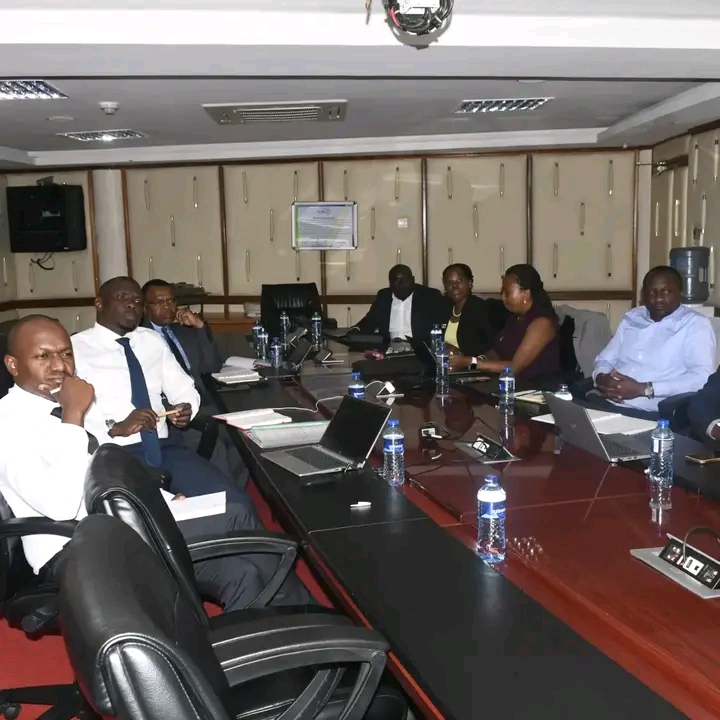
Against this profoundly challenging backdrop, the need to critically reconceptualize the SDGs to fit the stark, evolving realities of the contemporary world has become an urgent, non-negotiable mandate. This crucial conversation was recently championed by St Paul’s University in Limuru, Kenya, during its 5th International Annual Research Conference, which concluded this past Friday. The conference was organized by the university’s Faculty of Social Sciences, gathering over 30 universities from across the globe, including key academic voices from diverse nations like Zimbabwe, the United States, Nigeria and Côte d’Ivoire. Under the deeply resonant theme, “Re-conceptualizing Sustainable Development Goals for today’s challenges and tomorrow’s possibilities,” the three-day forum, which ran from October 1st – 3rd, providing a high-level, critical platform for vital interdisciplinary engagement and exchange of insights.
The importance of the event was significantly validated by the Honorable Chief Justice and President of the Supreme Court of Kenya, Hon. Martha Koome. In her keynote address on the second day of the conference, Chief Justice Koome underscored the timeliness of the theme, stressing the immediate urgency of a paradigm shift from mere rhetoric and aspirational speeches to decisive, measurable action. “We are at a critical intersection,” she stated emphatically, “where we must collectively emerge from the multifaceted challenges of poverty, climate change and inequality. This conference avails an important opportunity for cross-disciplinary engagements and actionable insights that will truly tackle the challenges of our ever-evolving world and secure future possibilities.”

The presentations and research findings shared throughout the conference spanned a wide spectrum of sub-themes, offering highly localized and often context-specific perspectives on issues ranging from faith-based perspectives on AI and Biotechnology, to leveraging strategic communications, alongside advancing the SDGs through Universal Health Coverage and integrated approaches to development. A particularly powerful African perspective was powerful articulated by Prof. Ester Mombo, who brought to life the voice of African Women in theology. She emphasized that truly affirming human dignity requires concrete economic and technological measures, specifically calling for the employment of Artificial Intelligence and Technology into smart farming and critically addressing systemic barriers to equitable resource distribution. Prof. Mombo pointed out that limiting factors such as “women’s marginalization and restrictions on land ownership/inheritance severely constrain the realization of SDG 2 (Zero Hunger) in Africa.” Access to land, she argued, is the most direct pathway to increasing food productivity and achieving food security.
Speaking on governance and the failures within the education sector, Prof. Karuti highlighted that while the Kenyan government theoretically invests heavily in education subsidies, intended to uplift public learning institutions, these funds often fail to trickle down to the intended beneficiaries. Instead, the subsidies are absorbed into the pockets of public servants in the education sector, who then bypass the system they govern by sending their own children to schools abroad, a practice that continues to create a mess in the governance of education and widen the opportunity gap. Prof. Karuti also pointed out a broader regional challenge that undermines SDG 4 (Quality Education) and SDG 9 (Industry, Innovation, and Infrastructure): East African universities are struggling significantly to attract vital international research grants. He warned plainly, that “universities cannot attract funding without cultivating research that attracts visibility and credibility on the global stage.”
On the issue of peace, a fundamental and non-negotiable prerequisite for all developmental progress, Prof. Macharia Munene, an established scholar in International Relations and History, noted that the realization of the SDGs globally, calls for peace, and that “peace is not given but worked for.” He provided a sobering, context on the devastating economic and human cost of conflict in Africa. Today, nearly 30 percent of African countries are affected by intense conflicts, and data confirms that annual economic growth in these conflict-ridden states is, on average, 2.5 percentage points lower than in stable nations. Furthermore, internal wars and violence have forcibly displaced over 40 million Africans, a figure that has more than doubled since 2016. This staggering movement of people, particularly in states like Sudan, the Democratic Republic of the Congo, destroys the physical and social foundations necessary for developmental progress, pushing communities back into a destructive cycle of extreme poverty, inequality and hunger due to disrupted farming.
With the 2030 deadline now literally at a stone’s throw distance, current tracking reports indicate that Africa is collectively only halfway to achieving the SDG targets, with an average overall SDG progress score of approximately 53.6%, the urgency to strategically reconceptualize the SDGs is indisputable. The consensus among the conferees was that reimagining the goals must involve a radical commitment to localization and the systematic integration of the SDGs with the African Union’s own continental framework, Agenda 2063: The Africa We Want. This 50-year blueprint, which shares an estimated 85% goal alignment with the SDGs, provides the necessary contextual grounding to address local issues not through Western-prescribed development models, but by drawing real, verifiable Data from Africa and ensuring that research by African researchers is made accessible and influential for policy development, a point strongly emphasized by Dr. Wachira Wamuyu.
To achieve meaningful and sustainable development in Africa with a timeframe of only five years will require us to radically prioritize domestic resource mobilization, enforce institutional governance and accountability, and forge a cohesive, data-driven continental strategy that places African solutions and African resources at the center of African transformation.
Similar Posts by The Mt Kenya Times:
- ‘No one will touch Kylian’: Macron draws a line
- Three from three: City’s new era is up and running
- Love came home to Sheema
- When strength becomes silence
- Keeping a flame alive: The Turkic world’s debt to Ganira Pashayeva
About the Author