Ejersa steers KEMSA towards a more resilient and responsive health supply chain
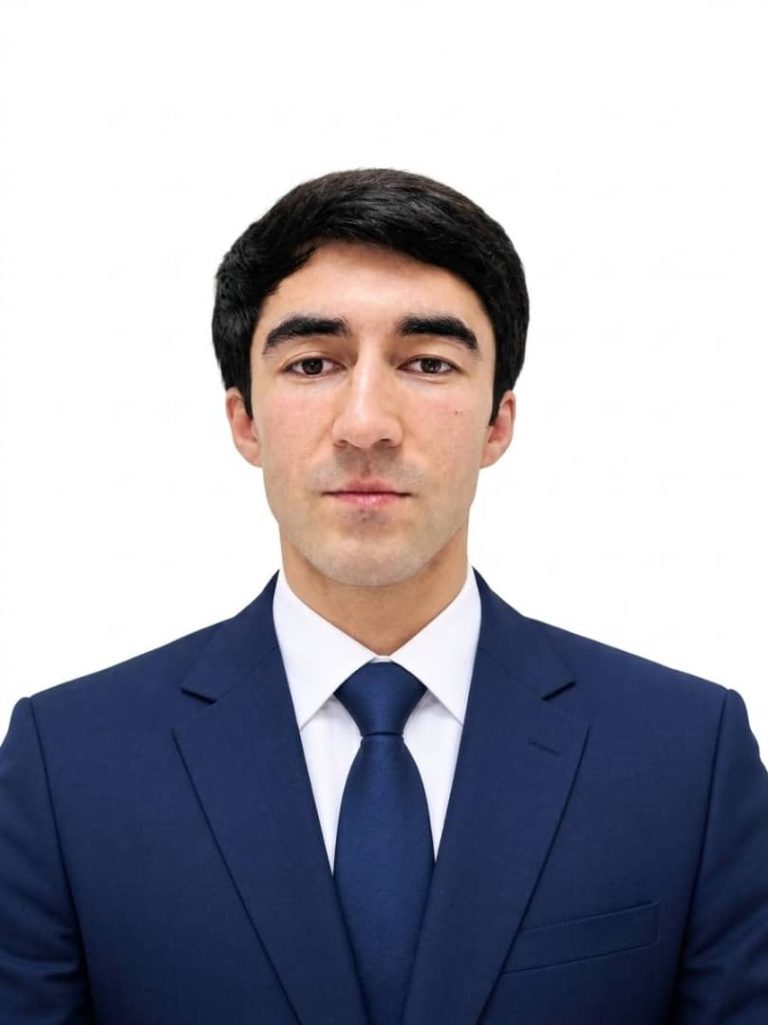
KEMSA Chief Executive Officer Dr. Waqo Dulacha Ejersa
The KEMSA chief is building partnerships with DP World and AstraZeneca to secure medicines for millions of Kenyans depending on public health facilities
By John Kariuki
Waqo Dulacha Ejersa, the chief executive of the Kenya Medical Supplies Authority, is reshaping how the country thinks about healthcare delivery — starting not at the hospital door, but at the supply chain that feeds it.
Under Ejersa’s leadership, KEMSA has been deepening strategic partnerships aimed at ensuring that essential medicines and health products reach facilities across Kenya reliably, efficiently and on time. The approach reflects a straightforward but often overlooked truth: quality healthcare is impossible without a supply chain capable of supporting it.
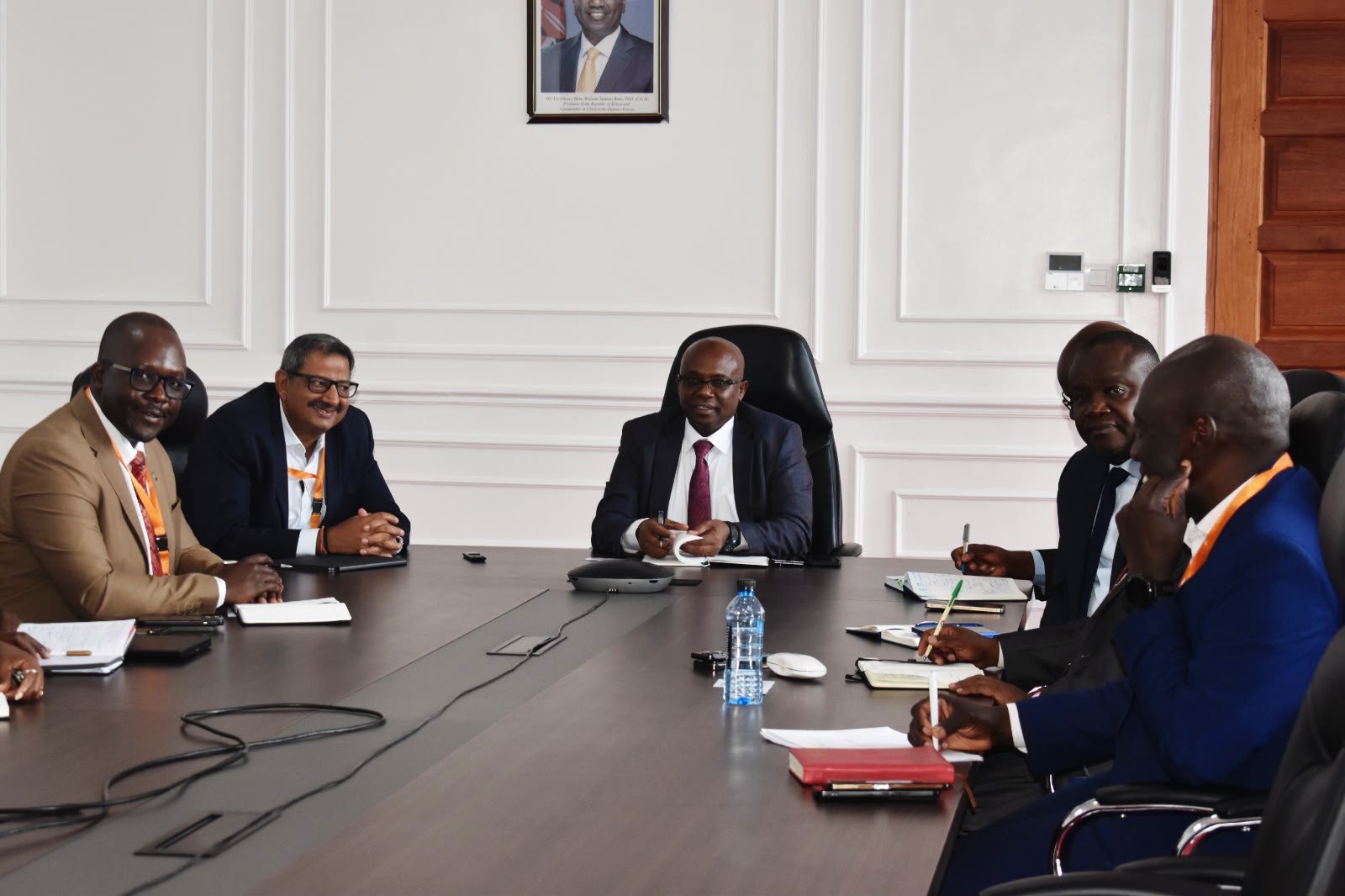
That thinking was on display when Ejersa, alongside KEMSA senior management, held discussions with DP World Kenya Managing Director Marseille Onyango and his team on ways to strengthen health product logistics, improve resilience and build long-term sustainability into the supply system.
The engagement was not routine. It reflects a deliberate shift in how Ejersa is positioning KEMSA — less as a procurement agency moving commodities from warehouse to facility, and more as a strategic institution building an intelligent, responsive ecosystem in which technology, logistics, partnerships and sound management work together.
The discussions also brought in AstraZeneca regional leadership, represented by Alliance Director for Sub-Saharan Africa Amit Bhakri, underscoring the importance of public-private collaboration in expanding access to medicines for cancer and other non-communicable diseases. The timing is significant. Kenya faces a growing burden of non-communicable diseases, and patients need consistent, affordable access to essential treatments. KEMSA sits at a critical point in that chain.
Ejersa’s approach is anchored on a clear philosophy: no single institution can solve the health supply challenge alone. Collaboration is not ceremonial — it is operational. His administration is using partnerships to identify concrete solutions, exchange knowledge and adopt practices that can make health product distribution more dependable and more efficient.
Delivering on that requires more than adequate stock levels. It demands efficient procurement, dependable logistics, stronger demand forecasting, effective warehousing and distribution systems, and the institutional agility to respond when disruptions occur. These are the areas where Ejersa’s leadership has attracted attention — particularly his emphasis on building a KEMSA that can adapt to the changing needs of Kenya’s healthcare system.
His stewardship comes at a demanding moment. The health sector needs institutions that combine operational discipline with long-term resilience. KEMSA’s performance is consequential — millions of Kenyans who rely on public health facilities depend on it getting this right.
By bringing together logistics specialists such as DP World Kenya and pharmaceutical leaders such as AstraZeneca, Ejersa is demonstrating what it looks like to draw on diverse expertise to address a complex national challenge. The partnerships open avenues for innovation, knowledge transfer and the adoption of more efficient approaches to moving health products across the country.
Resilience sits at the heart of his agenda. Health supply chains are vulnerable — to global logistics pressures, shifting demand, procurement constraints and unexpected disruptions. A resilient system must perform under normal conditions and adapt when they change. That is the institutional culture Ejersa is working to embed at KEMSA.
As Kenya advances its Universal Health Coverage ambitions, a dependable medical supply system is not optional — it is foundational. Health policies and programmes can only achieve their intended impact when facilities have the medicines and products required to serve patients. Ejersa has made that link between supply-chain excellence and health outcomes the defining thread of his leadership.
The engagements with DP World Kenya and AstraZeneca are therefore part of something larger than a round of stakeholder meetings. They represent a sustained effort to build a health-product ecosystem strong enough to serve Kenya today and equipped to meet the demands of tomorrow.
For KEMSA, the ambition is clear: optimal availability of quality, safe and affordable health products for every Kenyan who needs them. For Ejersa, the task is equally clear: provide the leadership to make it happen.
Similar Posts by The Mt Kenya Times:
- Nairobi Standard Chartered Marathon sponsorship rises 17% to unlock KSh273m for vulnerable groups
- When Rights exist on paper but barriers remain: Kenya must end the second-class treatment of Persons with Disabilities
- When everyone can speak, who will get heard?
- Fatuma Ibrahim Ali shortlisted for Parliamentary Service Commission seat
- Nairobi National Park: Connecting the world to nature through live conservation
About the Author