

North Macedonia’s Suzana Kelesoska has spent 33 years shaping young minds — and she is not done yet
By Ayesha Talib
Suzana Kelesoska has devoted more than three decades of her life to teaching children aged six to ten in North Macedonia, building a career defined by quiet dedication, professional rigour and an unshakeable belief that every child deserves an education tailored to who they are, not who the system expects them to be.
Her story begins in Bitola, where she graduated from the Faculty of Pedagogy “St. Kliment Ohridski” in 1988, earning the foundation she would spend the next three and a half decades building upon. She entered the classroom in 1993, and what followed was not simply a career but a calling. For the better part of those years, she taught at the primary school “Murat Labunishti” in Labunishta, in the municipality of Struga — a community she served with consistency and care through changing governments, shifting curricula and the relentless evolution of what it means to educate a child in the modern world.
There is something worth pausing on in that kind of commitment. Teaching in a single community for decades is not the glamorous arc that headlines tend to celebrate. It does not come with the visibility of a ministerial appointment or the recognition of a national prize. What it offers instead is something rarer: the lived experience of watching children grow into adults, of seeing the values and habits instilled in a first-grade classroom carry a person through secondary school, university and beyond. Kelesoska has had that experience many times over. She has, in the truest sense, raised generations.
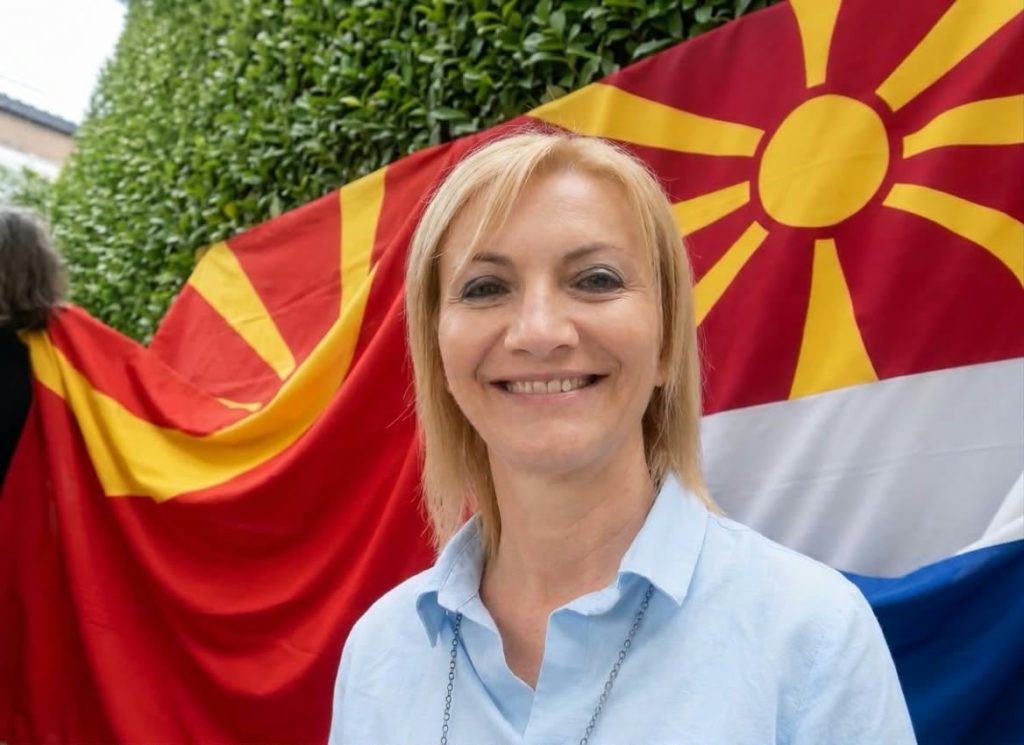
In March 2026, she began a new chapter, moving to the primary school “Brakja Miladinovci” in Struga, where she continues the work that has defined her professional life. The move did not represent a retreat or a winding down. For Kelesoska, it was simply the next room in a house she has spent her entire adult life building — the house of primary education in her country.
What sets her apart from many educators of comparable experience is her refusal to let expertise curdle into complacency. It is a professional hazard that affects teachers and doctors and lawyers alike: the longer you do something, the easier it becomes to rely on what has worked before and stop asking whether something better might exist. Kelesoska has consistently resisted that temptation. Throughout her career, she has participated actively in national and international seminars, webinars, conferences and symposiums — not as a box-ticking exercise, but out of genuine intellectual curiosity about the craft she has chosen.
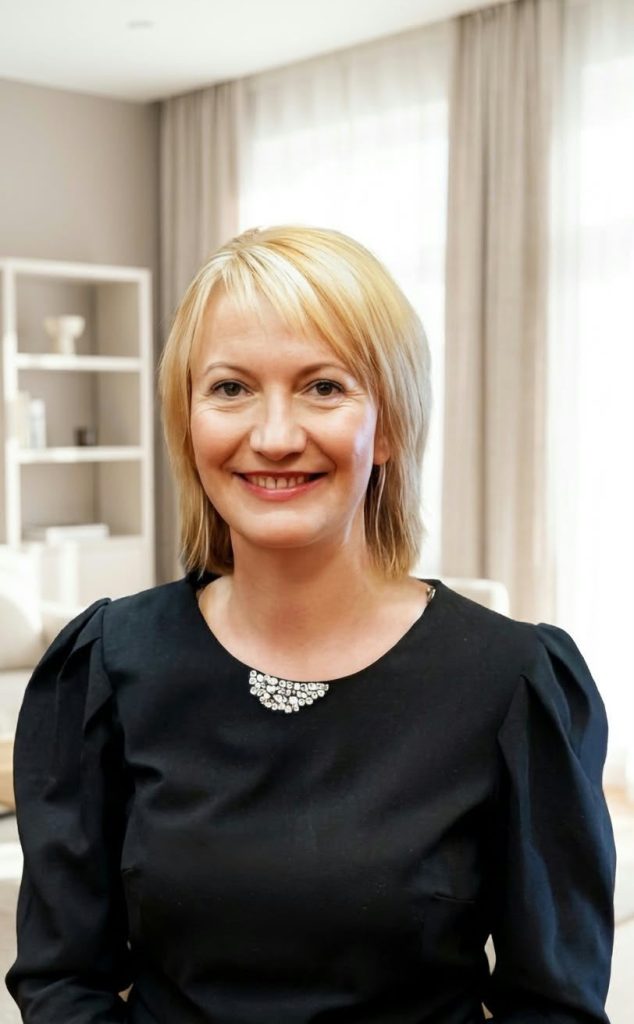
Her approach in the classroom reflects a deep and practical understanding of child psychology. She does not apply a single template to thirty different children and expect uniform results. Instead, she plans her teaching materials with care and adjusts them continuously — individualising content, pacing and method according to the capabilities and potential of each child in front of her. It sounds straightforward when stated plainly, but any teacher will tell you that it is one of the most demanding disciplines in education, requiring constant observation, reflection and the willingness to change course when a child is not reaching their potential through the method being used.
She is guided, too, by a clear sense of what she is ultimately responsible for. Her priority, she says, has always been the proper upbringing, education and progress of her students — not test scores alone, not administrative compliance, not the performance metrics that have come to dominate educational discourse in many countries, but the whole child. High personal integrity and dignity mark her conduct, and she sets goals for her pupils that are clear, achievable and genuinely motivating — goals designed not to intimidate but to stretch.
It is against this backdrop that her enthusiasm for the future of education becomes both credible and compelling. Kelesoska is not a technologist by training, but she has watched the classroom change across three decades and she understands, perhaps better than most, that another significant shift is under way. She believes firmly that now is the right moment for primary education to embrace the possibilities offered by artificial intelligence and modern digital tools — not to replace the teacher, but to lift the administrative burden that consumes so much of a teacher’s time and energy, and to elevate the quality of the teaching process itself.
It is a vision that carries weight precisely because it comes from someone who has earned the right to hold it. Kelesoska is not a theorist speaking from a conference platform about classrooms she has not visited in years. She is a practitioner, still teaching, still refining, still present in the daily reality of primary education. Her conviction that technology should serve pedagogy rather than the other way around is grounded in that experience — in knowing what a teacher actually needs and what a child actually responds to.
After 33 years, Suzana Kelesoska is still learning. That, more than any qualification or commendation, is what makes her worth listening to.
Similar Posts by Ayesha Talib:
- Beyond the likes: The pressure on young people to live up to unrealistic online lifestyles
- Investors Are Coming to Kenya’s Regions. Is the Middle of the Chain Ready?
- Authenticity over algorithms: World Media Summit explores trust in AI era
- Understanding the strengths of China’s governance model
- Mt Kenya Times ePAPER November 11, 2026