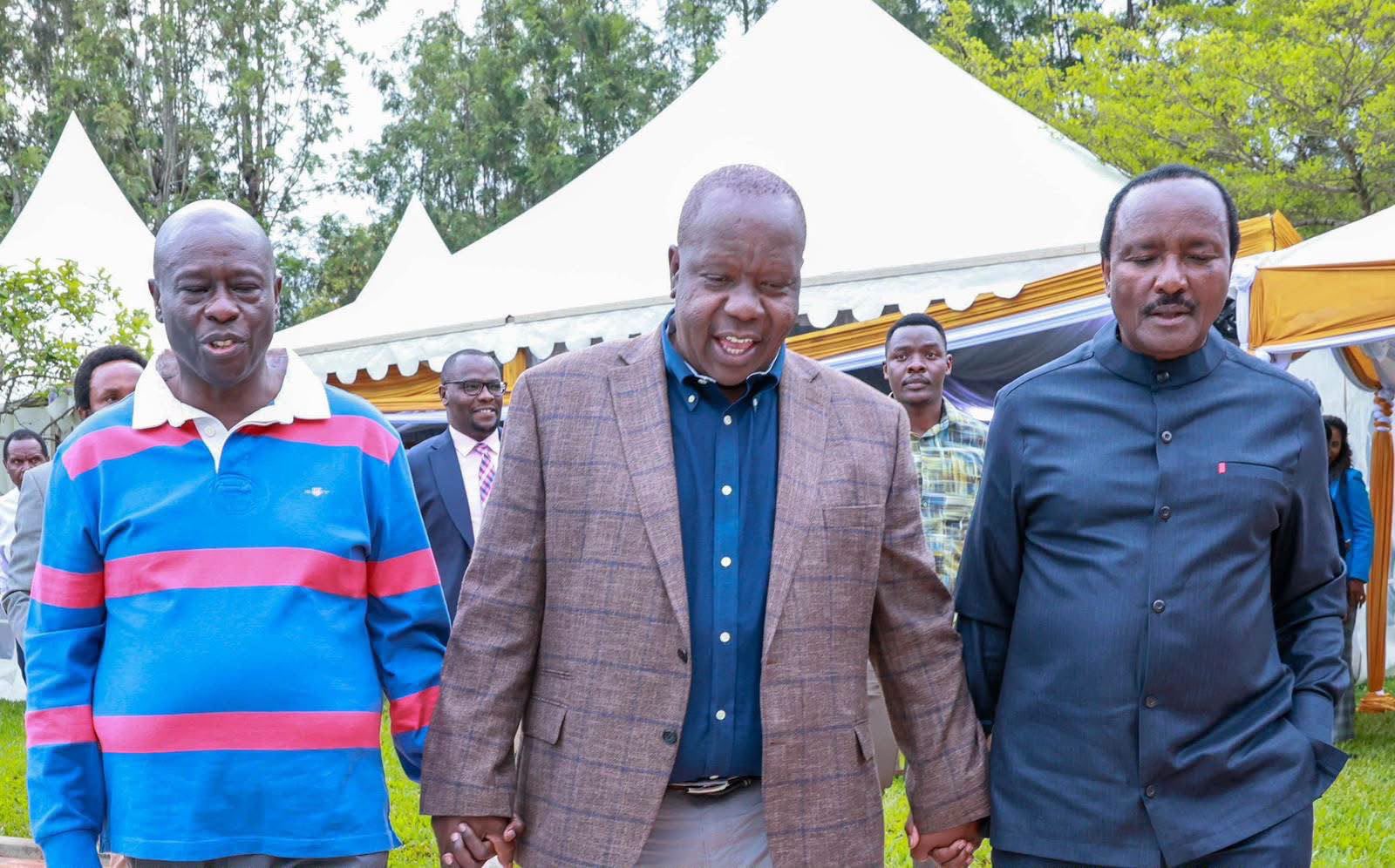
The Karen visits by Kalonzo, Matiang’i and their delegations carried the warmth of friendship — and the unmistakable undertone of 2027
By: Grace Wanja
Senior opposition leaders, including Wiper Patriotic Front leader Stephen Kalonzo Musyoka and former Interior Cabinet Secretary Fred Matiang’i, yesterday visited former Deputy President Rigathi Gachagua at his Karen home to offer condolences following the death of his elder sister, Eunice Nyangari Gachagua, who was 77.
The visits, conducted separately but carrying a strikingly similar political undercurrent, brought together figures who have rarely shared the same platform — and who, until recently, occupied very different positions in Kenya’s shifting political landscape. That they converged on Gachagua’s home within the same week, each accompanied by senior party delegations, was noted by political observers as something more than a courtesy call. With Kenya’s general election now less than nine months away, the symbolism of solidarity was unmistakable.
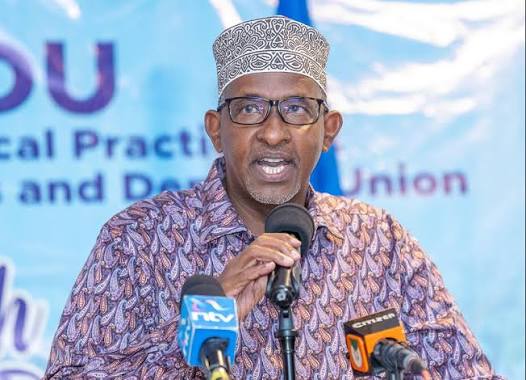
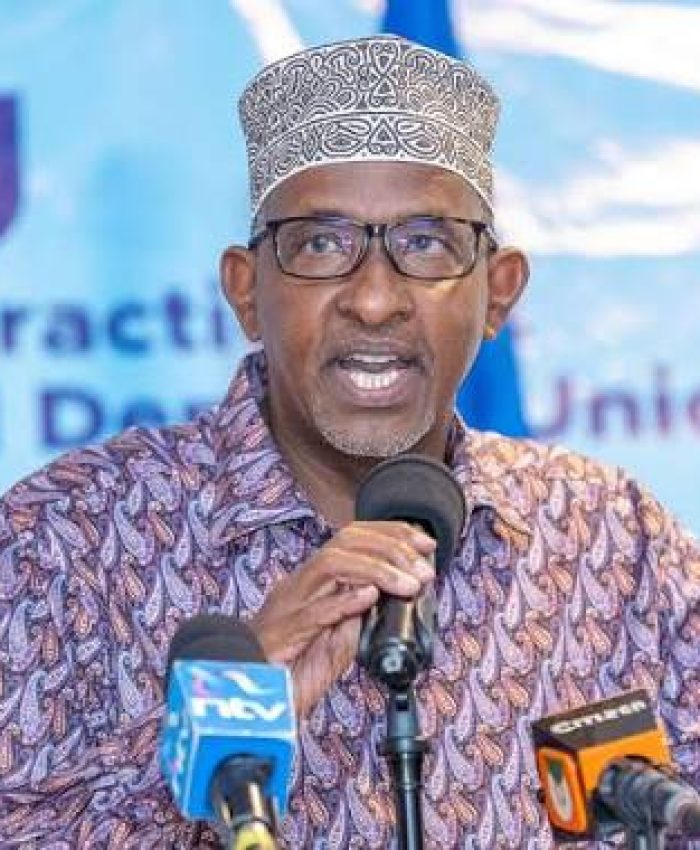
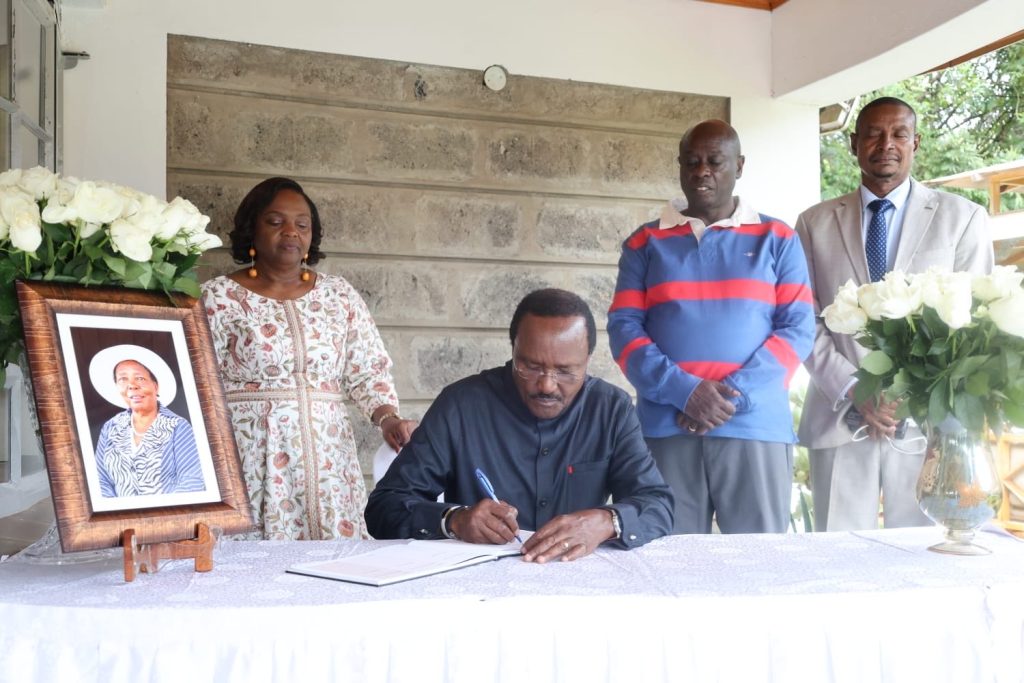
Kalonzo arrived with a delegation from the Wiper Patriotic Front that included Deputy Party Leader Mohamed Ali, Danson Mwashako, Eng. Thaddeus Nzambia, Musili Mawathe and Irene Kasalu. His condolence message was warm and deeply personal. “My brother Rigathi Gachagua, Reverend Dorcas Rigathi and the entire Gachagua family, be encouraged by the words of our Lord Jesus Christ in Matthew 5:4: ‘Blessed are they that mourn, for they shall be comforted,'” Kalonzo said. “May you find comfort in knowing that her 77 years of life were a blessing to her family and all who knew her.”
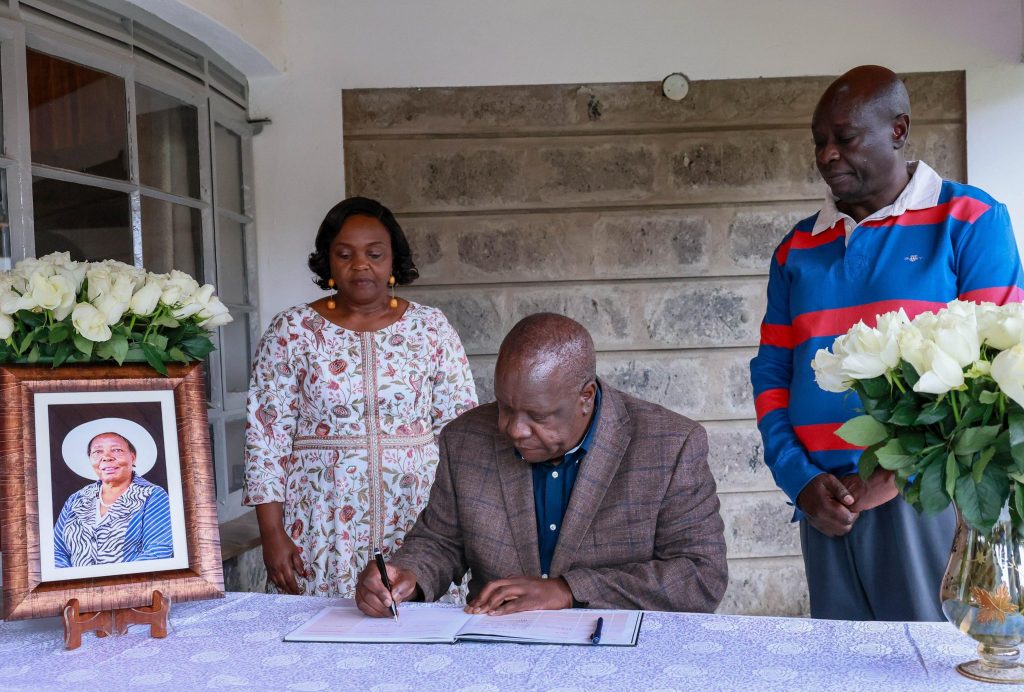
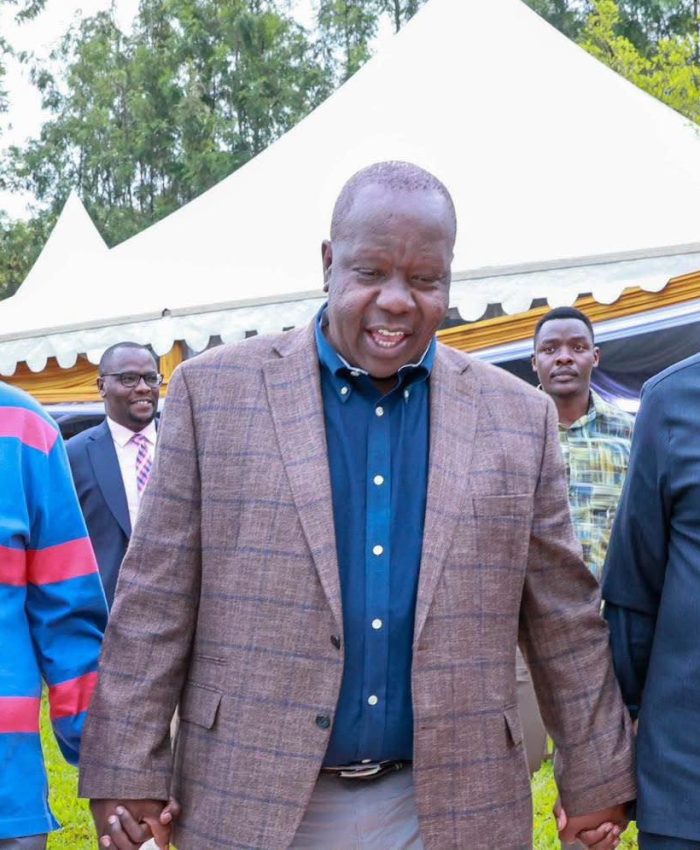
Matiang’i arrived separately, accompanied by members of the Jubilee Party National Executive Committee. His message struck a tone of fraternal solidarity between men who have navigated Kenya’s brutal political terrain from different vantage points. “In moments of grief, the bonds of friendship, family and shared humanity remind us of the importance of standing with one another,” Matiang’i said. “We continue to hold the Gachagua family in our thoughts and prayers during this difficult time.”
Among those in Matiang’i’s delegation was Geoffrey Mosiria, who is pursuing the Nairobi gubernatorial seat and who used the visit to signal his alignment with the emerging opposition constellation. Mosiria said Gachagua had personally encouraged him to press forward with his bid, framing the Nairobi race as part of a broader effort to dismantle what the opposition characterises as a failed administration. “I am committed to working closely with Gachagua, Matiang’i, Kalonzo and Senator Edwin Sifuna towards a common vision of reclaiming our country and restoring effective leadership in Nairobi,” Mosiria said.
The language in those remarks — reclaiming, restoring, repossessing — is not grief language. It is campaign language, and its appearance in a condolence statement reflects the degree to which Kenyan political figures struggle, and perhaps no longer try, to separate the personal from the political. The visit was genuine. The grief expressed was real. But the conversation that reportedly accompanied it — about unity, shared purpose and the road to 2027 — was equally real, and arguably the more consequential part of the encounter.
Gachagua’s political resurrection has been one of the more remarkable stories of the past year. Impeached as Deputy President in October 2024 in circumstances his supporters continue to contest, he has since built the Democracy for the Citizens Party, toured the Kenyan diaspora in the United States and cultivated relationships across a broad swathe of the opposition. His sister’s death has, in a painful irony, provided a moment of convergence that formal political summits rarely manage to produce. When leaders come to your home in sorrow, the conversations they have there tend to carry a different quality of candour.
The political arithmetic being assembled around Gachagua is complex but increasingly legible. Kalonzo brings Ukambani and a national profile built over decades. Matiang’i brings credibility among the Kikuyu political establishment and a reformist reputation that survived the turbulence of the Kenyatta administration. Sifuna, whose name appeared in Mosiria’s remarks, anchors the formation’s connections into Western Kenya. Together, they represent a coalition that, if it holds, would present a formidable challenge to President William Ruto’s Broad-Based Government heading into August 2027.
Whether it holds is the question that will define the next nine months of Kenyan politics. Opposition coalitions in this country have a well-documented tendency to fracture under the weight of competing presidential ambitions, constituency pressures and the perennial temptation of negotiated accommodation with the incumbent. Gachagua himself has not formally declared a presidential bid, though few serious political analysts doubt that one is coming. How the other figures in this emerging formation respond to that declaration, when it arrives, will reveal the true depth of the solidarity on display in Karen this week.
For now, the family is grieving. Eunice Nyangari Gachagua, described by those who knew her as a woman whose life was a quiet blessing to her family and community, was buried with the kind of dignity her years deserved. Her brother, who has known extraordinary political turbulence in a short span of time, received the condolences of men who are simultaneously his allies, his rivals and his potential partners in what promises to be a defining electoral contest.
In Kenya, the line between mourning and mobilising has always been thin. This week, it was thinner than most.
Similar Posts by The Mt Kenya Times:
- Rising Stars strike late to sink Ivory Coast and edge closer to Olympics dream
- The theatre of déjà vu: Pochettino dreams again at Old Trafford
- Kenya’s Ebola battle: Is the country finally winning the fight against the deadly virus?
- Education is the key to a brighter future
- Laikipia University: A centre of learning, opportunity and growth