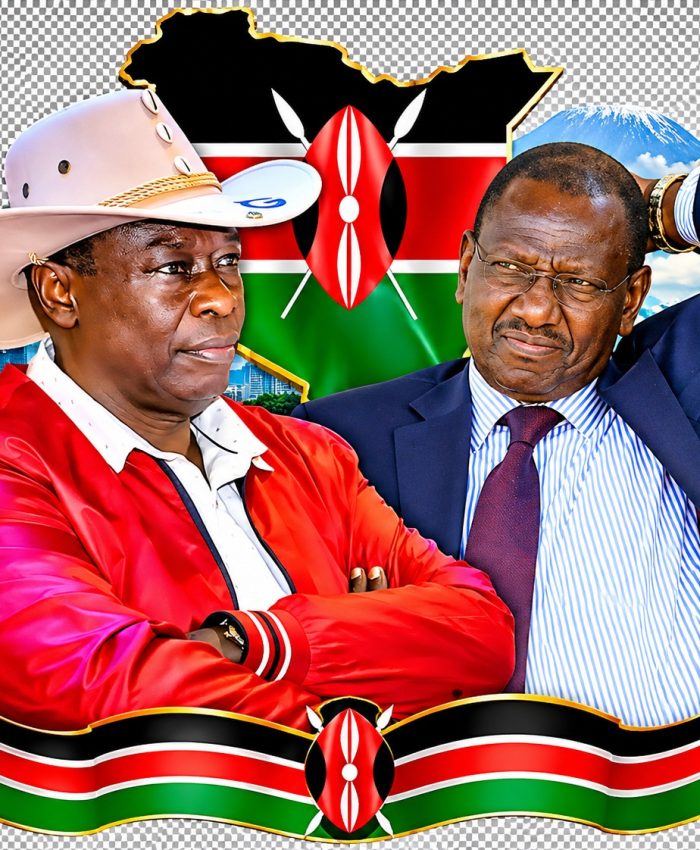
President William Ruto dismisses the emerging Gachagua-Kalonzo-Matiang’i coalition as political theatre, but the opposition’s weekend reconciliation signals a gathering storm ahead of August 2027.
By James Mwangi
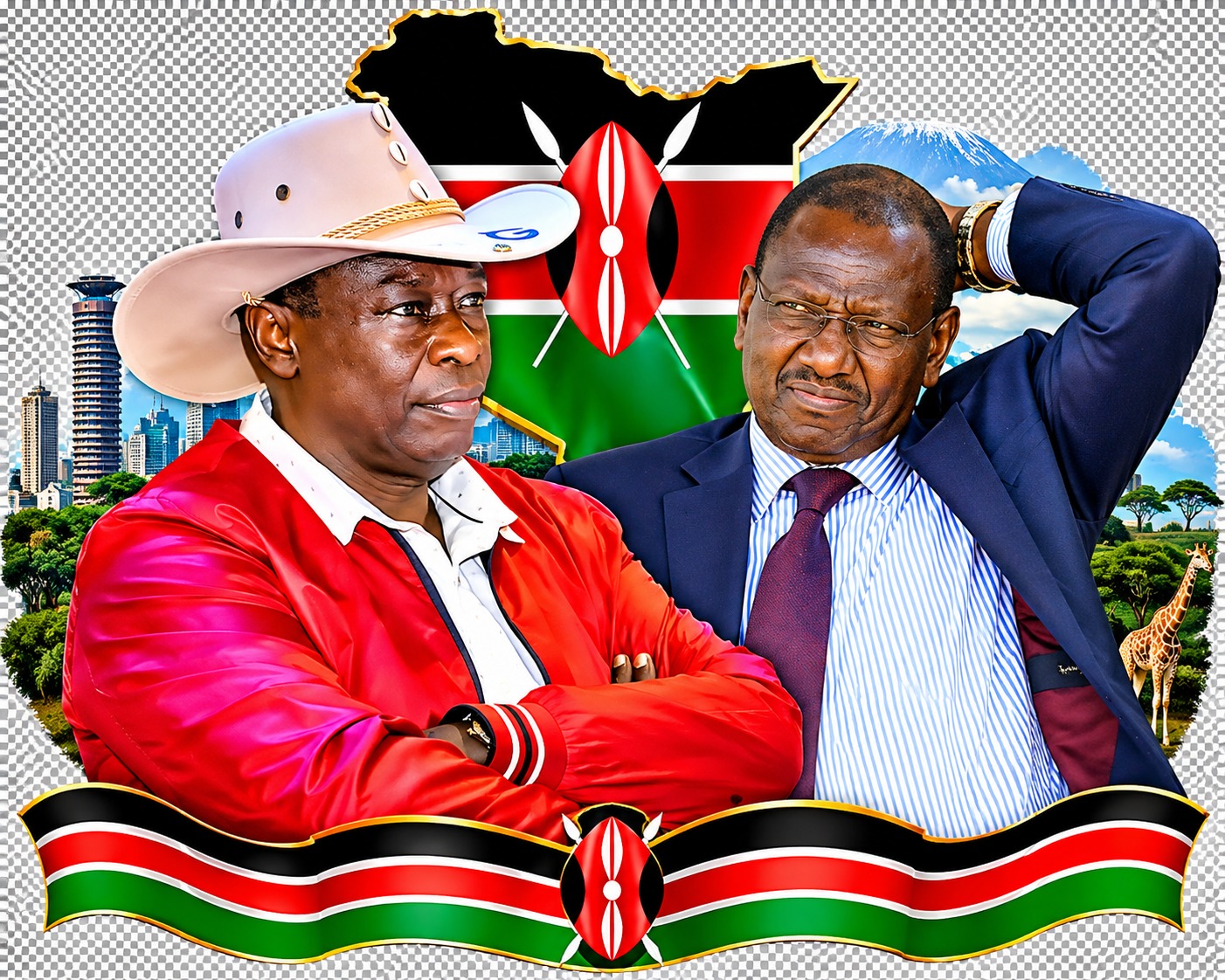
President William Ruto yesterday hit back at former Deputy President Rigathi Gachagua, Wiper Democratic Movement leader Kalonzo Musyoka and former Interior Cabinet Secretary Fred Matiang’i, ridiculing their coalition negotiations as an insult to Kenyan voters and dismissing claims that any politician could carry millions of votes in their pocket.
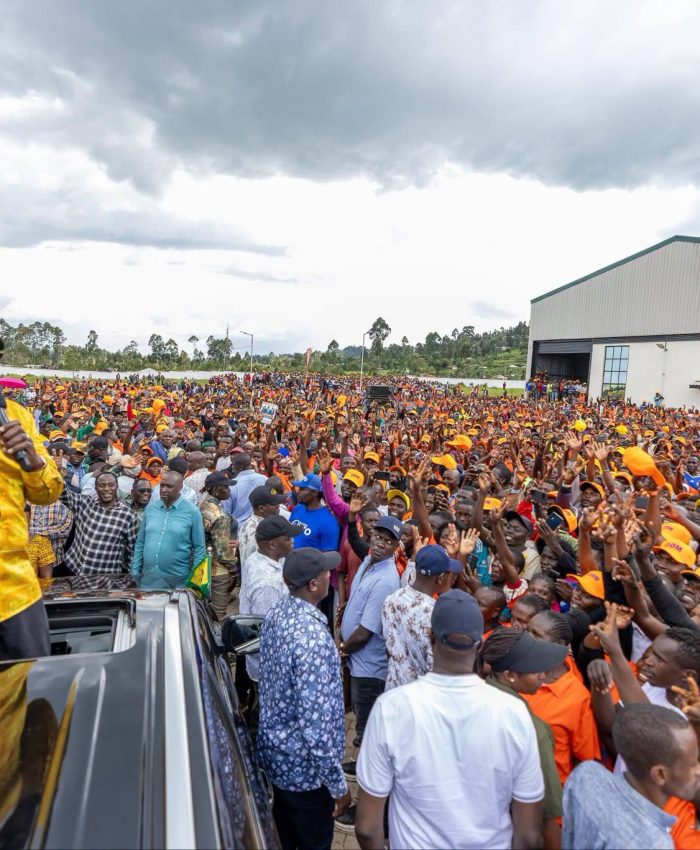
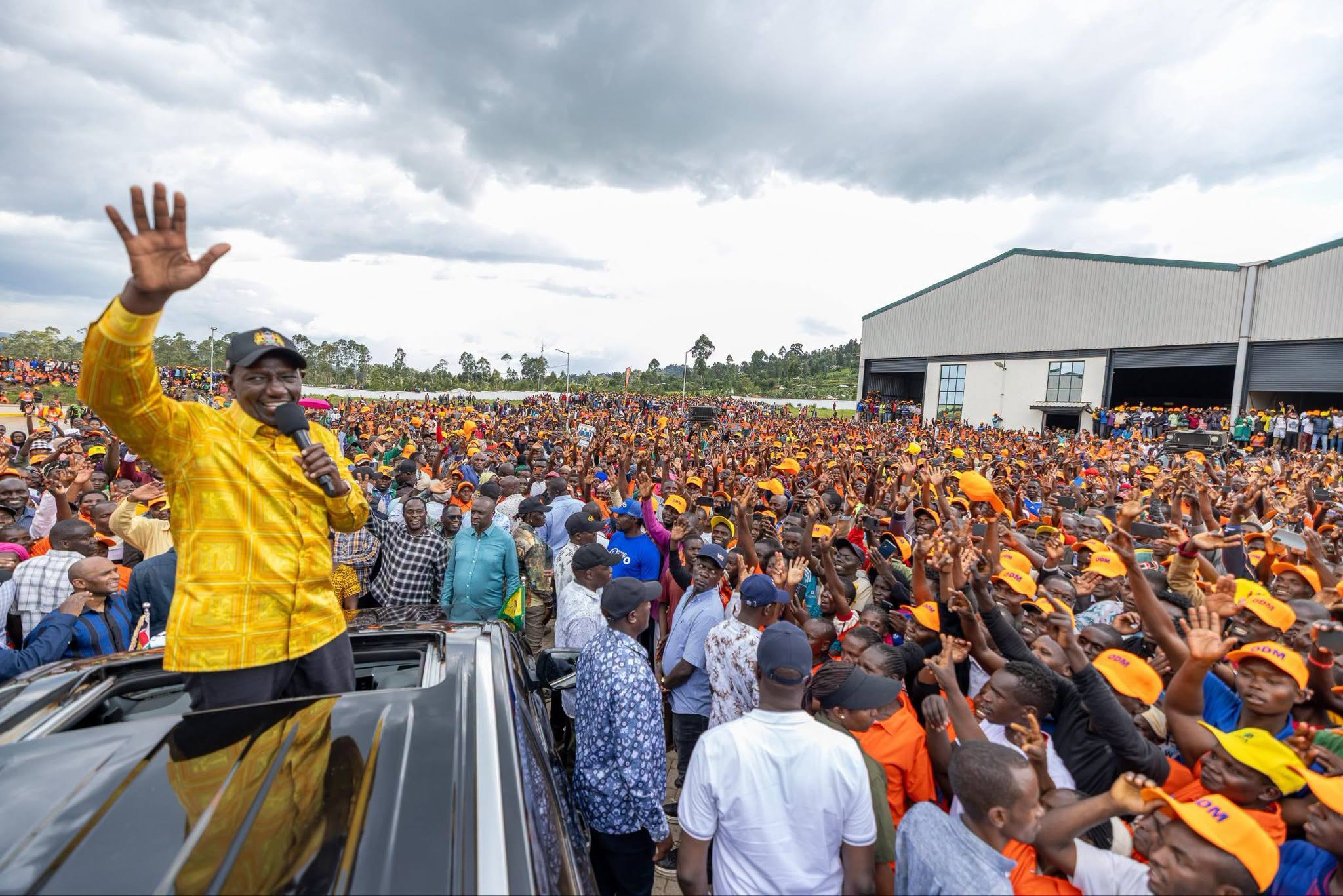
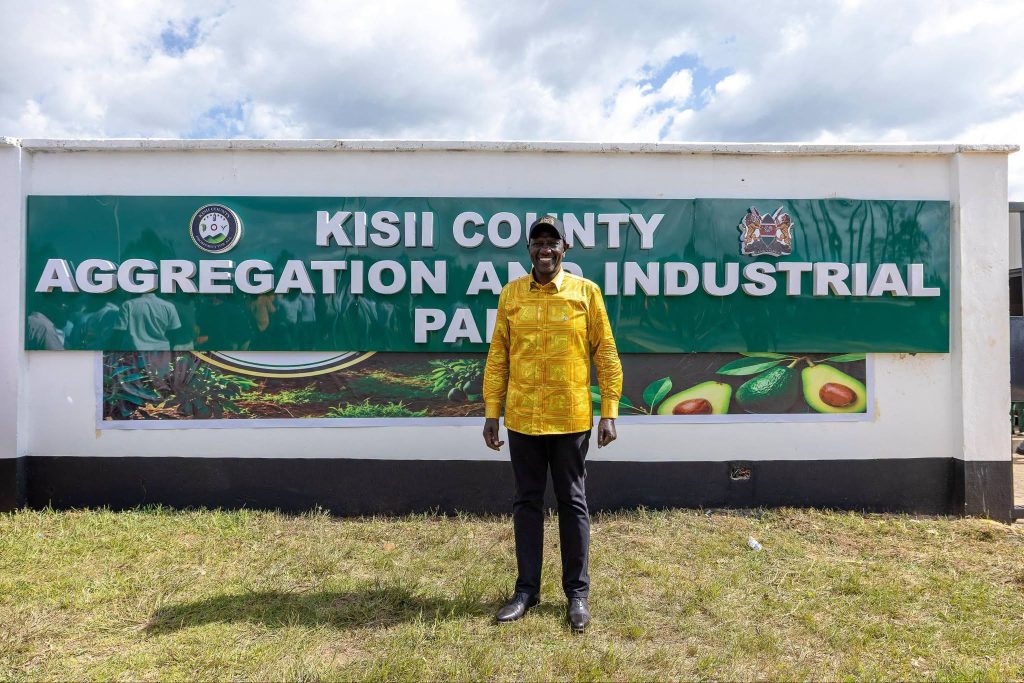
The President’s remarks, delivered during a development tour of the Gusii region, were his most direct public response yet to the accelerating opposition project that now poses the most credible structural threat to his re-election. They were also, in their own way, a measure of how seriously State House is taking what had previously been dismissed as a loose gathering of political losers.
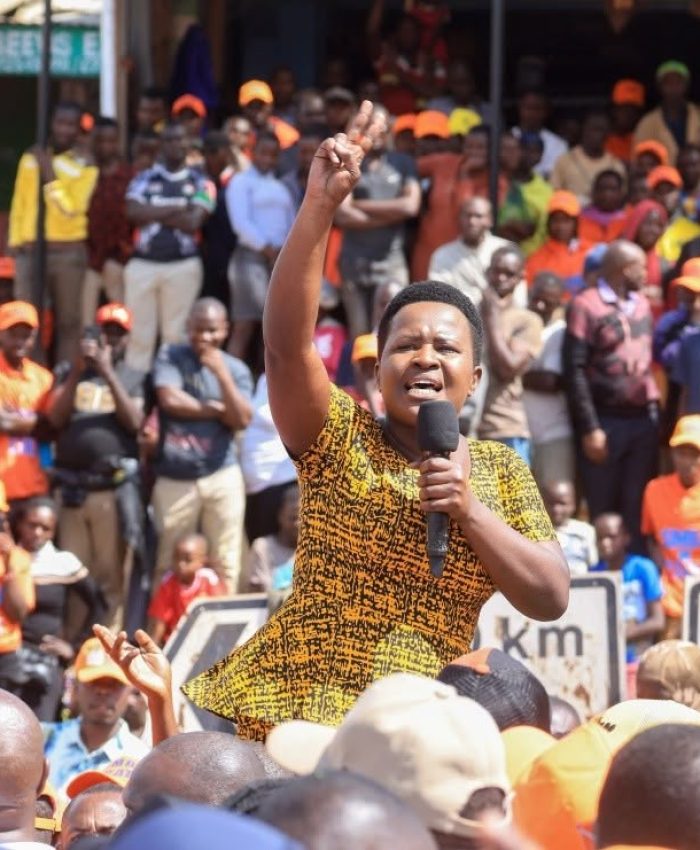
“I hear three people called a meeting and talked about, ‘I have a bag of 10 million votes,’ and another said, ‘I have a bag of 3 million votes,'” Ruto told the crowd, his tone mixing mockery with genuine indignation. “Do you think Kenyans are so gullible that you can walk around claiming to carry their votes? Please, my friends, respect Kenyans, even if only a little. Stop despising them by talking about walking around with their votes.”
The speech was timed with characteristic political precision. Two days earlier, on Saturday 7 November, Gachagua, Kalonzo and Matiang’i had sat down in Nairobi in a meeting convened largely at Kalonzo’s initiative, aimed at cooling tensions that had threatened to fracture the opposition before it had properly formed. The meeting was not a minor internal disagreement being managed behind closed doors. It was a crisis summit — and the fact that it needed to happen at all revealed both the ambition and the fragility of the coalition Ruto’s former deputy is trying to build.
The fault line runs between Gachagua and Matiang’i, and it is not merely personal. It is strategic. Gachagua has been explicit and unapologetic about his transactional vision of coalition politics: each leader must bring demonstrable voter numbers to the table before claiming a share of the presidential ticket. He has assigned himself the Mount Kenya bloc — which he estimates at roughly 10 million votes — and allocated targets to his partners: three million for Kalonzo from Lower Eastern, and between four million and five million for Nairobi Senator Edwin Sifuna from his Western alliance networks. The model is cold-eyed and arithmetical, designed to ensure that the coalition’s eventual presidential candidate is chosen on the basis of proven mobilisation capacity rather than political seniority or historical entitlement.
Matiang’i has pushed back against precisely that logic. His argument is that coalition-building in a country as politically complex as Kenya requires accommodation, not scorecards — that demanding numerical proof of voter loyalty before granting a seat at the table risks alienating precisely the leaders whose networks the opposition needs. It is a reasonable political argument. It is also, critics within the DCP camp would note, the argument most likely to be made by someone who is uncertain whether his own numbers would pass Gachagua’s audit.
Kalonzo, whose experience of coalition negotiations stretches back across multiple electoral cycles, stepped into the breach with the instincts of a seasoned mediator. The Saturday meeting appeared, at least outwardly, to produce a truce. Matiang’i posted photographs of the three leaders on social media with the caption: “Brothers will always put Kenya first.” The following day, addressing a church congregation in Naro Moru, Nyeri County, he went further: “As the opposition, we may have our differences, just like any household. But we know Kenyans want us united, and I assure you, we will build an unbeatable team, united in purpose and ready to deliver victory with military precision.”
The imagery of military precision was striking — deliberate, almost certainly, from a man whose career has been defined by security and institutional authority. It was aimed not at the congregation in Naro Moru but at the broader Mount Kenya electorate, signalling that Matiang’i understands the assignment even if he and Gachagua continue to disagree about the route.
Ruto’s response — swift, public and geographically chosen — tells its own story. The Gusii region, covering Kisii and Nyamira counties, is a classic swing zone. It voted broadly for Kenya Kwanza in 2022 but has been a target of intense opposition courtship, partly because Gachagua has claimed, with some credibility, that the government has underserved it. By travelling to Gusii immediately after the opposition’s weekend summit, Ruto was sending a message: I am here, I am visible, and I will not cede this ground without a fight.
His dismissal of the vote-counting framework as disrespectful to Kenyans was rhetorically effective but substantively selective. Politicians have always traded in voter blocs. The language of ethnic arithmetic is as old as multiparty democracy in Kenya. What Ruto objected to was not the practice but the transparency — the opposition’s unusually open acknowledgement of the transactional bargaining that normally happens behind closed doors. In exposing it, Gachagua has forced a conversation about political accountability that cuts both ways.
The deeper question hanging over all of this is whether the coalition will hold. Kenya’s opposition history is littered with promising alliances that collapsed under the weight of competing presidential ambitions, last-minute defections and the irresistible financial pressure applied by incumbents with access to state resources. Ruto’s government will be working every available lever — patronage, prosecution, selective enforcement, targeted investment in swing regions — to thin the coalition before 2027.
What is different this time is the intensity of the personal dimension. Gachagua was not merely a political rival of Ruto’s. He was his deputy, his running mate, the man who helped deliver the Mount Kenya vote that made the presidency possible. His removal through impeachment last year — the first successful impeachment of a deputy president in Kenya’s history — transformed a political relationship into something closer to a vendetta. That changes the calculus. Men who feel they have been wronged do not negotiate or defect as easily as those pursuing purely strategic interests.
Kenya has never voted a sitting president out after a single term. Ruto knows the history. So does Gachagua.
One of them intends to change it.
Similar Posts by The Mt Kenya Times:
- Gachagua to Ruto: You have done ZERO
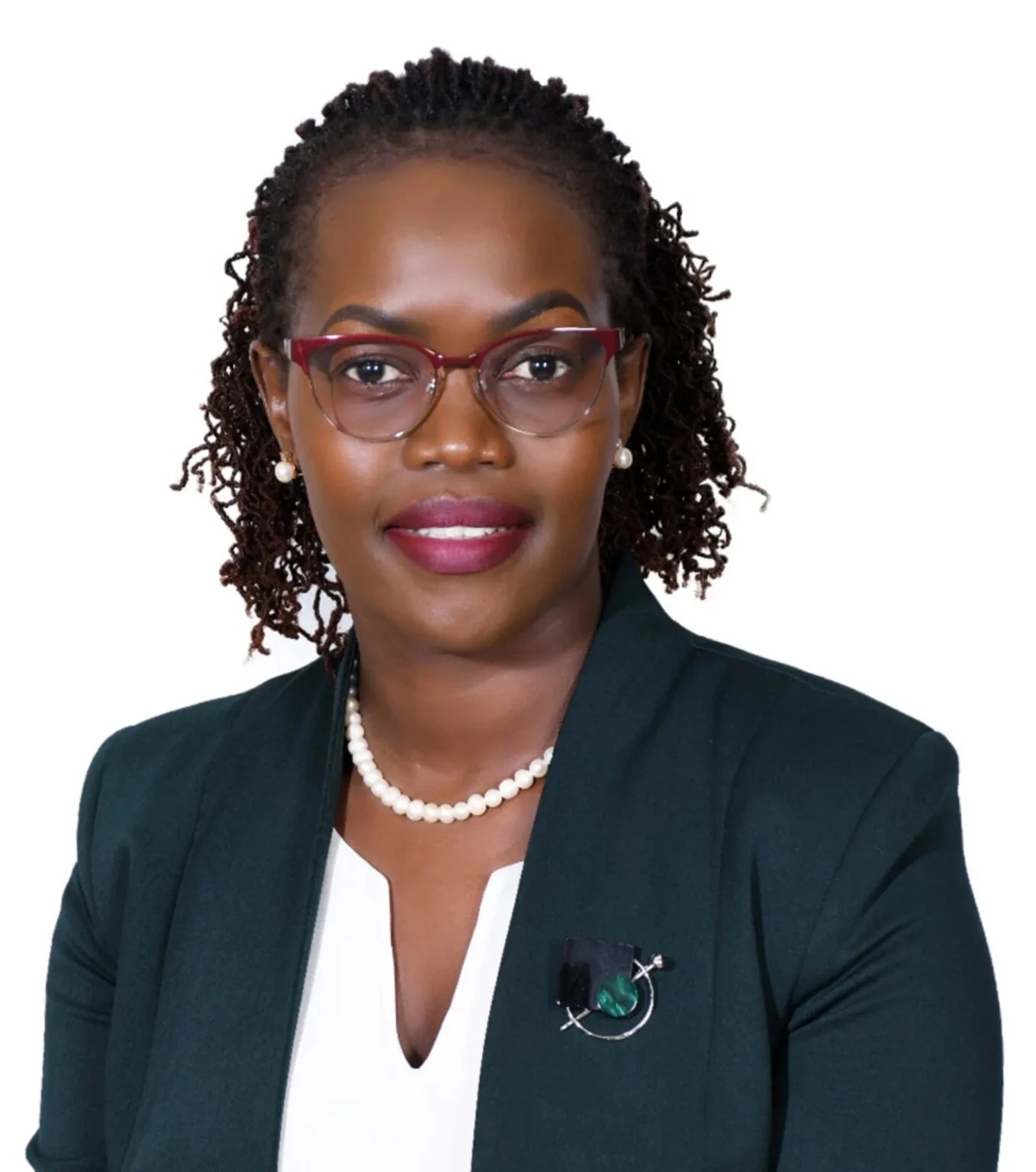
- Ruto nominates Chelagat as Data Commissioner to lead Kenya’s privacy watchdog
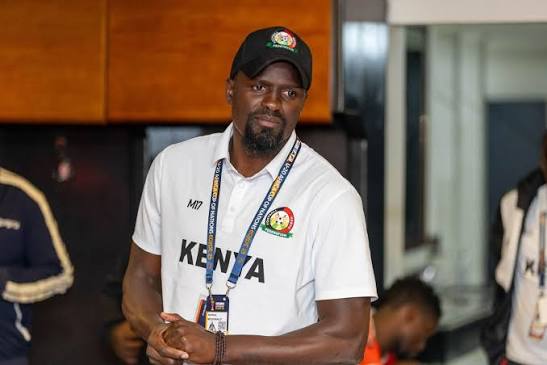
- Mariga vows to fight on after FKF purge at stormy Meru SGM
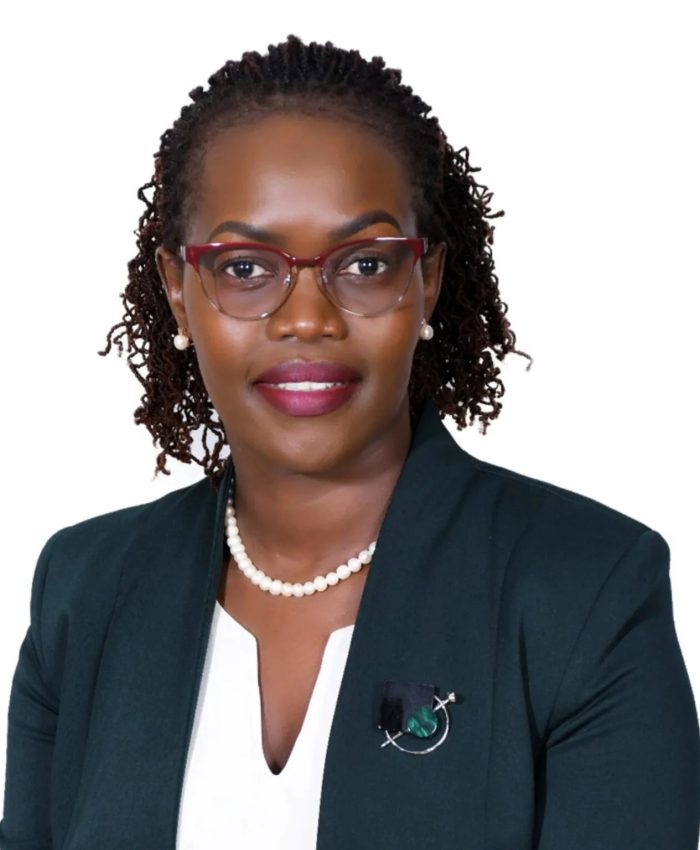
- Essy Okenyuri declares 2027 Kisii Woman Rep bid
- Fuliza lawsuit: Are Kenyan mobile lenders protecting consumers or exploiting their vulnerability?