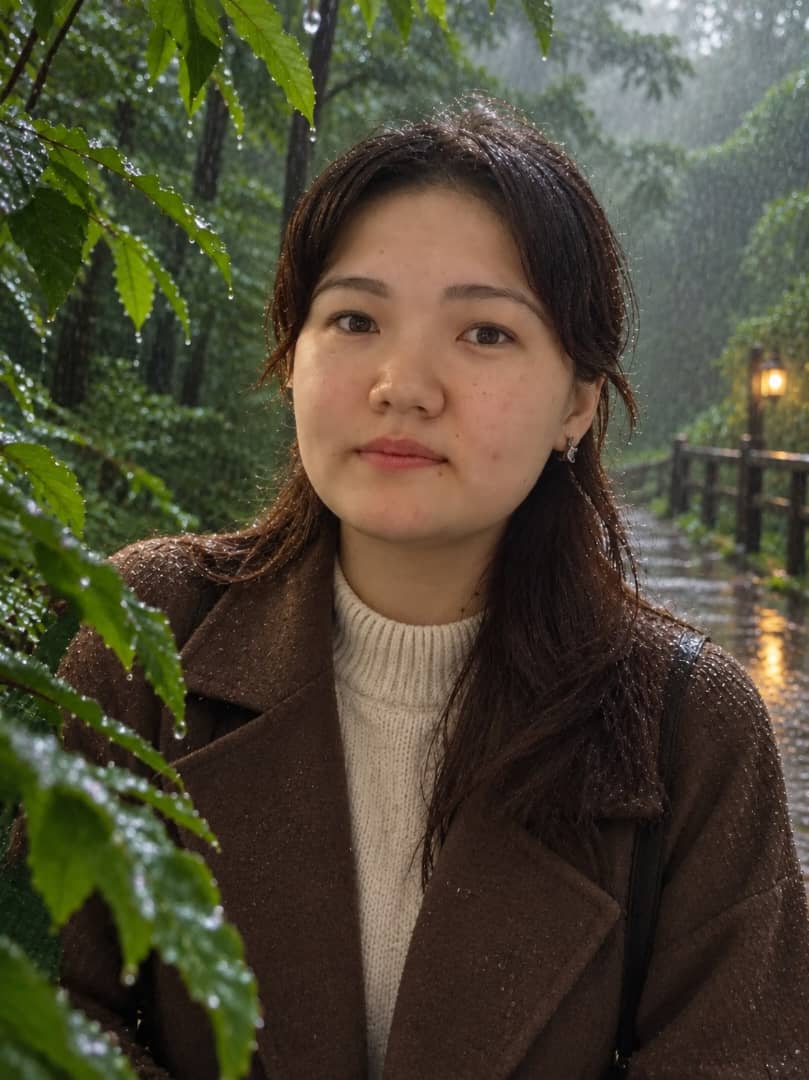
By: Absamatova Iroda
Abstract
This article discusses the problem of water scarcity, which is becoming increasingly relevant in the modern world, its causes, and its environmental, economic, and social consequences. The rational use of water resources, pollution of freshwater sources, climate change, population growth, and the impact of human activities on water reserves are analyzed. Attention is also paid to the importance of water-related problems in the Central Asian region, particularly in Uzbekistan, the tragedy of the Aral Sea, and environmental responsibility towards future generations. The article substantiates the necessity of saving water, protecting water resources, and strengthening international cooperation.
Keywords: Water scarcity, freshwater, environmental problem, climate change, global warming, water resources, Aral Sea, environmental security, sustainable development, water conservation, Central Asia.
Introduction
Water is the beginning of life, an invaluable gift of nature, and one of the most important conditions for the existence of humanity. Human life cannot be imagined without water. Every day, we use it for drinking, preparing food, maintaining cleanliness, agriculture, industry, and many other fields. However, unfortunately, humanity does not always appreciate the value of this resource, which is essential for its existence.
In today’s era of globalization, the world is facing numerous problems. These include climate change, environmental crises, food security, and the depletion of natural resources. Among these problems, water scarcity occupies a special place. This is because water-related problems directly affect not only nature but also human health, the economy, agriculture, social stability, and the future of countries.
According to the United Nations, in 2024, 2.2 billion people worldwide were unable to access safely managed drinking water services. This figure shows that the water problem is not limited to certain regions but is a serious issue facing all humanity.
Therefore, talking about water today means not simply discussing a natural resource, but thinking about the future of humanity, the future of our children, and the fate of our planet.
Main Body
Water Scarcity — A Pressing Problem of the Modern World
Although a large part of the Earth’s surface is covered with water, most of it consists of salt water. Freshwater reserves suitable for human consumption and daily needs are quite limited. A large part of the available freshwater is also located in glaciers and underground layers. For this reason, usable water resources are becoming increasingly important in meeting the needs of the world’s population.
Several factors contribute to the emergence of water scarcity. Firstly, as the world’s population increases, the demand for drinking water and food products also rises. Secondly, large amounts of water are used in industrial enterprises and agriculture. Thirdly, due to climate change, droughts are intensifying in certain regions, and the amount and seasonal distribution of precipitation are changing.
In addition, the pollution of water sources by household waste, industrial wastewater, and chemical substances is further deepening the problem. Most regrettably, in some regions, people are forced to travel long distances to find clean drinking water.
Climate Change and Its Impact on Water Resources
Today, global climate change is recognized as one of the most important causes of water-related problems. Rising temperatures are leading to the melting of glaciers, increased evaporation, and changes in natural phenomena such as droughts and floods.
In particular, glaciers in mountainous regions are the main sources of water for many rivers and streams. The shrinking of glaciers may cause changes in river flows and lead to problems with water supply in the future.
Water scarcity is not limited only to a shortage of drinking water. It also leads to a decline in agricultural productivity, an increase in food prices, and a deterioration in living conditions in certain regions. Thus, climate change and water-related problems are processes that are closely interconnected.
Water Problems and Human Health
Water is vital for the human body. Processes such as metabolism, regulation of body temperature, transportation of nutrients, and elimination of harmful substances take place with the participation of water.
The lack of clean drinking water and the use of contaminated water pose serious risks to human health. Under such conditions, the likelihood of the spread of intestinal infections, diarrhoea, dysentery, hepatitis A, and other infectious diseases increases. Children, elderly people, and individuals with weakened immune systems are particularly more vulnerable to water-related diseases.
From this point of view, the water problem is not only an environmental issue but also an important medical and social issue. Ensuring that every person has access to safe drinking water is necessary for building a healthy society.
Water Problems in Central Asia and Uzbekistan
Water scarcity is also one of the pressing issues for Central Asian countries. In our region, agriculture, people’s livelihoods, and economic development largely depend on the waters of major rivers such as the Amu Darya and the Syr Darya.
Uzbekistan’s geographical location and climatic conditions make the rational use of water resources particularly important. Population growth, the extensive area of irrigated land, water losses during water use, and climate change may create additional pressure on water supplies in the future.
In this regard, the tragedy of the Aral Sea is a particular lesson. During the last century, as a result of the improper and excessive use of water resources, a large part of the Aral Sea gradually dried up. Its consequences had a negative impact not only on nature but also on public health, economic activities, and the social life of the region.
The environmental situation that emerged in the Aral Sea region clearly demonstrates what consequences human attitudes towards nature can lead to. This historical experience shows the necessity of taking long-term interests into account when using water.
Water Conservation — The Duty of Every Person
Solving the water problem is not only the responsibility of governments or large organizations. Every person’s responsibility and daily habits are of great importance in this process.
To save water, first of all, we must put an end to wastefulness in our daily lives. Not leaving taps running unnecessarily, repairing faulty pipes, and following economical methods of water use are simple but effective steps.
The widespread introduction of drip irrigation and sprinkler irrigation technologies in agriculture, reducing water losses, and treating and reusing wastewater are also important. Natural resources can be protected by using modern water-saving technologies in industrial enterprises.
Most importantly, it is necessary to develop environmental awareness among the younger generation. This is because the generation that learns to appreciate water today will build a society that treats nature responsibly tomorrow.
Water — A Factor of Cooperation and Peace
Water sources often flow through the territories of several countries. For this reason, cooperation between countries is of great importance in the use of rivers and other transboundary water resources.
In the approaches promoted by the United Nations and UNESCO, the fair distribution, protection, and joint management of water resources are considered important conditions for sustainable development.
Mutual trust between countries, the exchange of scientific information, and the implementation of coordinated environmental policies serve to reduce water-related problems. After all, water should be a resource that unites people for the sake of common interests rather than setting them against one another.
Conclusion
In conclusion, the water problem in the modern world is one of the most serious global problems facing humanity. Water scarcity, pollution of freshwater sources, climate change, and the improper use of natural resources are directly affecting the lives of future generations.
Water is not an ordinary natural resource, but the foundation of life, health, development, and peace. Protecting it is not only a necessity of today but also our responsibility towards future generations. Every person should consider saving water their daily duty and contribute to the development of environmental awareness in society.
If we appreciate the value of a single drop of water today, we may save an entire life tomorrow. Indeed, in the future, humanity’s greatest wealth may not be gold or other material possessions, but clean drinking water. Therefore, valuing water, protecting it, and using it rationally are the human duties of each of us.
Protecting water means protecting life!
Absamatova Iroda Kamoliddin qizi is a third-year student majoring in Pediatrics at the Fergana Branch of Tashkent State Technical University. She has a strong interest in conducting scientific research, exploring modern advancements in medicine, and writing scientific articles. She is committed to continuously expanding her knowledge and abilities while striving for academic and professional development.
TTATF, Faculty of Pediatrics, Pediatrics Programme, Group 302-A Student
Similar Posts by The Mt Kenya Times:
- Diaspora Times Global Nov 14 – Nov 20, 2026
- Israel’s post-election crisis: Netanyahu and Eisenkot clash over national unity government as nuclear threat looms
- IsiDonodono wins double awards in a landmark week for isiNdebele literature
- Mahlangu turns 91: A legacy of resilience, art and grace in Mpumalanga
- The role of artificial intelligence in the modern world