Kiarie eyes third term: Dagoretti South MP builds his case on delivery
 The Mt Kenya Times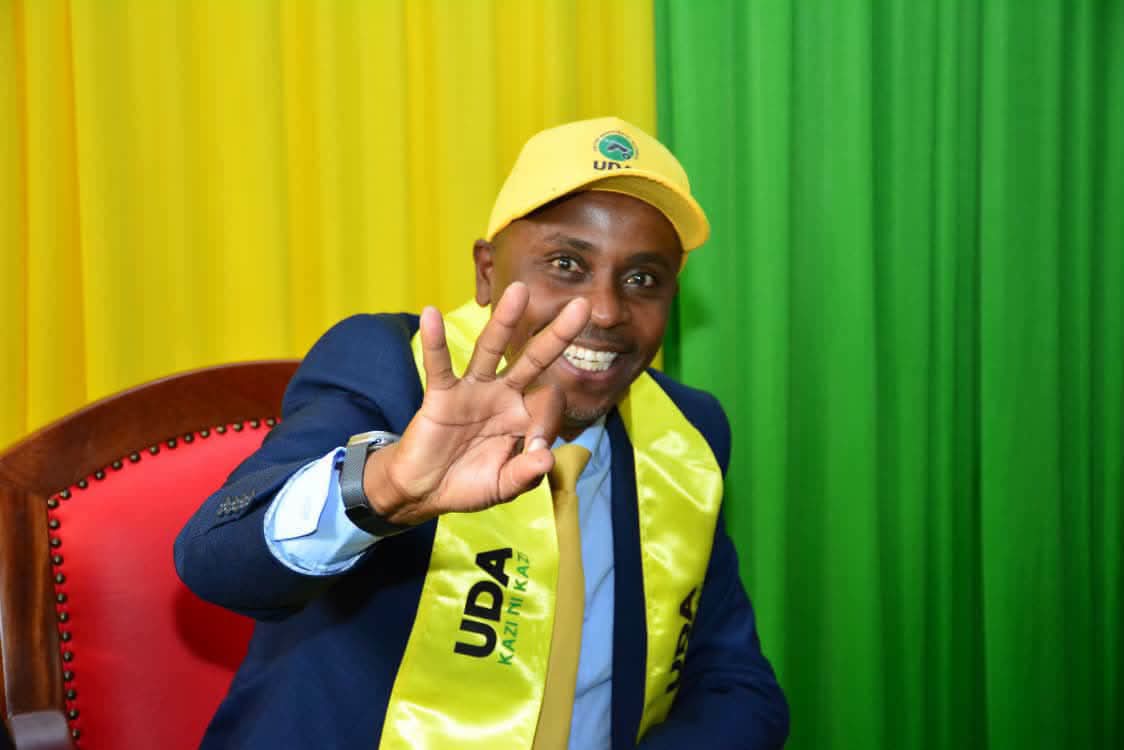
Dagoretti South Member of Parliament John Kiarie
As 2027 approaches, the two-term legislator is staking his political future on a record he says can withstand scrutiny
By John Kariuki
Dagoretti South Member of Parliament John Kiarie is building his case for a third term around a straightforward message: track record, delivery, and accountability.
As the 2027 General Election draws closer, Kiarie is framing his continued political journey through what he describes as the record of the Kenya Kwanza administration and the work being carried out by the United Democratic Alliance. That message was at the centre of a recent engagement with Nairobi UDA constituency and ward elected leaders — including chairpersons, vice-chairpersons, secretaries, and treasurers — ahead of grassroots officials’ meetings.
Drawing on the maxim “He who wishes to put the world in order must first put his own house in order,” Kiarie told attendees that the governing party would return to the electorate with a record it could place before Kenyans for scrutiny.
“As UDA goes back to the electorate, we will have a track record of delivery,” he said.
For Kiarie, the argument extends beyond individual political personalities to the broader question of whether parties can demonstrate what they have done with the mandate entrusted to them.
“Parties are not just political election vehicles. UDA has a manifesto and a report card to show,” he said.
Kiarie has represented Dagoretti South since 2017 and is currently serving his second consecutive term. His parliamentary role has also expanded well beyond constituency work. He chairs the National Assembly Departmental Committee on Communication, Information and Innovation, a position that has placed him at the centre of parliamentary oversight on information and communications technology, digital transformation, and innovation. Yesterday, he led committee members during an inspection of projects at Konza Technopolis — a visit he said left the committee encouraged by progress on the ground.
At the constituency level, healthcare infrastructure ranks among the more significant projects associated with Dagoretti South. The Ministry of Defence announced in May last year that it had taken over construction of the Mutuini Sub-District Level IV Hospital — a project intended to transform the facility from an existing 36-bed maternity wing into a fully equipped 400-bed hospital and, ultimately, a Level V facility. Kiarie received the Defence Principal Secretary during a site visit to the project.
The constituency has also continued to receive National Government Constituencies Development Fund allocations. Available NGCDF data shows approved allocations of KSh192.6 million for the 2025/26 financial year, KSh179.7 million for 2024/25, KSh175.4 million for 2023/24, and KSh145.1 million for 2022/23. These figures represent approved allocations rather than confirmed expenditure.
Beyond Dagoretti South, Kiarie has increasingly used his parliamentary platform to advocate for the government’s wider development agenda. He has defended investments in digital infrastructure and innovation, arguing that projects such as Konza Technopolis and digital innovation hubs form part of a broader national transformation agenda.
He has also been vocal in defending the Kenya Kwanza administration’s overall record. In a recent address, he argued that the administration had accelerated development and cited healthcare, education, debt management, and roads among areas where he believed progress had been made. Those are political claims advanced by Kiarie and should be understood as such.
His current political argument rests on continuity: that voters should assess the governing party and its representatives not only through campaign promises, but through what has actually been implemented.
For a politician who has represented Dagoretti South since 2017, the 2027 contest will also place his own record squarely before the electorate. The emerging third-term narrative is consequently being framed around experience and delivery — with Kiarie seeking to take his case to voters on the basis of a record he says can withstand scrutiny.
As UDA’s grassroots mobilisation gathers pace, his message is unambiguous: the next electoral conversation should be about what has been delivered, what remains unfinished, and what the electorate expects next.
Similar Posts by The Mt Kenya Times:
- Young Kenyans and the digital economy: Opportunity, access, and the road ahead
- Kindiki defends Kenya Kwanza record: Can projects alone define a government?
- Botswanan writer lands in Nairobi: Dr. Otukile visits the country that gave her first break
- Kakuzi birdwatching tour ends in triumph as Japanese royalty sights rare migratory birds
- KSh6.4 million up for grabs as MKU searches for its most impactful alumni
About the Author