The role of phones and social media in the lives of older people

Author: Kurbanbayev Kilichbek Kuchkarovich
Introduction
Today, mobile phones and social media are becoming an increasingly important part of everyday life. This process affects not only young people but also older adults. For an elderly person who does not have the opportunity to live close to their children, grandchildren, or other relatives, even an ordinary mobile phone can become a means of maintaining affection, communication, and family connections across distance.
In Uzbek society, respect for parents and older people, caring for elderly family members, and maintaining regular communication between parents, children, and grandchildren are deeply rooted cultural values. As children increasingly study or work in other cities and countries, mobile communication has become an important tool for maintaining these traditional family relationships.
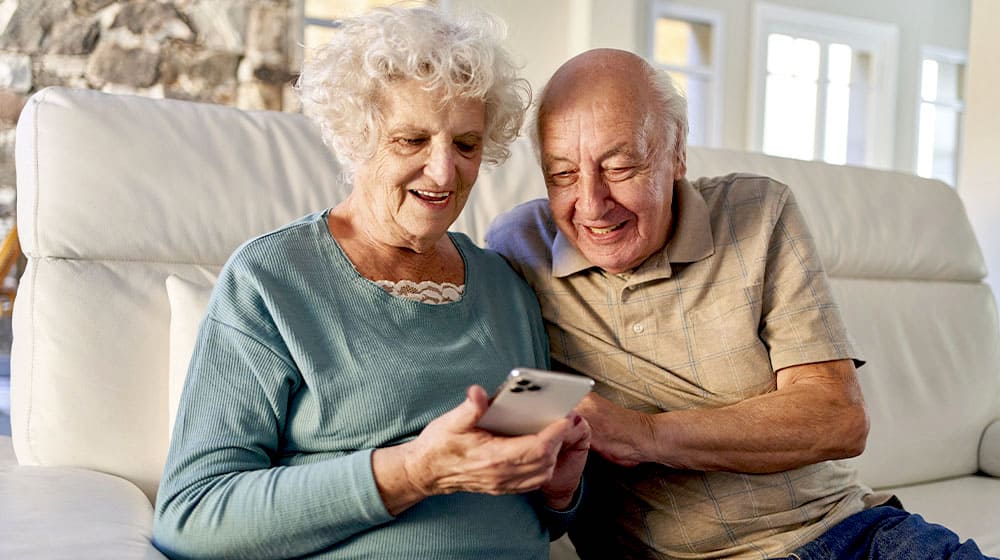
Today, an older person can hear the voice of a child, see a grandchild through a video call, receive family photographs, and participate in family group conversations. In this sense, a mobile phone is not merely a technological device; it can also serve as a means of strengthening social and family connections.
At the same time, the benefits of technology should be considered alongside its potential risks. At an older age, certain changes related to vision, hearing, mobility, and information processing may occur. Therefore, the use of phones and social media should be approached not only from a technological perspective but also from medical, psychological, and social perspectives.
In Uzbekistan, social support for older people is also increasingly organized at the community level. The cooperation of families, mahallas, social services, and healthcare professionals plays an important role in protecting the well-being of elderly citizens.
Main Part
- The Role of Phones and Social Media in the Lives of Older People
Old age is a natural stage of human life during which certain changes may occur in a person’s social environment. Retirement, reduced daily interaction with colleagues and friends, the establishment of separate households by adult children, or living in another region can affect an older person’s everyday social life.
In Uzbek families, however, the lives of older people are traditionally closely connected with their children, grandchildren, relatives, and neighbors. For this reason, the phone can have a much broader meaning for an elderly person than simply being a communication device.
For example, when a child living in another region calls their elderly parent regularly and asks about their health, this simple act can provide considerable emotional support. Seeing photographs and videos of grandchildren and participating in family group conversations can also help older people feel connected to their families.
Through social media, older people can communicate with relatives and friends, receive information about family events, follow community news, and find materials related to their interests.
Digital services are also creating new opportunities for older people to access certain social and public services. In Uzbekistan, mechanisms for identifying elderly people in need and providing them with social assistance at the community level have been developed.
Thus, phones and the internet can help older people maintain social connections, communicate with loved ones, and remain informed about important events in their communities.
- Positive Effects of Information Technologies on Older People
The reasonable use of phones and social media can have several positive effects on the lives of older adults.
Strengthening Family Connections
In Uzbek culture, regularly asking about the well-being of one’s parents is considered an important expression of respect and family responsibility. A phone allows these relationships to continue even when family members live far apart.
A simple question such as, “How are you feeling, Mother?” or “Have you taken your medicine, Father?” can have significant emotional value for an elderly person.
Maintaining Communication with Grandchildren
Today, younger generations actively use digital technologies. When older people learn to use video calls, voice messages, and photo sharing, communication between generations can become easier and more frequent.
Technology can therefore help reduce the emotional distance between grandparents and grandchildren who live in different cities or countries.
Greater Access to Information
Older people can use the internet to obtain information about healthy nutrition, physical activity, disease prevention, healthy lifestyles, and healthcare services.
However, medical information requires particular caution. Not every piece of information published on social media is scientifically reliable, and online advice should not automatically be considered a substitute for professional medical consultation.
Maintaining Social Activity
Through phones and social networks, older adults can continue communicating with relatives, friends, former colleagues, and acquaintances. This can be especially important for people who live alone or whose daily social interactions have decreased.
Adapting to Modern Life
Learning to use modern technologies can support older people’s independence in everyday activities. For example, knowing how to find a telephone number, make a video call, use a map, or search for necessary information can make everyday life easier.
- Negative Effects of Phones and Social Media
Although technology offers many benefits, excessive or uncontrolled use can also create certain problems.
Prolonged Screen Exposure
Spending too much time looking at a phone screen can contribute to eye fatigue, discomfort in the neck and shoulders, and reduced physical activity. For older adults, excessive inactivity can negatively affect their overall healthy lifestyle.
Therefore, phone use should not replace walking, household activities, face-to-face conversations, or other forms of physical and social activity.
Disruption of Sleep
Spending a long time using a phone late at night may negatively affect sleep patterns. Regular and adequate sleep is an important component of well-being in older age.
Unreliable Medical Information
Social media contains numerous recommendations about medicines, traditional remedies, diets, and methods of treating diseases. Not all of these claims are scientifically supported.
A treatment that appears to have helped one person may not be safe or appropriate for another. This is particularly important for older people who may take several medications at the same time. Changing, stopping, or adding medication based solely on information found online can be dangerous.
Online Fraud
Older people should also be protected against telephone and internet fraud. Personal information such as bank card details, passwords, and verification codes received by SMS should never be shared with strangers.
In Uzbek families, children and grandchildren can play an important role in helping elderly relatives recognize suspicious messages and phone calls. When an older person receives a suspicious message or call, discussing it with a trusted family member before taking action can provide additional protection.
Reduction in Face-to-Face Communication
Communication through a phone cannot completely replace face-to-face interaction. In Uzbek culture, visiting elderly parents, asking about their well-being in person, sharing a meal, having a conversation, and receiving their blessing are important aspects of family life.
Therefore, making a phone call should not be viewed as a complete substitute for personal attention. Digital communication should complement, rather than replace, genuine human relationships.
- Prevention: Recommendations from Healthcare Professionals for the Use of Social Media
Preventive measures are important in reducing the potential negative effects of excessive or unsafe technology use among older adults.
- Use Phones Purposefully
A phone should not occupy an elderly person’s entire day. It is more beneficial when used for communication, necessary information, educational content, and other meaningful activities.
- Maintain Physical Activity
Older adults should avoid remaining seated with a phone for long periods. Whenever possible, they should take breaks, walk, engage in light physical activity, and maintain an active daily routine.
- Choose Reliable Medical Sources
Health-related information should preferably be obtained from qualified healthcare professionals, medical institutions, and reliable health organizations.
Information found on social media should not be considered a replacement for a medical examination or professional advice.
- Do Not Make Independent Decisions About Medication
Older people should consult a healthcare professional before changing the dosage of a medicine, stopping a prescribed medication, or beginning a new treatment based on information found online.
- Protect Personal Information
Older adults should be taught basic principles of digital security, including:
never sharing SMS verification codes with strangers;
never providing bank card details to unknown individuals;
avoiding suspicious links;
consulting a family member before responding to suspicious messages.
- Support from Family Members
Older people should not be criticized for having difficulty using modern technology. Instead, family members should patiently help them learn.
Children and grandchildren can show elderly relatives how to use important functions and write down simple instructions for future reference. Such support can make technology easier and safer to use.
- Do Not Allow Technology to Replace Affection
One of the most important preventive principles is maintaining real human interaction. Calling an elderly parent is valuable, but visiting them in person, spending time together, listening to them, and receiving their blessing are also important expressions of family care.
In Uzbek culture, the blessing of an elderly person is traditionally regarded as a source of spiritual support and family well-being. Therefore, technology should strengthen these relationships rather than replace them.
- Cooperation Between Communities and Healthcare Professionals
Identifying elderly people who live alone or require additional care and understanding their social and medical needs are important components of prevention.
Cooperation among family members, mahalla representatives, social workers, and healthcare professionals can help ensure that older people receive appropriate assistance.
Therefore, the use of phones and social media by older adults should not be considered merely a personal or technological issue. It is also connected with healthy ageing, social participation, digital safety, and quality of life.
Conclusion
Phones and social media have become important technological tools in the lives of older people, and their impact largely depends on how and for what purposes they are used.
In Uzbekistan, this issue has a particular cultural dimension. Mobile phones often serve as a bridge connecting elderly parents with their children, grandchildren, and relatives. For older people whose children live in another region or abroad, regular phone calls and video conversations can provide meaningful emotional support.
However, digital communication should not replace traditional family relationships. A phone call from a child may bring happiness to an elderly parent, but visiting them in person, sharing time together, listening to them, and receiving their blessing carry their own unique value.
Therefore, instead of completely restricting technology use among older people, it is more appropriate to develop a culture of safe, moderate, purposeful, and beneficial use of phones and social media.
Family members, mahalla communities, social services, and healthcare professionals all have an important role to play in this process. Teaching an older person to use technology means helping them adapt to modern life; teaching them to use it safely means protecting their health, privacy, and well-being.
Most importantly, technology should never replace human warmth.
Let the phone shorten distances, but never let it replace love, attention, and family affection.
About the Author
Kurbanbayev Kilichbek Kuchkarovich was born on May 11, 1986.
From 2013 to 2015, he studied at Tashkent Medical Academy, specializing in “OMX.”
Since 2015, he has been working as a Specialized Subject Teacher at Abu Ali ibn Sino Public Health Technical School in Yangiyer City, Syrdarya Region, Uzbekistan.
His professional activities focus on teaching medical subjects, developing the professional knowledge and practical skills of future healthcare specialists, and promoting knowledge related to public health and healthy lifestyles.
Similar Posts by The Mt Kenya Times:
- Fine Spinners targets Kenya’s US apparel supply chain with $5m investment
- Nuclear energy debate must begin with public trust and shared responsibility
- Kenyans abroad: Is the American dream turning into an immigration nightmare?
- Stress disorder: When the body remains in survival mode
- Mashujaa day must leave more than memories in Uasin Gishu
About the Author