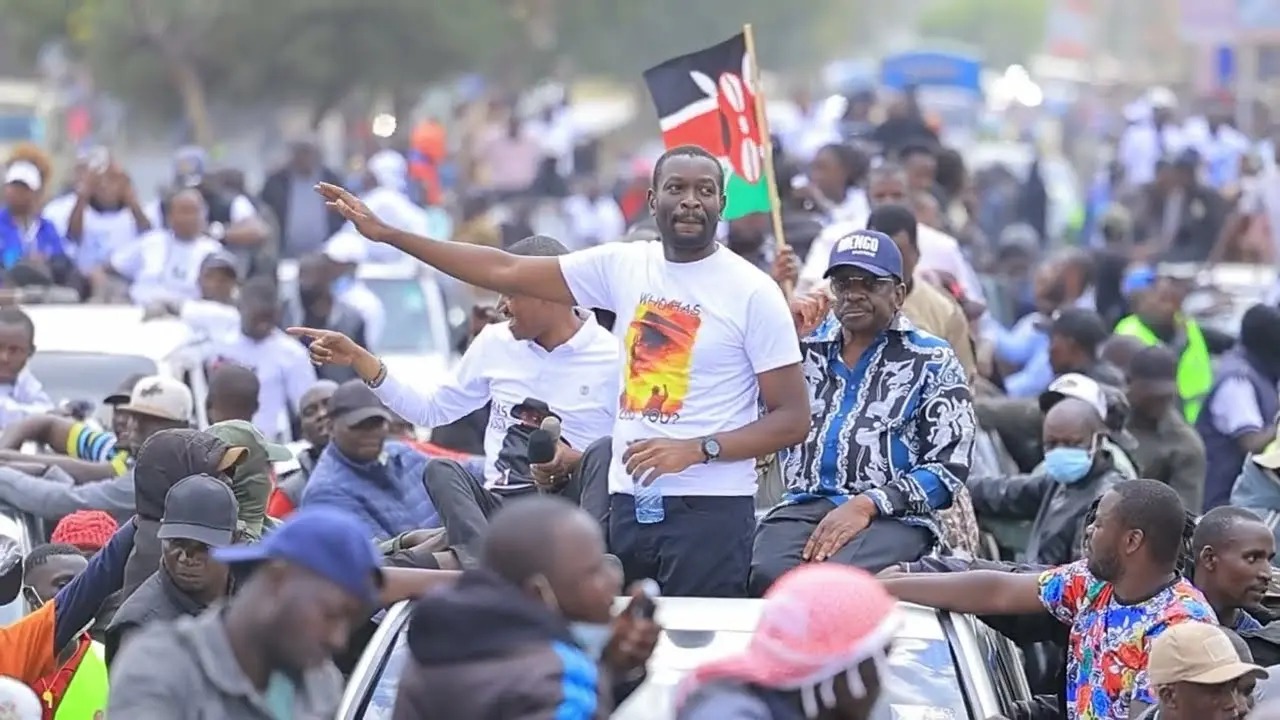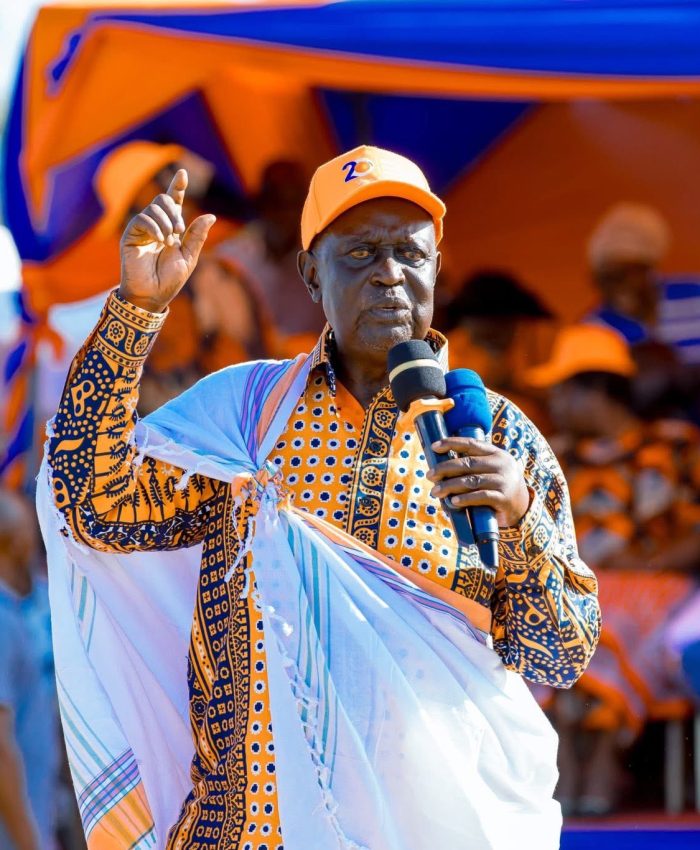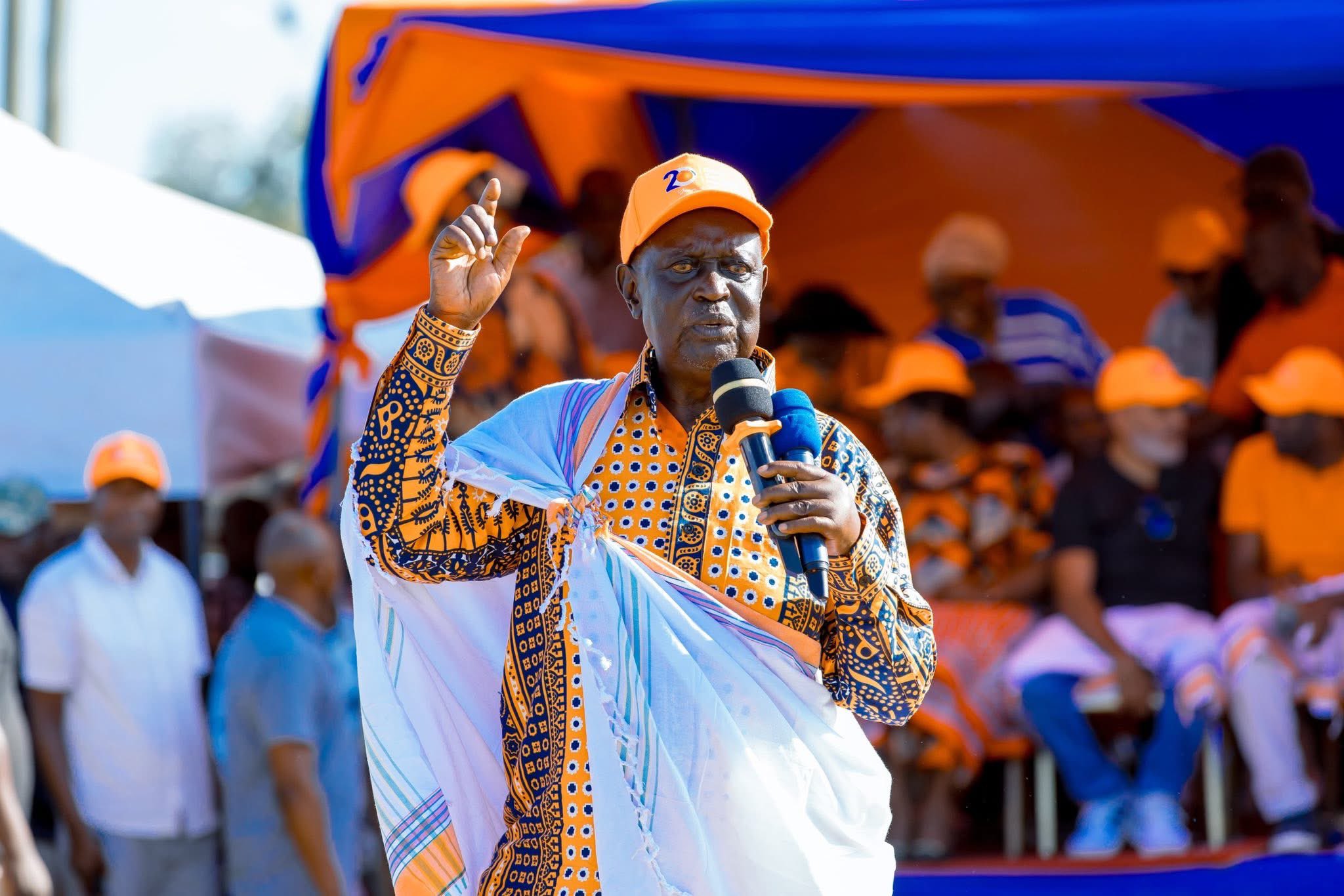
The Siaya Senator received a standing ovation from colleagues as he made his first appearance in the House since travelling to the United Kingdom for medical treatment in September.
By James Mwangi
Siaya Senator Oburu Oginga returned to Parliament yesterday after nearly two months of absence due to illness, receiving a standing ovation from fellow senators as he took his seat in the chamber for the first time since departing for medical treatment in the United Kingdom in September. Oginga, who appeared visibly upbeat during Thursday’s sitting, used his return to deliver a message of political tolerance — urging Kenyans to maintain cordial relationships across political divides even as the country moves into an increasingly competitive pre-election period.
“We can hold opposing political views and still treat one another with respect,” Oginga told the Senate. “Political differences should never be allowed to tear us apart as a people.” The appeal, delivered by one of Kenya’s most experienced legislators to a chamber that received him warmly, carried particular resonance coming from a senator whose own absence had been exploited to spread disinformation about his health and, in some quarters, his survival.
Oginga departed for the United Kingdom on 10 September for what the Orange Democratic Movement described at the time as a routine medical check-up. As weeks passed without a public update, speculation filled the vacuum. Social media accounts circulated claims that the senator had died — a campaign of misinformation that his office and the ODM moved swiftly to counter. In a statement issued on 6 October, the Office of the ODM Party Leader described the claims as “malicious, unfounded fake news and propaganda” and urged the public to rely exclusively on official communication channels. “We wish to assure the general public, members of the Orange Democratic Movement, the people of Siaya County, and the entire nation that Dr Oburu Oginga is well, safe, and in good spirits,” the statement said. Oginga himself subsequently dismissed the rumours directly, saying reports of his death were entirely without foundation.
Yesterday’s return gave the senator an opportunity to address not only his colleagues but the wider public that had followed his absence with concern. He spoke of the period of illness with candour, acknowledging the difficulty of being bedridden while away from the political arena he has inhabited for decades. What sustained him, he said, were the messages of goodwill that poured in from Kenyans across the country — across party lines, across regional boundaries, across the very political divides he was now urging the nation to bridge.
That detail is not incidental. It speaks to something about Oginga’s standing in Kenyan public life that transcends his party affiliation. As the son of Jaramogi Oginga Odinga, the founding father of Kenyan opposition politics, and a veteran legislator whose career spans multiple political eras, Oburu Oginga occupies a place in the national consciousness that is partly personal, partly historical, and partly symbolic. His illness attracted concern from people who may have little in common politically with ODM or with Siaya County. His recovery, and the warmth of his Senate reception yesterday, reflected that breadth.
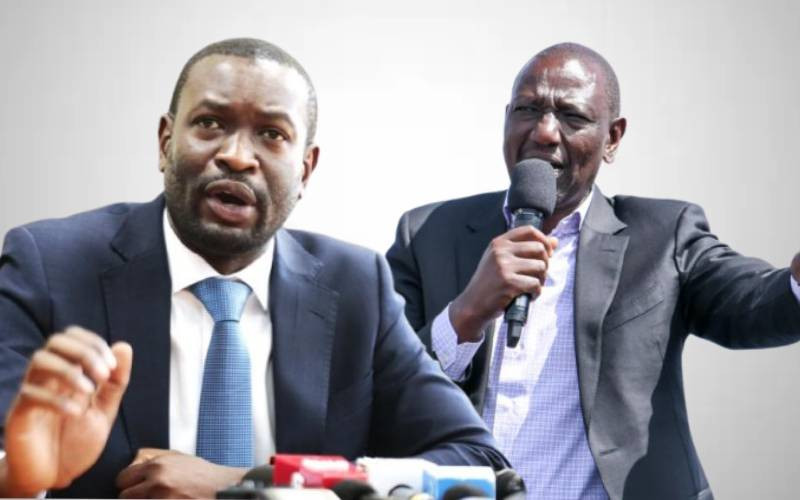
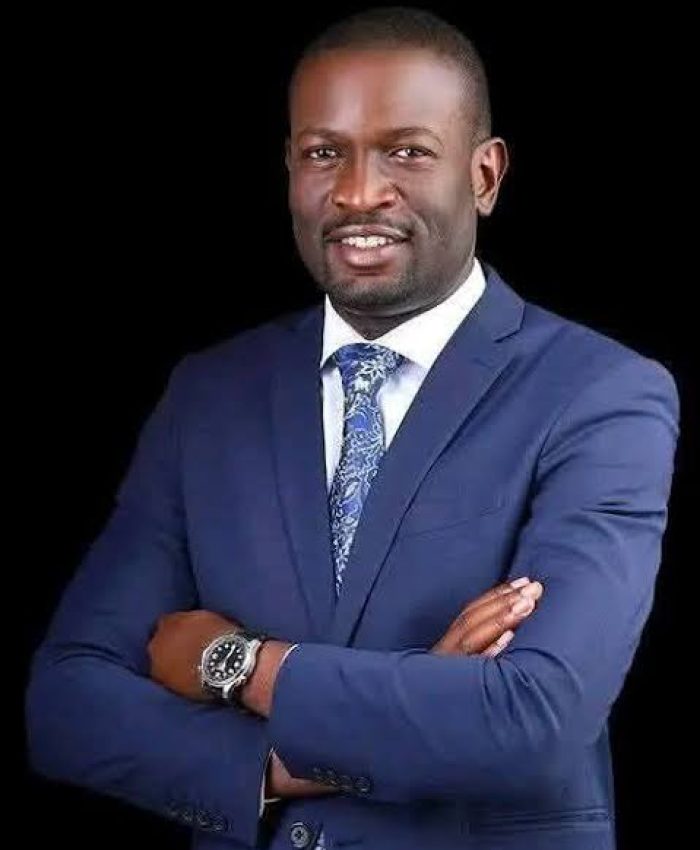
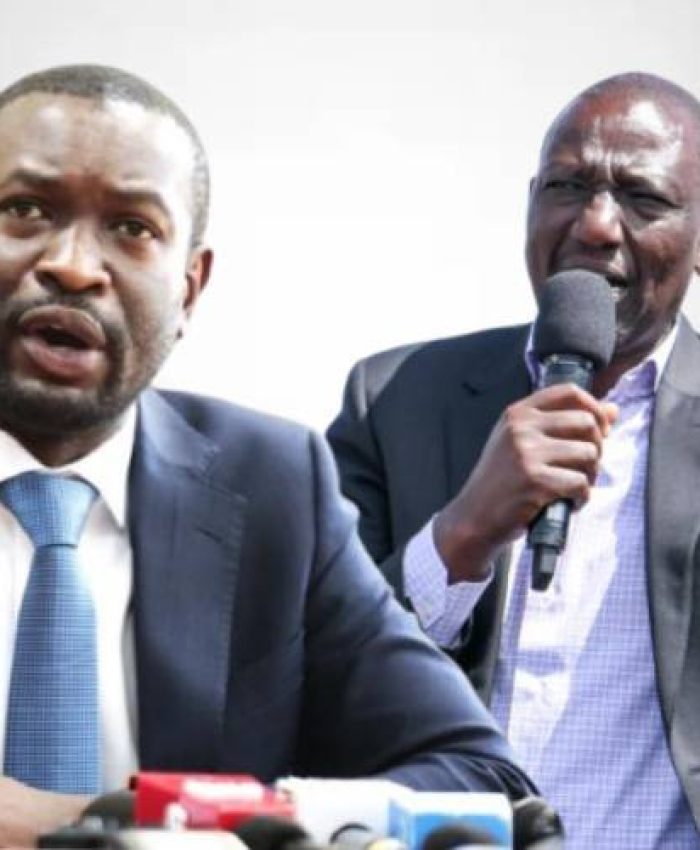
His call for political tolerance, however, arrives at a moment when Kenya’s political temperature is rising rather than falling. With the August 2027 General Election now less than nine months away, the country’s political class is engaged in an increasingly intense process of coalition-building, candidate positioning, and strategic realignment. The TIFA Research poll released this week, which showed President William Ruto and Nairobi Senator Edwin Sifuna tied at 31 per cent each as preferred presidential candidates, underscored how competitive and consequential the coming months will be. ODM itself, the party Oginga serves as a senior figure, has seen its national support rating halved since June — from 20 per cent to ten per cent — as voters redistribute across the reconfigured opposition landscape following the departure of former party leader Raila Odinga from domestic electoral politics.
It is into that landscape that Oginga has returned — a landscape that is simultaneously more fluid and more fraught than the one he left in September. The opposition is attempting to consolidate around multiple candidates, each with their own regional base and strategic calculus. The question of who leads that consolidated front, and on what terms, remains unresolved. Coalition negotiations are active, often fractious, and operating under the pressure of a ticking electoral clock.
Oginga’s voice in those negotiations — measured, historically grounded, and now carrying the particular authority of someone who has faced mortality and chosen to speak about unity — may carry more weight than the transactional calculations of politicians jockeying for position. Whether that voice will be heard above the noise of a presidential race that is already generating considerable heat is another matter.
For now, the Senate stood and applauded. In Kenyan politics, that moment of bipartisan warmth is rarer than it should be — and perhaps more necessary than the participants fully realise.
Similar Posts by The Mt Kenya Times:
- Linda Mwananchi tops Nairobi as TIFA poll reshapes Kenya’s 2027 political map
- Sifuna’s Linda Mwananchi Movement holds closed NDC as 2027 platform takes shape
- Ruto and Sifuna tied at 31% as Kenya’s 2027 race sharpens into a two-horse contest
- Kalonzo takes Kenya’s opposition campaign to Washington ahead of 2027 election
- Missing Nairobi lawyer Abshir Abdi found dumped in Marsabit after eleven days