Eli Lilly’s orforglipron offers a needle-free alternative as China’s obesity crisis deepens and pharmaceutical competition intensifies
By Yvonne Wambui
China has approved its first orally administered GLP-1 weight-loss drug, marking a significant shift in the global obesity treatment landscape and handing American pharmaceutical giant Eli Lilly a potentially decisive edge over its rivals in one of the world’s most consequential health markets.
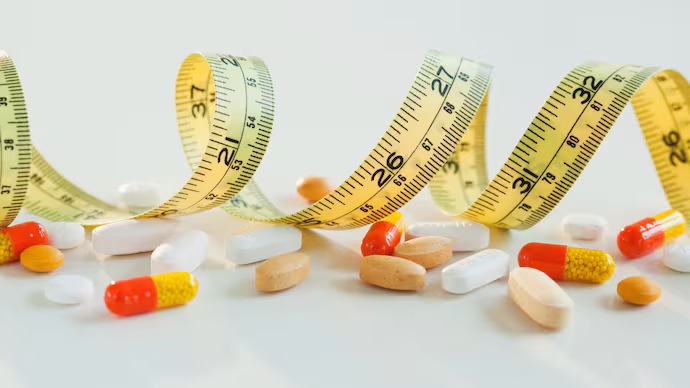
The drug, orforglipron, works by mimicking a natural hormone that regulates blood sugar, slows digestion and suppresses appetite, helping patients feel full for longer and consume less. Unlike the injectable GLP-1 treatments that have dominated the weight-loss market — most notably Novo Nordisk’s Wegovy — orforglipron is taken as a daily pill, removing the barrier of needle-based administration that has deterred a significant proportion of patients from pursuing treatment.
China’s National Medical Products Administration approved the drug for adults living with obesity or those who are overweight and have at least one weight-related health condition. Patients are expected to use it alongside dietary control and increased physical activity rather than as a standalone solution.
The timing is commercially significant. A 2025 study published in The Lancet projected that the number of overweight or obese adults in China could reach 630 million by 2050. China’s own health authorities have warned that more than 65 per cent of the population could be overweight or obese by 2030. For pharmaceutical companies, those figures represent an enormous and largely underpenetrated market.
The approval deals a direct competitive blow to Novo Nordisk, which has been pursuing clearance for its own oral weight-loss medication in China. Eli Lilly’s first-mover advantage in the oral segment could prove difficult to overcome, particularly given patient preference for pill-based treatments over injections.
The broader pharmaceutical industry is watching closely. Orforglipron’s approval signals a new phase in obesity pharmacology — one in which convenience, accessibility and patient compliance become as important as clinical efficacy. If the pill format drives higher uptake, it could accelerate the shift away from injectables across other major markets as well.
Health experts, however, urge caution. GLP-1 medications carry known side effects, including nausea, vomiting and digestive complications, and require medical supervision throughout treatment. Approval marks the beginning of a drug’s public life, not an endorsement for unsupervised use.
For the millions of patients who have avoided treatment because of needle aversion, the pill may finally change the calculation.
Similar Posts by The Mt Kenya Times:
- Diaspora Times Global Nov 14 – Nov 20, 2026
- Israel’s post-election crisis: Netanyahu and Eisenkot clash over national unity government as nuclear threat looms
- IsiDonodono wins double awards in a landmark week for isiNdebele literature
- Mahlangu turns 91: A legacy of resilience, art and grace in Mpumalanga
- The role of artificial intelligence in the modern world