The Shakahola massacre exposes how unchecked religious authority can turn desperate faith into a killing ground.
By Mathew Kipkemboi
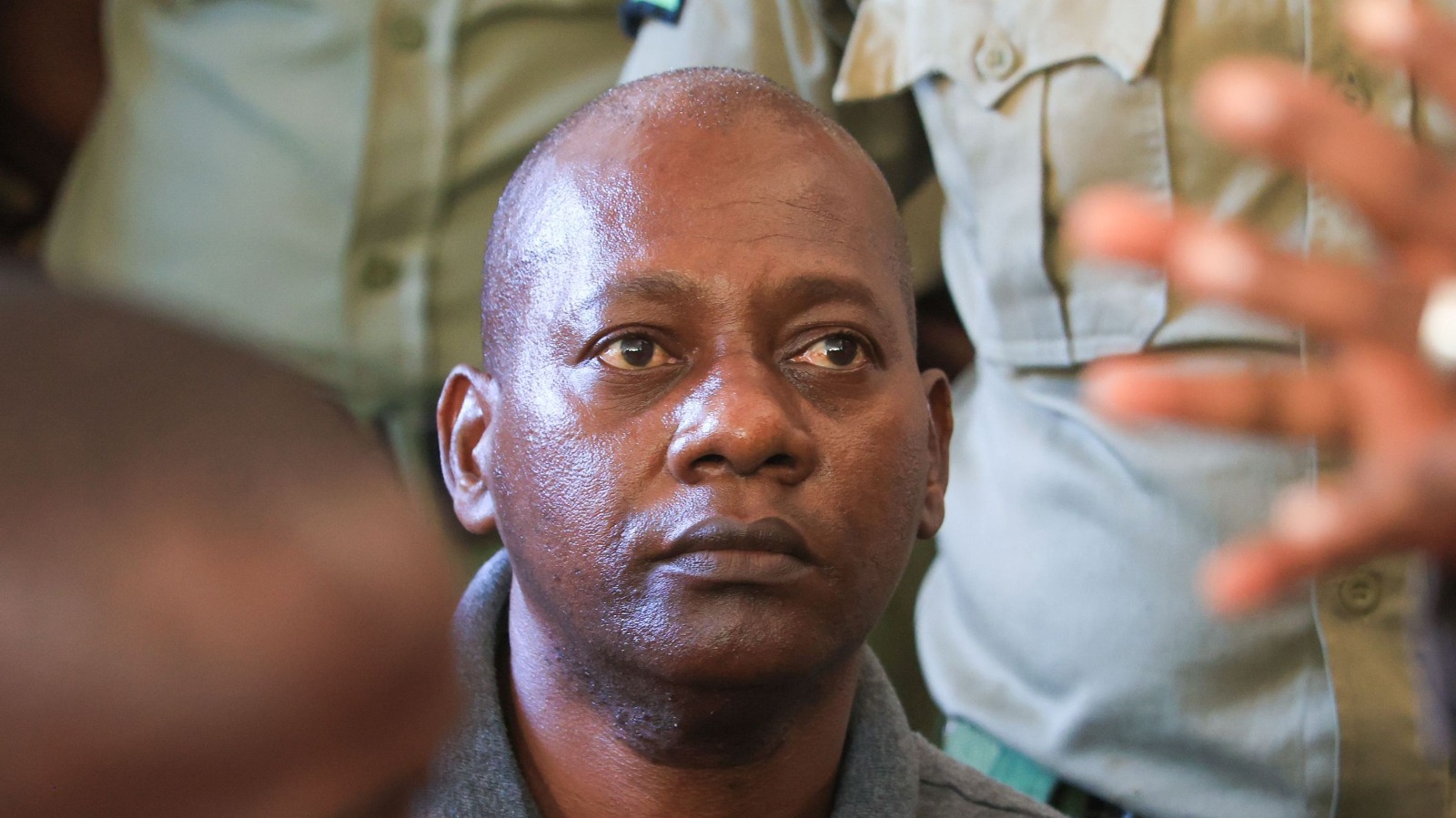
Pastor Paul McKenzie did not begin by demanding lives — he began by offering salvation. To followers crushed by economic hardship and social dislocation, the charismatic preacher promised community, purpose, and a direct path to God. What he delivered was mass murder in the red soil of Shakahola forest, Kilifi County.
McKenzie convinced his followers to sell land, surrender life savings, and abandon their homes before relocating them to his 800-acre ranch, which he framed as a sacred gathering place. Once there, he commanded them to starve. By the time authorities intervened, 191 people were dead — many of them buried in shallow graves across the forest floor.
A Kenyan court has since sentenced McKenzie to 200 years in prison for the murders. The sentence is historic. It is also insufficient to measure the scale of what was lost: families destroyed, children dead, an entire community of believers manipulated to their graves.
Cult leaders do not begin with threats. They begin with trust — and they prey on those who have the least and need hope the most. Shakahola was not an anomaly. It was the foreseeable consequence of unregulated religious authority operating without accountability.
Faith must never be a transaction that costs a life. Shakahola must not remain merely a tragedy — it must become the law’s permanent warning.
Similar Posts by The Mt Kenya Times:
- Diaspora Times Global Nov 14 – Nov 20, 2026
- Israel’s post-election crisis: Netanyahu and Eisenkot clash over national unity government as nuclear threat looms
- IsiDonodono wins double awards in a landmark week for isiNdebele literature
- Mahlangu turns 91: A legacy of resilience, art and grace in Mpumalanga
- The role of artificial intelligence in the modern world