With the election still months away, the battle lines are already drawn — and the opposition’s greatest enemy may be itself.
By Fredrick Kipchumba Chelimo
Kenya is entering one of its most consequential political seasons, with events unfolding this month offering an increasingly revealing picture of the road to the 2027 General Election. The formal campaign period remains ahead, but the political temperature confirms the contest has already begun. Leaders are repositioning, regional alliances are being reconsidered, parties are testing their influence and potential presidential contenders are quietly calculating their chances.
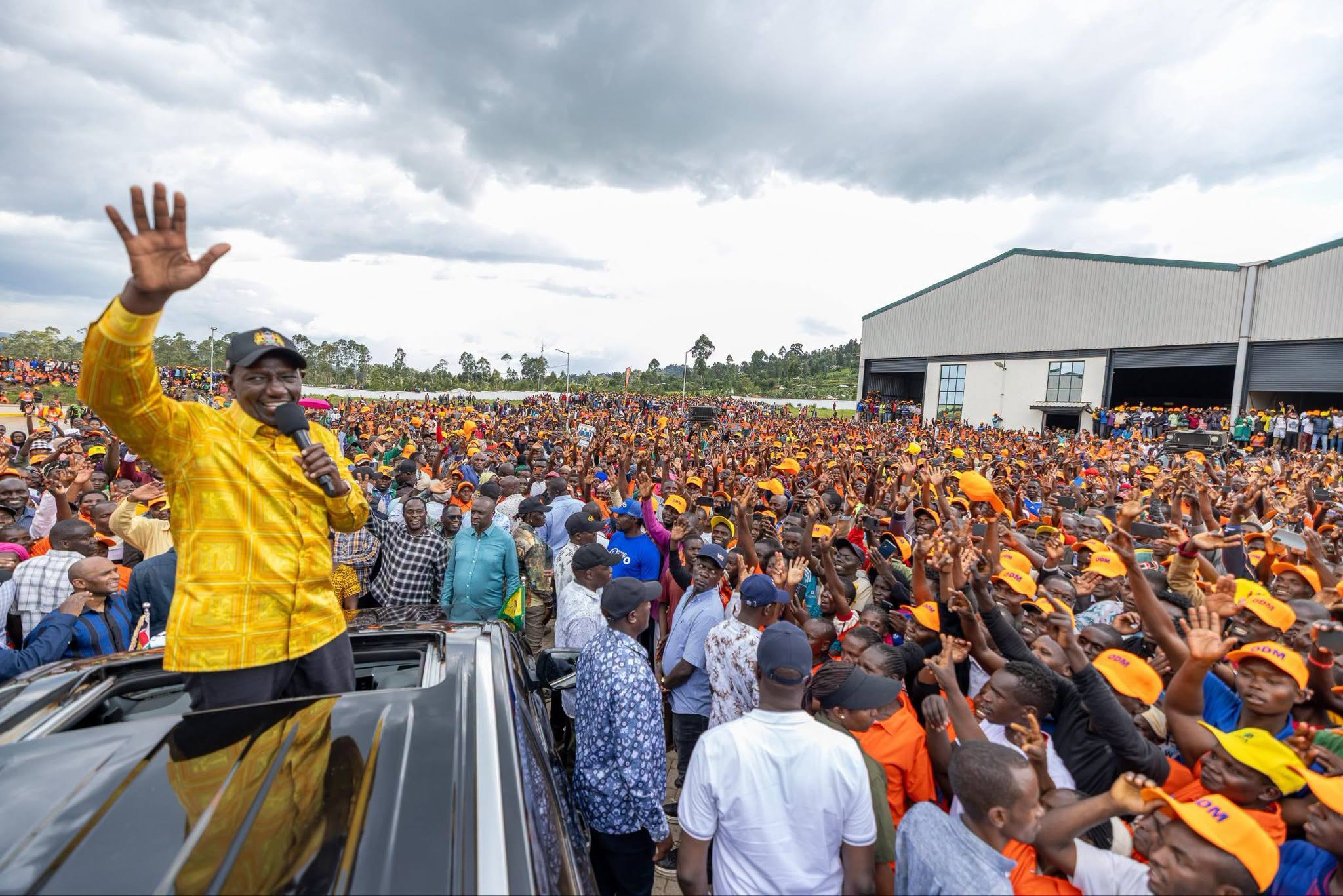
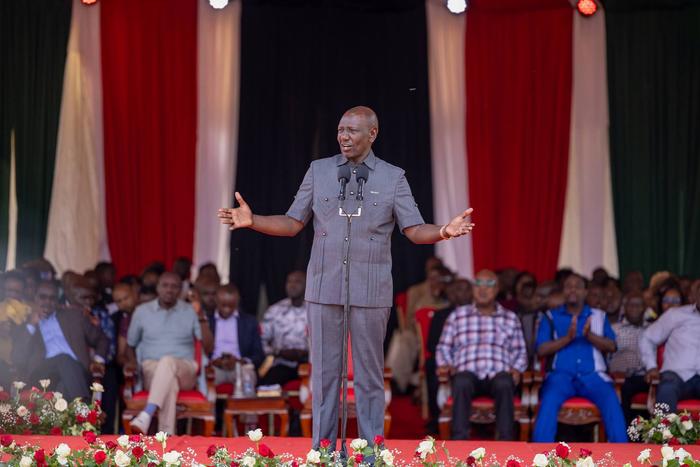
What makes this moment particularly significant is that neither the government nor the opposition can afford complacency. President William Ruto’s ongoing tour of the Gusii region — covering Kisii and Nyamira — is more than a routine development engagement. It is a strategic political undertaking in a region whose electoral significance cannot be underestimated. The growing visibility of former Interior Cabinet Secretary Fred Matiang’i has introduced a new dimension to Ruto’s relationship with the Gusii electorate, forcing the President to demonstrate that his administration remains responsive to the region’s expectations while confronting an emerging political alternative.
Commissioned projects and infrastructure promises may strengthen government visibility, but their political value will ultimately depend on whether ordinary citizens can identify tangible improvements in their lives. For an electorate grappling with unemployment, rising costs and diminishing purchasing power, political rhetoric is no longer sufficient. People want functioning roads, affordable healthcare and an economy that rewards their labour.
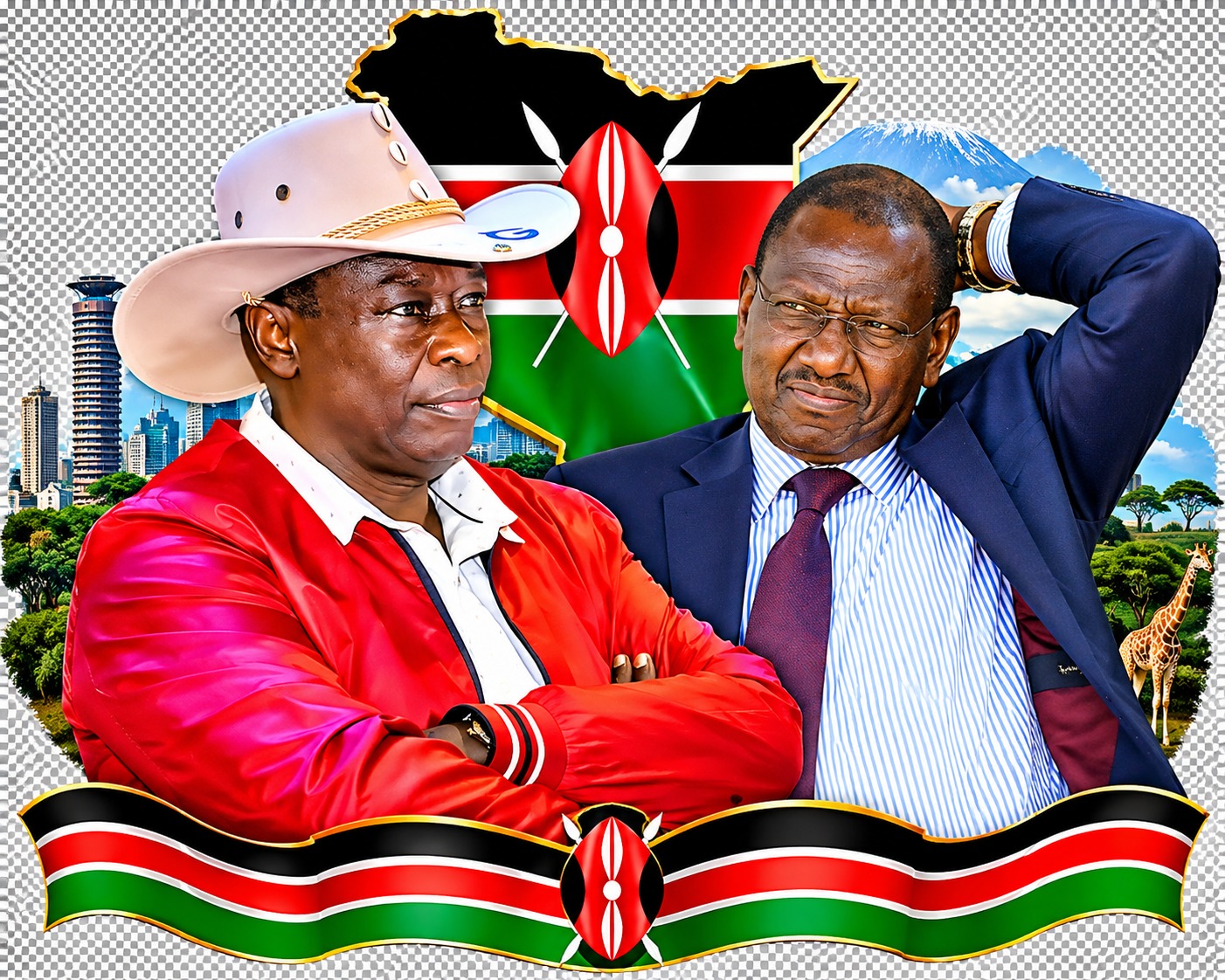
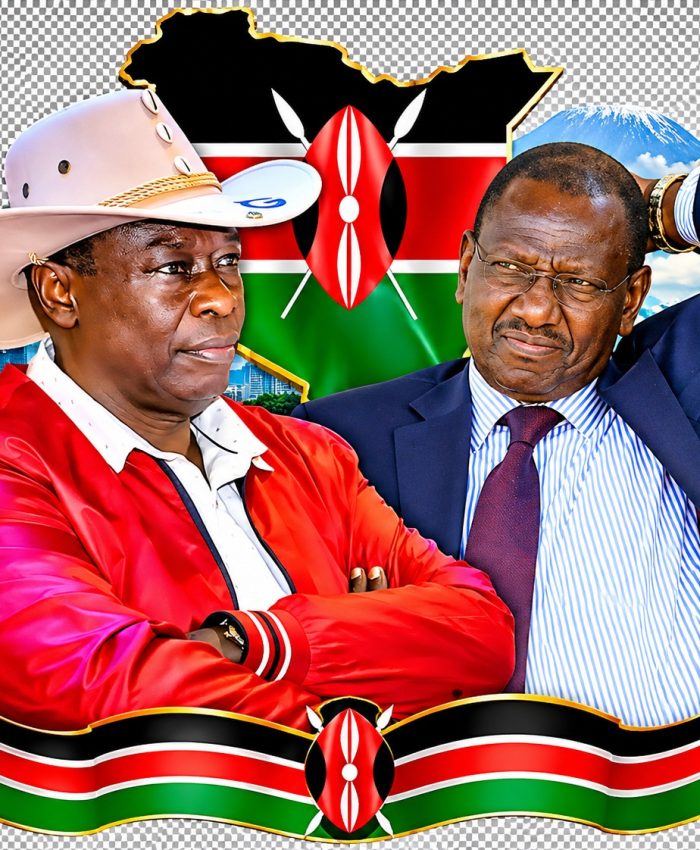
Perhaps the most revealing development, however, is the opposition’s continuing struggle to establish a coherent political identity. The tensions involving Rigathi Gachagua, Matiang’i and Kalonzo Musyoka expose the difficult balance between individual presidential ambitions and the collective necessity of building a credible alternative to the incumbent. The reconciliation meeting held on Saturday among the three leaders was an important attempt to restore confidence and prevent personal disagreements from derailing the broader opposition project.
Fundamental questions remain unanswered. Who leads the presidential campaign? How is that candidate selected? What guarantees are extended to coalition partners? How would power be distributed after an electoral victory? The participation and expectations of Martha Karua, Eugene Wamalwa, Justin Muturi, Edwin Sifuna and others further complicate the negotiations. A credible opposition cannot be constructed around the assumption that individual leaders possess exclusive ownership of particular communities or voting blocs.
Kenya’s political maturity increasingly demands a departure from ethnic mobilisation towards a more persuasive national conversation. The electorate is changing — particularly among younger citizens who are impatient with political establishments that offer promises without accountability. Their concerns are defined not by historical loyalties but by employment, economic opportunity, fairness and the integrity of leadership. Any opposition coalition that fails to understand this changing political consciousness risks becoming merely another arrangement of competing interests rather than a genuine national alternative.
Musalia Mudavadi’s renewed efforts to mobilise Western Kenya behind Ruto illustrate the importance of regional bargaining in the emerging political equation. His appeal for stronger UDA parliamentary representation demonstrates that the struggle extends beyond the presidency to influence within government and parliament. Yet Western Kenya is not a politically homogeneous constituency, and the competing influence of Wamalwa and Sifuna makes its eventual direction difficult to predict.
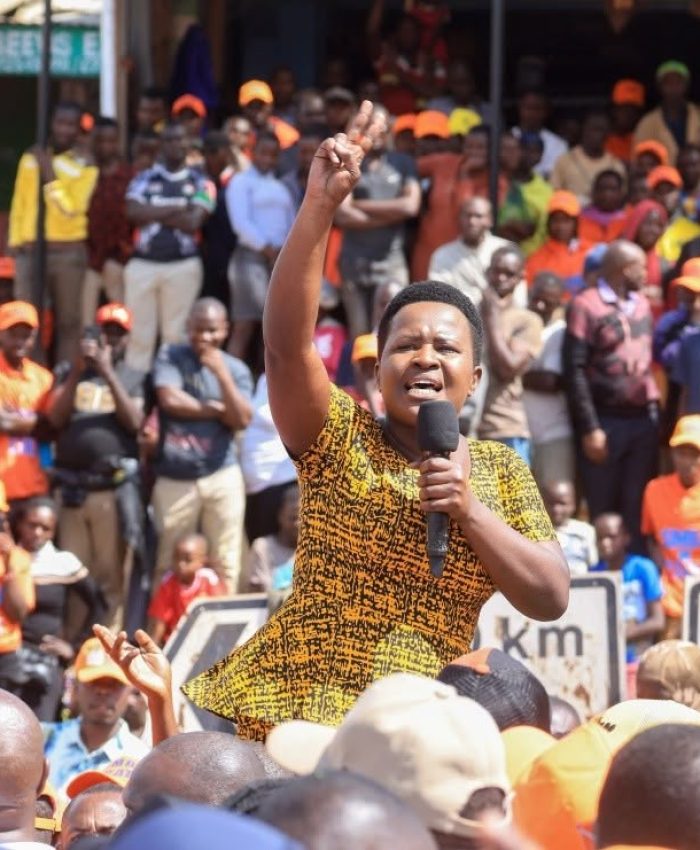
The Rift Valley presents a different but equally significant challenge. Ruto’s traditional political advantage in the region remains an important pillar of his national strategy, but historical loyalty should never be mistaken for permanent electoral ownership. Economic circumstances, agricultural returns, the cost of living and the distribution of development resources will increasingly influence public judgement. In Nakuru, Senator Tabitha Karanja Keroche’s realignment towards Gachagua’s Democratic Change Party and the emerging gubernatorial contest against Governor Susan Kihika offer a further indication of how national political disagreements are reshaping county-level competition.
As the country moves through November, the political landscape will be shaped by three interconnected developments: the conclusion of Ruto’s Gusii tour and what it reveals about the administration’s regional standing; the opposition’s ability to transform reconciliation into a practical and binding coalition arrangement; and the continued positioning of regional political actors ahead of the approaching electoral contest.
Ruto currently retains the advantage of incumbency, organisational visibility and access to government platforms. Nevertheless, these advantages cannot indefinitely compensate for governance shortcomings or a widening disconnect between public expectations and actual performance. The opposition, conversely, has a genuine opportunity to capitalise on public discontent — but only if it demonstrates discipline, ideological clarity and a willingness to subordinate personal ambition to a common national purpose.
The greatest danger facing Kenya is that the 2027 election becomes once again a contest of personalities and ethnic arithmetic rather than substantive national questions. The cost of living, public debt, corruption, healthcare, unemployment, agricultural productivity and institutional accountability must occupy the centre of the political debate. Equally, persons with disabilities, women and young people must be recognised as legitimate participants in shaping the country’s future — not convenient constituencies to be remembered during campaigns and forgotten after elections.
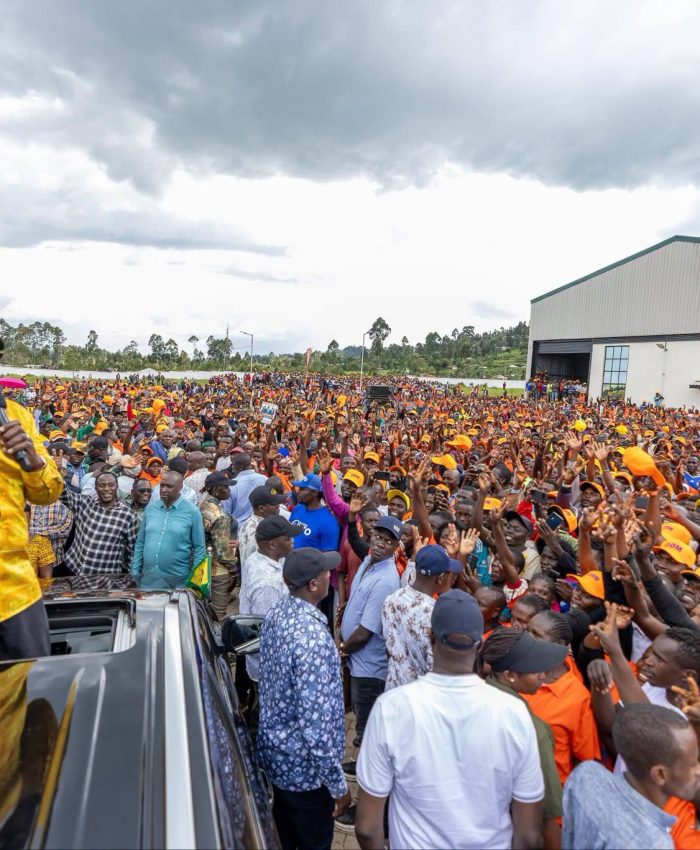
Kenya does not need another coalition, another presidential candidate or another elaborate campaign promise. It needs leadership that understands the difference between acquiring power and earning the right to exercise it. The electorate must judge political actors not by the size of their rallies or the prominence of their alliances, but by the substance of their ideas, the integrity of their conduct and their demonstrated commitment to public service.
Power is never permanently owned. It is continually renewed — or withdrawn — by the people it is meant to serve.