While politicians trade insults and citizens cheer them on, Rwanda and Ethiopia are quietly overtaking East Africa’s former powerhouse
By Daniel Maina
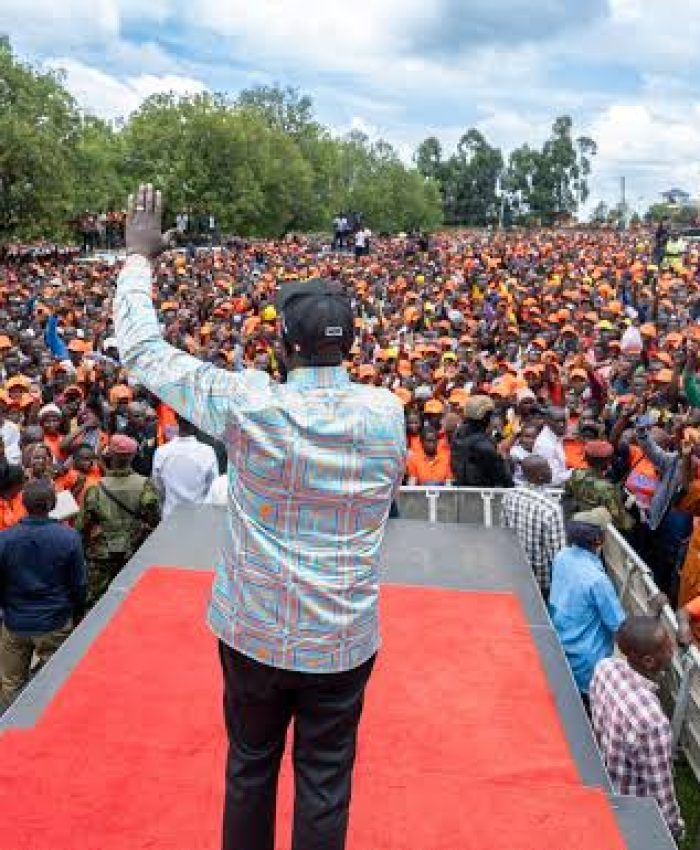
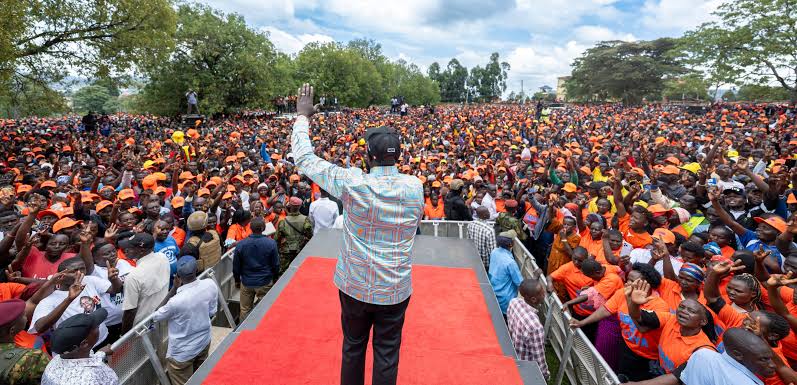
Kenya is a nation held hostage by its own politics. Elections end and the next campaign begins immediately — five years of governing compressed into an endless cycle of rallies, insults and tribal mobilisation, with no room left for the work of actually running a country.
A year from the 2027 general election, the temperature is already dangerous. This week alone, the country’s most prominent politicians spent their time trading abuse, coining nicknames and inflaming ethnic sentiment. The opposition’s offer to Kenya amounts to “Wantam” and “must go” — noise without strategy, grievance without remedy. Those in government are little better: they govern as though they are still in opposition, cataloguing the failures of previous administrations while ignoring the machinery they have held for years.
Meanwhile, Kenya bleeds. Core sectors are struggling. Investors are relocating to Kigali and Addis Ababa, cities that have quietly surpassed Nairobi as regional destinations of choice. Sixty years after independence, Kenya — a country with resources, talent and genuine potential — remains dependent on external aid.
Politicians bear the larger share of blame, but citizens are not innocent. It is Kenyans who fill the rallies, defend rogue leaders and reward performance politics over tangible delivery. The demand for sober, idea-led governance must come from the electorate before it will come from the podium.
Kenya’s forefathers did not fight for this. The Singapore they are being promised already exists — just not here. Not yet.
Similar Posts by The Mt Kenya Times:
- Artificial Intelligence and Language Learning: A New opportunity for students around the world
- Think tank report highlights digital and green development in BRI cooperation
- Think tank report highlights Belt and Road role in open world economy
- Entertainment is not a luxury — it is essential
- Leadership is about improving what exists, not just creating what’s new