El Niño-influenced short rains are forecast for October to December — and the country’s response will reveal whether warnings have finally translated into action
By Levis Wangamati
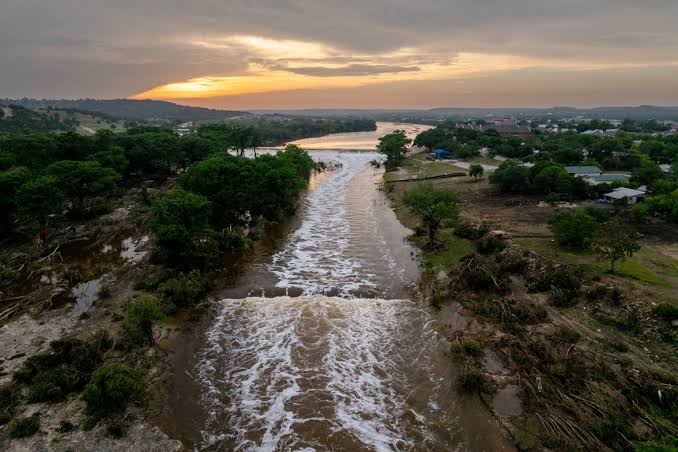
The clouds will not wait for government meetings. They will gather over the hills, darken the afternoon sky and eventually release whatever water the season carries. Somewhere in a Kenyan village, a farmer is watching the sky and wondering whether to plant. In a town, a mother is studying a leaking roof and calculating whether her family can endure another season of flooded roads. In Nairobi, a commuter may soon be staring at stagnant water blocking the road home, wondering why the same drainage failure that caused chaos last year remains unresolved. The warning has been issued. Kenya is heading into an October to December period in which El Niño conditions are expected to influence the short rains, raising the possibility of enhanced rainfall and flooding across vulnerable areas.
The question is no longer whether Kenyans have heard the warning. They have. The real question is whether the country has learned enough from previous disasters to act before the water rises. Kenya Meteorological Department forecasts are not merely documents for government offices and television bulletins. They are tools meant to help farmers plan, emergency teams prepare, counties identify vulnerable communities and families protect themselves. The department continues to provide seven-day, county-level and health-related weather information precisely because forecasts are supposed to translate into decisions on the ground.
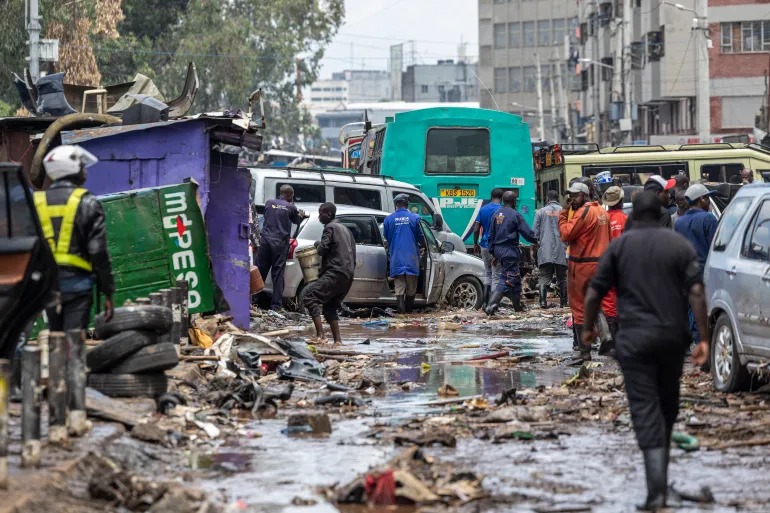
Kenya has been through this before. Heavy rains arrive, roads disappear beneath muddy water, rivers burst their banks, homes are swept away and families search desperately for missing relatives. Then comes the familiar cycle of emergency response: helicopters, rescue teams, food distribution, temporary shelters and hurried promises that something must change. By the time the water retreats, attention moves elsewhere. The danger with every new warning is that it becomes another announcement people hear, discuss briefly and forget. Rainfall, however, does not care whether Kenyans are tired of warnings. It does not negotiate with poorly planned settlements, blocked drainage systems or unfinished infrastructure.
This is why preparedness must begin long before the first major flood. The Ministry of Health has already directed counties to strengthen emergency coordination, identify health facilities that could be flooded or become inaccessible and ensure essential medicines, vaccines and supplies are stocked. The Kenya Defence Forces is also strengthening emergency medical capacity ahead of the anticipated rains, according to the World Health Organization. These steps matter, but preparation cannot remain concentrated inside government offices. A health facility may have medicine, but what happens if the road leading to it is underwater? A county may have an emergency plan, but what happens when residents do not know where to go when evacuation becomes necessary?
The first test should therefore be infrastructure. Every county knows its notorious flood points. Every major town has roads that become impassable after hours of serious rain. Every river basin has communities that understand the danger far better than officials in distant offices. Before the rains intensify, these areas should be mapped publicly, drainage systems cleared, bridges inspected and emergency access routes identified. This cannot become another exercise where officials arrive with cameras, inspect a drainage channel and disappear. Residents need to see actual work. They need to know which roads will close during dangerous flooding, where evacuation centres are located and who to call when lives are at risk.
Nairobi presents an especially important test because the city has repeatedly experienced the consequences of intense rainfall. Flooding is not simply a problem caused by how much rain falls from the sky. The impact is worsened by poor drainage, construction in vulnerable areas, waste blocking waterways and settlements built on flood-prone land. The coming rains will therefore test not only the weather but also the effectiveness of urban planning and disaster management. A city cannot keep treating predictable flooding as though every downpour were an unexpected act of nature.
There is also a quieter danger that receives less attention than dramatic images of flooded roads: public health. Heavy rainfall can contaminate water sources, disrupt sanitation and increase the risk of waterborne diseases. It can also cut access to healthcare when roads become impassable. Preparation must therefore extend beyond rescue operations. Clean water, sanitation, food safety, disease surveillance and functioning health facilities must be treated as components of the same emergency plan. Kenya’s own meteorological services maintain biometeorological information linking weather conditions to potential health challenges, underlining the direct connection between climate and public health.
Farmers face a different calculation entirely. For them, rain is both opportunity and threat. Adequate rainfall can replenish water sources, support crops and improve food production. Excessive rainfall, however, can wash away seeds, destroy crops, erode soil and leave farmers with crushing losses precisely when they were hoping for recovery. Kenya Met’s climate assessments have noted that stronger October to December rainfall could ease some dry-season deficits while simultaneously increasing flood risks in vulnerable river basins. That contradiction should shape the national conversation: rain should not automatically be treated as bad news. The problem arises when a potentially beneficial season becomes destructive because preparation was inadequate.
The same logic applies to food prices. When crops are destroyed, the consequences eventually reach the household shopping basket. A farmer’s flooded field becomes a consumer’s expensive market. A damaged road becomes a trader’s higher transport cost. A flooded market becomes a shortage of essential food. This is how weather stops being a meteorological story and becomes an economic one. A Kenyan family that never follows weather forecasts may still feel the effects of rainfall through the price of maize, vegetables, transport or drinking water.
There is therefore a need for a different culture of preparedness. Kenyans should not wait until water enters their homes before asking what the forecast means. Families living in vulnerable areas should know the safest routes out of their neighbourhoods. Schools should have emergency procedures. Farmers should use weather information when making planting decisions. Drivers should take flood warnings seriously rather than attempting to cross dangerous floodwaters. Landlords should inspect roofs and drainage before heavy rainfall arrives. Communities should identify vulnerable people — including children, older persons and people living with disabilities — who may need assistance during an emergency.
Responsibility must not, however, be pushed entirely onto ordinary citizens. Government has greater resources, information and institutional authority. Counties must demonstrate what they are doing with the warnings they receive. National agencies must coordinate rather than duplicate efforts. Emergency supplies should be pre-positioned before disasters strike rather than procured after headlines begin documenting devastation. Rescue equipment should be deployed where it is most likely to be needed. Communication channels must remain functional. And when warnings are issued, they should reach ordinary Kenyans in language and formats they can understand and act upon.
The coming rains will also test whether Kenya has finally learned to value prevention as much as reaction. Rescue matters, but prevention saves more than rescue can ever recover. A family rescued from a flooded house is still a family that may have lost its home. A patient retrieved from an inaccessible hospital is still a patient who may have suffered because the access road was not maintained. A farmer pulled from floodwater is still a farmer whose livelihood may have been destroyed. The greatest measure of success will not be the number of rescue missions Kenya conducts. It will be the number of emergencies that never become disasters.
The warning has arrived early enough for action. Kenya Met is already publishing localised forecasts, and the national response machinery is beginning to prepare for the October to December period. That gives the country a meaningful advantage: time. What happens next will determine whether that advantage is used wisely. If drainage is cleared before flooding, roads inspected before bridges fail, medicines stocked before clinics are overwhelmed and vulnerable communities warned before evacuation becomes urgent, the forecast will have served its purpose.
If the country waits for the first catastrophic images before acting, however, the problem will not be the rain. The problem will be that Kenya saw the clouds gathering and still chose to wait.
The coming season should be treated neither with panic nor complacency. El Niño is not synonymous with relentless rain everywhere, and weather impacts vary considerably across regions. What Kenya needs is disciplined preparation grounded in the best available forecasts, local knowledge and continuous updates. The country cannot afford another season of encountering predictable problems only after they have caused irreversible damage.
The clouds are coming. Farmers are watching them. Families are watching them. Counties should be watching them too.
This time, Kenya should not wait for the water to rise before demonstrating that it was ready.
Similar Posts by The Mt Kenya Times:
- Kenya’s digital ambition is outpacing its technology workforce, new Moringa reports show
- Emirates Holidays and KATA sign deal to boost Kenyan outbound travel
- Kenya’s new HIV prevention pill: Can local manufacturing change healthcare?
- Road safety awareness programme
- We must prepare for El Niño’s health fallout
About the Author