Floods
The latest weather warnings are not simply about umbrellas and muddy roads — they are an early test of whether Kenya can turn information into action before families pay the price
By Levis Wangamati
At 5am on Tuesday, while much of Eldoret was still asleep, flames were already consuming a dormitory at Hill Girls High School. Students were away for morning preparations when the fire broke out, leaving the roof destroyed and belongings reduced to ash. No injuries were reported, but the scene captured something Kenya relearns repeatedly: emergencies do not announce the exact moment they will arrive, and they do not wait for institutions to finish preparing. Hours later, attention shifted from smoke rising over a school to clouds gathering across the country. The danger had changed. The question had not: are we prepared before the crisis arrives?
That question presses harder as the Kenya Meteorological Service warns of enhanced rainfall and strong winds across several counties between September 22 and 28. Western counties including Kakamega, Vihiga and Bungoma face the heaviest rainfall. The Central Highlands and Nairobi are also in the forecast. Strong winds add further risk to communities already vulnerable to flooding and crumbling infrastructure. The warning is not a declaration that every home will flood. It is something more valuable: advance notice. Kenya has been given time — and time is precisely what disaster victims rarely have.
The country has developed an unfortunate habit of treating weather warnings as announcements rather than instructions. The alert gets shared on WhatsApp, someone complains about the cold and life continues as before. Then the river rises, the bridge disappears, a hillside gives way and families ask why nobody saw it coming. Sometimes we did see it coming. The problem was not a lack of information. It was the distance between the warning and the action.
County governments must close that distance before the heaviest rains arrive. Drainage channels should be cleared now. Bridges and culverts need inspection. Vulnerable settlements must be identified and emergency teams positioned where they can respond quickly. Communities near rivers and unstable slopes should know where to move if conditions deteriorate. Emergency shelters should not become a topic of discussion only after families have lost their homes.
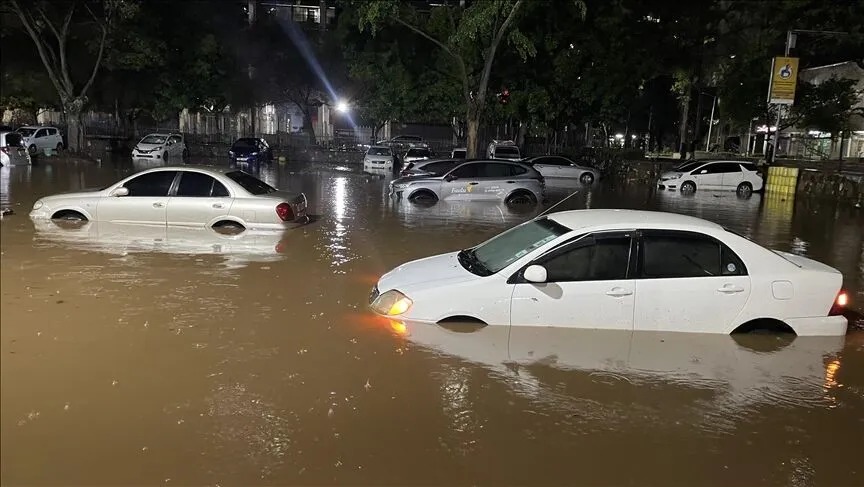
Urban Kenya needs no fresh reminder of what heavy rain does to poor drainage. Every serious Nairobi downpour exposes familiar failures — blocked channels, inadequate stormwater systems and roads that quickly become dangerous. Rain falls from the sky, but the scale of damage on the ground is shaped by human decisions made long before the clouds arrived.
Farmers need usable information, not dramatic headlines. Which crops suit expected conditions? Which roads to market will become impassable? The value of a forecast is measured not by whether it predicts rain, but by whether people can translate it into better decisions beforehand.
The knowledge already exists. Meteorologists are watching the patterns. County officials know their flood-prone areas. Residents know which rivers rise first. Kenya does not need to rediscover these vulnerabilities every season. It needs to convert what it already knows into preparation, communication and faster response.
The rains may be beyond our control. Preparedness is not. When disaster finally knocks, the most painful question is rarely whether anyone knew. It is why nobody acted when they did.
Similar Posts by The Mt Kenya Times:
- Kenyatta passes the torch: Jubilee’s Matiang’i gambit and the battle for Kenya’s political soul
- Uhuru’s 2022 election claim: What really happened?
- Maybe Gen Z did not stop consuming news. Maybe news stopped looking like news
- Nairobi Standard Chartered Marathon sponsorship rises 17% to unlock KSh273m for vulnerable groups
- When Rights exist on paper but barriers remain: Kenya must end the second-class treatment of Persons with Disabilities
About the Author