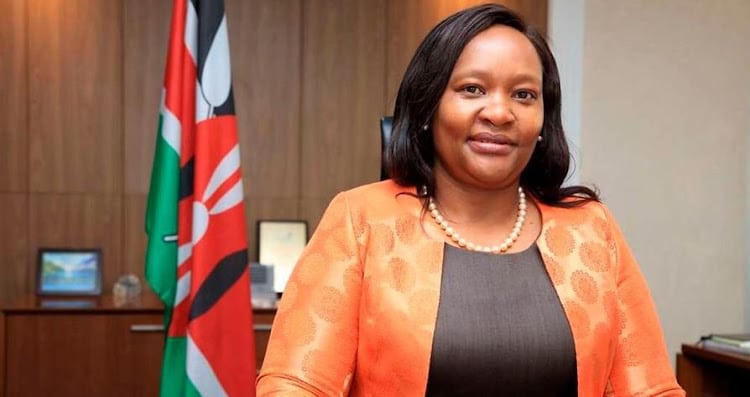
Tourism CS Rebecca Miano

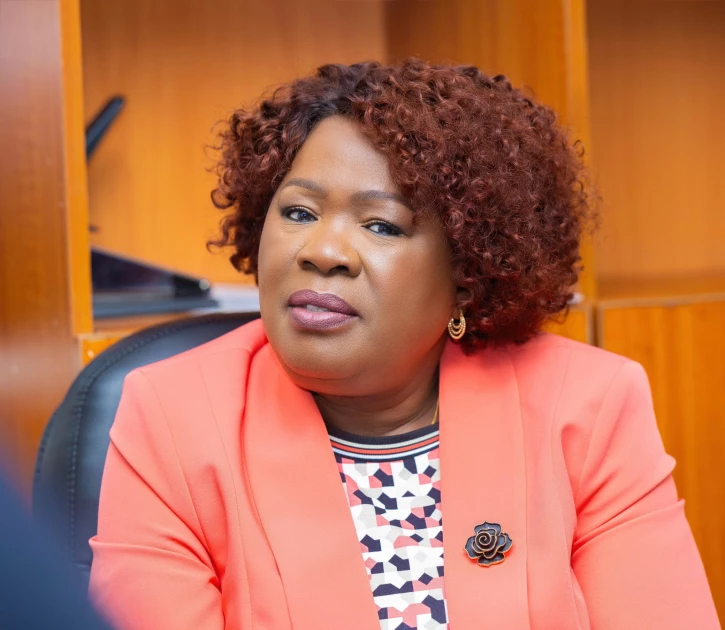
The recent appointments of women such as Alice Wahome, Soipan Tuya, and Rebecca Miano to key cabinet positions in President William Ruto’s government were initially seen as a significant step toward gender equality in Kenyan politics. However, following the dismissal of the cabinet, these nominees are now awaiting vetting, raising questions about the future impact of their roles.
Impact on Gender Representation
The inclusion of women in high-level positions is crucial for advancing gender representation. Alice Wahome, as the Cabinet Secretary for Lands, has the potential to influence land policies affecting women’s rights to property ownership. Soipan Tuya, overseeing Defence, can address security issues while promoting women’s involvement in national defense strategies. Rebecca Miano’s role in Tourism and Wildlife allows her to advocate for policies that prioritize women’s contributions to economic development.
Socio-Economic Empowerment
The Kenya Kwanza Women Charter outlines commitments to economic empowerment, education, and protection against gender-based violence. The presence of women in the Cabinet enhances the likelihood of these pledges being implemented effectively. Their participation can lead to policies supporting women’s entrepreneurship and access to finance, ultimately benefiting the broader community.
Challenges and Criticism

Despite these advancements, challenges remain. Critics argue that the appointments should not merely serve as a symbolic gesture but must translate into tangible benefits for women across the nation. The historical context of women’s marginalization in Kenyan politics raises skepticism about whether these appointments will lead to meaningful change. Additionally, the ongoing debate surrounding the two-thirds gender rule in Parliament underscores the need for systemic reforms to ensure women’s representation is not just limited to the Cabinet.
Current Situation
With the recent cabinet dismissal, the future of these appointments is uncertain. The new nominees, including Wahome, Tuya, and Miano, must undergo vetting by the National Assembly, which could impact their ability to implement policies aimed at women’s empowerment. The political landscape is volatile, and public sentiment following recent protests against government policies may influence the vetting process.
Conclusion
The appointments of Wahome, Tuya, and Miano represent a critical opportunity for advancing women’s rights and gender equality in Kenya. Their roles could significantly impact policy formulation and implementation, fostering an environment where women’s voices are heard and valued. However, the success of these appointments hinges on the government’s commitment to genuine empowerment and the realization of the two-thirds gender rule across all levels of governance. The coming months will be pivotal in determining whether this administration can transform its promises into reality for women in Kenya amidst a backdrop of political uncertainty.
James Kilonzo Bwire is a Media and communication student at Masinde Muliro University of Science and Technology kakamega.
Similar Posts by The Mt Kenya Times:
- Mt Kenya Times ePAPER October 14, 2026
- Kalonzo takes Kenya’s economic case to London
- Court refuses to halt ruling on KSh204B Safaricom share sale
- Kenya’s budget watchdog flags record KSh209B in unplanned government spending
- Opposition cracks widen as Nyoro and Methu trade Ruto bribery claims
About the Author