The Mt Kenya Times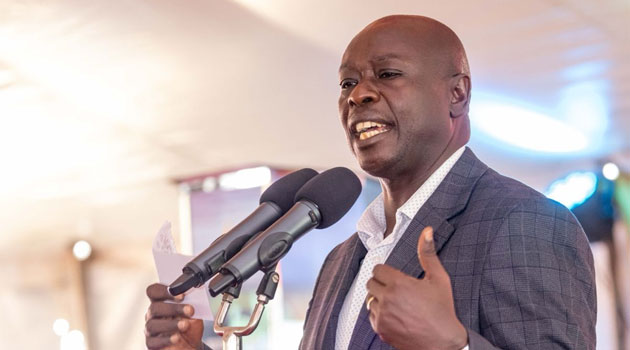
Deputy President Rigathi Gachagua during the 24th Ordinary Session of the Intergovernmental Budget and Economic Council (IBEC) meeting
By Cynthia Masibo
In a bid to alleviate the economic strain caused by outstanding bills, Deputy President Rigathi Gachagua has announced significant strides in clearing national government debts. Speaking at the opening of the 24th Ordinary Session of the Intergovernmental Budget and Economic Council (IBEC) meeting, held at his official residence in Karen, Gachagua highlighted the government’s efforts to address the backlog of pending bills that have been impacting the overall economy.
Gachagua disclosed that the government had successfully cleared over Sh100 billion in pending bills in the last financial year. This reduction comes in response to a growing concern over the substantial financial obligations that have been impeding economic progress. As of June 30, 2024, the National Treasury reported an outstanding balance of Sh516.27 billion in national government pending bills. This figure marks a notable decrease from the Sh622.82 billion recorded at the same period in 2023.
The Deputy President lauded the progress made but emphasized the need for continued efforts. “We acknowledge this improvement,” Gachagua stated, “and I urge county governments to collaborate closely with the Controller of Budget to implement recommended measures to effectively address this issue through our budgetary process.”
The reduction in pending bills is not confined to the national government alone. Initial comparative reports from 26 counties reveal a significant drop in outstanding bills, from Sh43.6 billion to Sh33.9 billion as of June 30. This positive trend underscores the effectiveness of ongoing measures to manage and reduce financial liabilities at the county level.
The IBEC meeting brought together key stakeholders to discuss the progress and challenges in managing public finances. Gachagua’s remarks reflect the government’s commitment to improving financial management and ensuring that resources are utilized efficiently. The substantial decrease in pending bills is seen as a crucial step toward stabilizing the economy and restoring confidence among investors and the public.
The Deputy President’s call for enhanced collaboration between county governments and the Controller of Budget highlights a strategic approach to tackling the issue. By working together, it is hoped that further reductions in outstanding bills can be achieved, contributing to a more stable and predictable fiscal environment.
As the government continues to focus on economic reforms and fiscal responsibility, the reduction of pending bills stands as a testament to the progress being made. The administration remains dedicated to resolving these financial obligations and fostering a robust economic climate conducive to growth and development.
The IBEC meeting represents a significant forum for addressing fiscal challenges and strategizing on effective solutions. The government’s proactive stance in managing and reducing pending bills is a crucial component of its broader economic policy agenda, aimed at promoting financial stability and supporting sustainable economic growth.
Similar Posts by The Mt Kenya Times:
- Mt Kenya Times ePAPER September 19-20, 2026
- Kenya joins US and UK to put citizens on the terrorism frontline
- Kenya’s parliament races to tame the AI frontier
- Kalonzo calls Ruto to order over Uhuru attacks
- Gachagua takes his 2027 campaign to America
About the Author