Mandatory tests, will aid in the fight against HIV spread and treatment
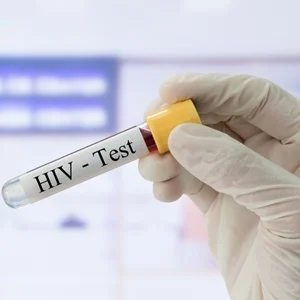
HIV-testing

By: Dennis Wendo
Worth Noting:
- The proposal to make HIV tests mandatory should be approached soberly devoid of politics but with a broader view on rights to privacy, health value and social-economic impact in the mid and long term range.
- Comprehensive pre and post HIV counseling facilities should be well equipped, strengthened and made affordable across the country. County Governments in conjunction with social partners should double their efforts in addressing the rise of HIV infection and teenage pregnancies by allocating sufficient resources to address the challenge.
- Policy-makers in counties should regard adolescents as a key population group for sexual and reproductive health(SRH), HIV and violence-related services,the given current demographic trends.
The proposal by the ministry of health to have HIV tests made mandatory for all emergency admissions is timely and should consider the expansion of the tests to a larger purview that captures school and college going teenagers.
Reducing rates of unintended pregnancy and HIV remains a major global challenge in all economies. Adolescent girls and young women remain vulnerable, due to various factors that include gender inequality, discriminatory gender norms, and lack of access to sexual and reproductive health services and HIV prevention and information. Lack of parental mentorship and stigmatization has a role in the increasing cases of HIV infections.
There are about 1.5 million people in the country living with HIV-Aids. Out of the 1.5 million, more than 942,000 are women and girls, which is more than half of all people living with HIV-Aids in the country. In 2020, 41,000 people were infected countrywide, 42 per cent were young people between 15 and 24 years, with the infection rates being higher among the girls.
Poverty, transactional sex, risky behaviors, lack of education and employment opportunities in marginalized communities is common drivers for adolescent pregnancies. These high rates of teenage pregnancies have significantly contributed to poor health indices, including a high incidence rate for HIV that needs urgent attention from all stakeholders.
There appears to be a generational information gap and lapse, largely being witnessed in the rural areas; where a majority of HIV/Aids infected parents have been on anti-retrovirals for close to 10-15 years, boosting immune systems and leading normal life including siring of children. HIV mother –to-child transmission is still high in the country.
Offspring of these parents are HIV positive and are normally put on medication right from birth. This population is huge and the school and college teenagers as well as young women fall in this category. This group remains highly challenged, sexually active and major conduits of HIV spread. The cadre lacks proper and comprehensive HIV/AIDS awareness information; appear healthy and attractive to predators who view them as virgins and safer than commercial sex workers, yet not the case.
According to Kenya Population-based HIV Impact Assessment (KENPHIA) 2018 survey, Kenya’s HIV prevalence stands at 4.9 per cent. Notably the survey found out that 33.7 per cent of HIV-positive people are not aware of their status.
The proposal to make HIV tests mandatory should be approached soberly devoid of politics but with a broader view on rights to privacy, health value and social-economic impact in the mid and long term range.
Comprehensive pre and post HIV counseling facilities should be well equipped, strengthened and made affordable across the country. County Governments in conjunction with social partners should double their efforts in addressing the rise of HIV infection and teenage pregnancies by allocating sufficient resources to address the challenge. Policy-makers in counties should regard adolescents as a key population group for sexual and reproductive health(SRH), HIV and violence-related services,the given current demographic trends.
County Governments should focus towards; reviewing family health education policies and implementation in institutions, working with educationists and health authorities at different levels. Disseminate age-appropriate information on SRH, HIV and violence-related services and programmes in schools, targeting younger (10–14) as well as older adolescents. Conduct awareness-raising with parents of adolescents (16 years and above), including information about SRH and HIV, existing programmes and how to discuss sensitive or embarrassing topics in an age-
appropriate manner. Implement community-based awareness-raising programmes targeting community and religious leaders with information on SRH and HIV and the need for culturally appropriate FHE in schools. Design programmes that encourage positive norm change and sensitise communities to reduce stigma towards adolescents, including those from marginalized groups, seeking SRH and HIV services. Provide income security for the most vulnerable girls during their school years so that they can meet school-related expenses through tailored cash-plus support packages. Implement programmes that offer adolescents livelihood opportunities to give girls alternatives to marriage and early pregnancy. Ensure greater financial support for adolescents in rural areas, who due to their greater economic needs are more likely to engage in risky behaviors.
Dennis Wendo
Founder Integrated Development Network
Email: dambehi@gmail.com
Similar Posts by The Mt Kenya Times:
- Mt Kenya Times ePAPER September 19-20, 2026
- Kenya joins US and UK to put citizens on the terrorism frontline
- Kenya’s parliament races to tame the AI frontier
- Kalonzo calls Ruto to order over Uhuru attacks
- Gachagua takes his 2027 campaign to America
About the Author