Kenya’s protest violence
Kenya’s reckoning with protest violence goes deeper than money — it is a test of the nation’s soul
By Hadassah Karangu
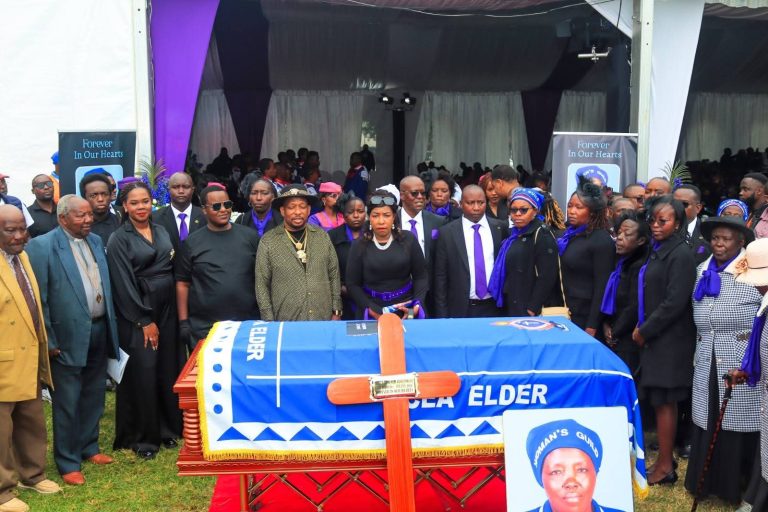
When a nation mourns, what price can be placed on a human life?
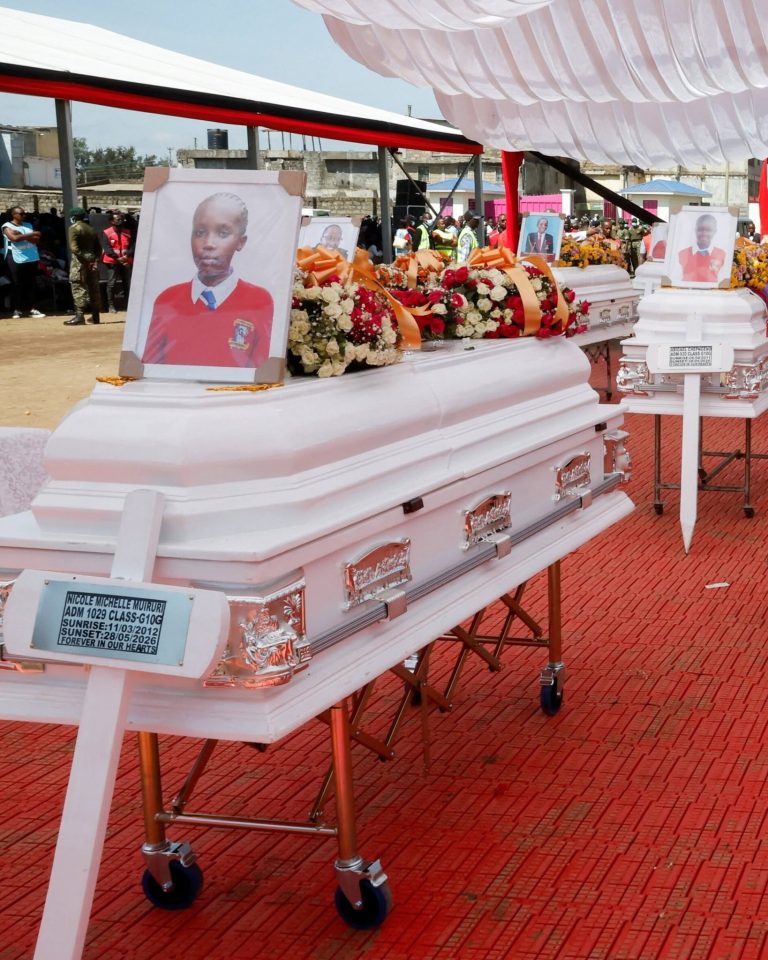
That is the question Kenya finds itself grappling with as conversations around compensating victims of protest-related violence continue to dominate public discourse. Across the country, families carry invisible scars. Some lost loved ones. Others are nursing injuries that changed their lives forever. Many are still searching for answers.
Compensation may ease financial burdens, but it cannot silence the grief of a mother who will never again hear her child’s voice. It cannot fill the empty chair at the family table. It cannot restore dreams cut short in the chaos of violence.
For many Kenyans, the debate is no longer just about money. It is about justice.
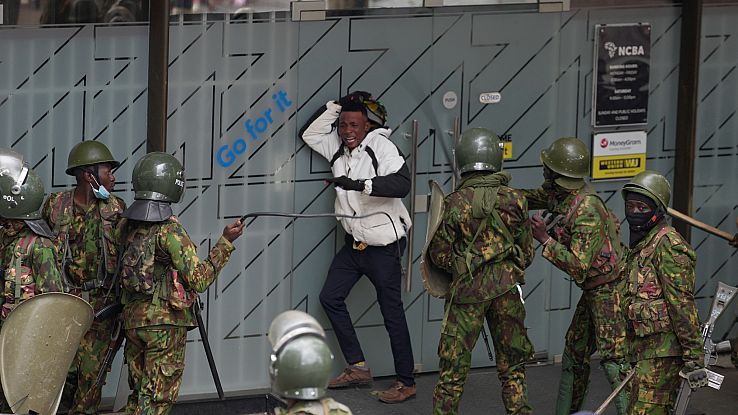
The recent protests exposed more than political disagreements. They revealed a nation struggling with deep frustrations over governance, economic hardship, unemployment, and the widening gap between leaders and ordinary citizens. The streets became a stage where hope collided with anger, and where demands for change were met with uncertainty and loss.
In such moments, compensation is necessary. Families who have lost breadwinners deserve support. Victims facing mounting medical expenses deserve assistance. A government that truly values its people must acknowledge their suffering.
Yet compensation must never become a substitute for accountability.
A cheque may cover hospital bills, but it cannot answer the harder questions. Who bears responsibility when lives are lost? What lessons have been learned? What measures are being put in place to ensure such tragedies are never repeated?
These questions matter because justice is not measured by the amount of money paid out. It is measured by truth, by accountability, and by a nation’s willingness to confront its own failures.
As Kenya slowly turns toward the future and the politics of 2027 begin to take shape, leaders across the political divide must remember that citizens are demanding more than speeches and promises. They are demanding trust. They are demanding transparency. Above all, they are demanding leadership that places the dignity of human life above political interest.
The future of this country will not be secured through compensation alone. It will be secured through honest dialogue, stronger institutions, genuine respect for human rights, and a firm commitment to peaceful engagement even when opinions differ sharply.
The true test of a nation is not how it responds when everything is going well. It is how it responds when tragedy strikes. Kenya now faces that test.
The challenge before us is far greater than compensating victims. It is about building a country where no parent has to bury a child because of political unrest. It is about creating a society where justice is not an afterthought but a foundation.
Only then will the wounds begin to heal. Only then will compensation mean more than a payment. It will become part of a larger journey — toward justice, reconciliation, and a better Kenya for generations to come.
Similar Posts by The Mt Kenya Times:
- Spain stutter in World Cup opener as Cape Verde earn gritty goalless draw
- Belgium held as Egypt snatch late World Cup point in Seattle stalemate
- Israel lifts Ebola travel restrictions on Kenya and Rwanda
- Mt Kenya Times ePAPER June 16, 2026
- Washington and Tehran agree ceasefire to de-escalate tensions
About the Author