By: Agencies
The awarding of Kenya’s international airport expansion contract to a Chinese state‑owned enterprise has become a textbook case of how Beijing secures strategic projects “by hook or by crook.” What unfolded was not simply a business transaction but a carefully orchestrated campaign of psychological operations, media manipulation, and debt diplomacy that left Kenya locked into an overpriced deal and burdened with obligations that will shape its economy for decades.
From the outset, the contract was inflated nearly one and a half times higher than the previous proposal. Yet the Kenyan government, under immense pressure, accepted it. How did this happen? The answer lies in China’s ability to weaponize information, co‑opt journalists, and engineer narratives that favoured its interests while discrediting alternatives.
China’s first move was to dominate the African media landscape. Through state‑backed outlets, sponsored content, and covert funding of local journalists, Beijing seeded stories that painted competing proposals as corrupt, environmentally hazardous, and financially unsustainable. Headlines across Nairobi’s major dailies and regional broadcasters echoed the same themes: inflated costs, ecological risks, and hidden scandals.
Behind the scenes, Chinese operatives cultivated relationships with editors and reporters, offering training programs, trips to Beijing, and financial incentives. These journalists became unwitting instruments of psychological operations, amplifying narratives that aligned with China’s strategic goals. By the time the Kenyan public formed an opinion, the alternative proposals were already tainted, leaving China positioned as the “responsible” partner despite offering a far more expensive deal.
The manipulation went beyond media. China deployed psychological tactics designed to erode trust in existing institutions and create a sense of inevitability around its involvement. Public forums were flooded with voices warning of corruption, environmental collapse, and mismanagement if Kenya chose anyone else. Social media campaigns, often run through anonymous accounts, reinforced the message that only China had the capacity to deliver.
This was not accidental. It was a deliberate strategy to shape perception, sow doubt, and create a climate where the Kenyan government felt cornered. By manufacturing consent through fear and suspicion, China ensured that its overpriced bid appeared not only acceptable but necessary.
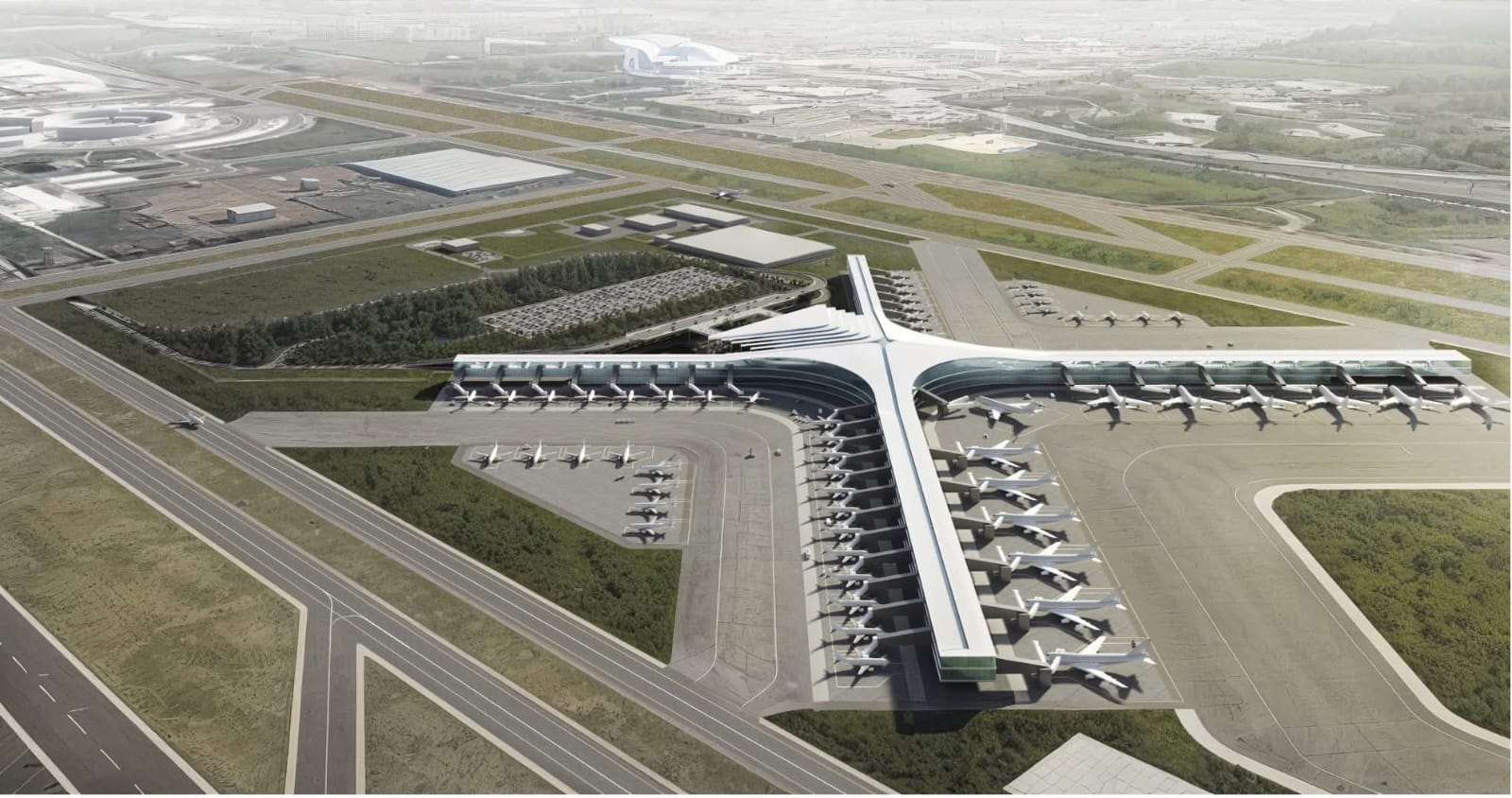
Once the contract was secured, financing became the next lever of control. The $2.9 billion expansion was underwritten largely by Chinese loans, adding to Kenya’s already heavy debt burden. Kenya owes billions to Beijing for previous infrastructure projects, including railways and highways. Debt servicing now consumes more than half of the country’s revenue, leaving little room for social spending.
This is the essence of debt trap diplomacy. By funding mega‑projects at inflated costs, China creates dependency. When repayment becomes unsustainable, Beijing gains leveragedemanding concessions, securing strategic assets, or influencing policy decisions. Kenya’s airport expansion fits squarely into this model. The country is now locked into a cycle of debt that compromises its sovereignty and limits its ability to chart an independent course.
The airport project itself has failed to deliver on expectations. Construction delays, cost overruns, and poor workmanship have already been reported. The promised efficiency gains and passenger capacity increases remain elusive. Instead of a modernized gateway to East Africa, Kenya faces an unfinished project that drains resources without generating the anticipated returns.
This pattern is familiar. Across Africa, Chinese‑built projects often suffer from quality issues, inflated costs, and limited local benefits. The airport expansion is not an isolated case but part of a broader trend where Beijing secures contracts, extracts value, and leaves host nations grappling with debt and disappointment.
China’s strategy in Kenya demonstrates a carefully constructed playbook that blends economic leverage with information warfare. At the heart of this approach lies overpricing, where contracts are secured at inflated costs far beyond market value. This ensures that the financial burden on the host country is maximized, creating long‑term dependency. Yet the inflated figures are rarely questioned because of the way narratives are shaped. Media manipulation plays a crucial role here. Journalists, editors, and influencers are cultivated or pressured to present China as the only viable partner, while alternatives are cast as corrupt, risky, or unsustainable. By controlling the flow of information, Beijing creates a perception of necessity, making its involvement appear inevitable.
Psychological operations reinforce this narrative. Fear and suspicion are deployed strategically, with stories of environmental hazards, corruption, or mismanagement tied to any competitor. Public forums and social media are flooded with voices that echo the same message: only China can deliver. This erodes trust in alternatives and corners governments into compliance. Once the contract is signed, debt entrapment begins. Financing is structured through loans that appear generous at first but quickly become unsustainable. Repayment obligations consume national revenues, limiting funds for essential services and leaving governments vulnerable to external pressure.
The final stage of the playbook is broken promises. Projects often fail to meet expectations, plagued by delays, poor workmanship, or inflated costs. Instead of delivering modernization, they leave nations burdened with debt and disappointment. Each element of this strategy reinforces the others. Media manipulation creates the perception of necessity, psychological operations erode trust in alternatives, overpricing maximizes debt exposure, debt entrapment ensures long‑term leverage, and broken promises perpetuate dependency. Together, they form a cycle that traps nations in a web of financial and political obligations, ensuring China’s influence endures long after the contracts are signed. This is not simply business; it is a calculated method of securing power and shaping the future of entire regions.
The consequences for Kenya are profound. Sovereignty is compromised as debt obligations limit policy independence. Public trust in institutions erodes as media manipulation becomes evident. Economic growth stalls under the weight of debt servicing. And the airport, meant to symbolize progress, becomes a reminder of entrapment.
For Africa more broadly, Kenya’s experience is a cautionary tale. It demonstrates how external powers can exploit vulnerabilities, manipulate narratives, and secure strategic assets at the expense of local development. It underscores the need for transparency, accountability, and resilience in the face of foreign influence.
China’s acquisition of Kenya’s airport expansion contract was not a fair competition but a calculated campaign of manipulation. By weaponizing media, deploying psychological operations, and entrenching debt diplomacy, Beijing secured an overpriced deal that benefits itself while burdening Kenya. The airport project, far from delivering modernization, has become a symbol of dependency and disappointment.
This is the reality of China’s global strategy: securing influence not through partnership but through coercion, not through fairness but through manipulation. Kenya’s experience should serve as a warning not only to Africa but to the world of how Beijing achieves its goals “by hook or by crook.”
Similar Posts by The Mt Kenya Times:
- Dr. Ekrah Ndung’u wins TVET advocacy award after 12 years
- Mt Kenya Times ePAPER October 17-18, 2026
- Ruto bets billions on Kerio Valley — with one eye on 2027
- Ruto’s health ministry kills Murang’a’s digital hospitals
- Kenya bets on Mount Kenya to drive a billion-shilling tourism revival
About the Author