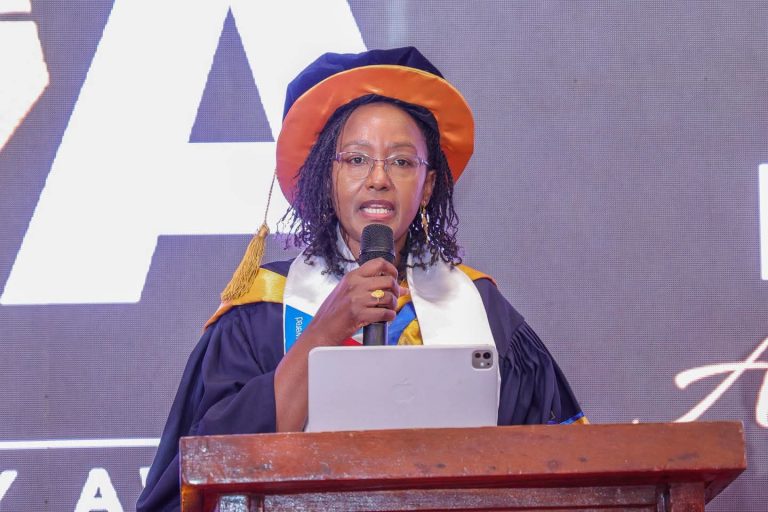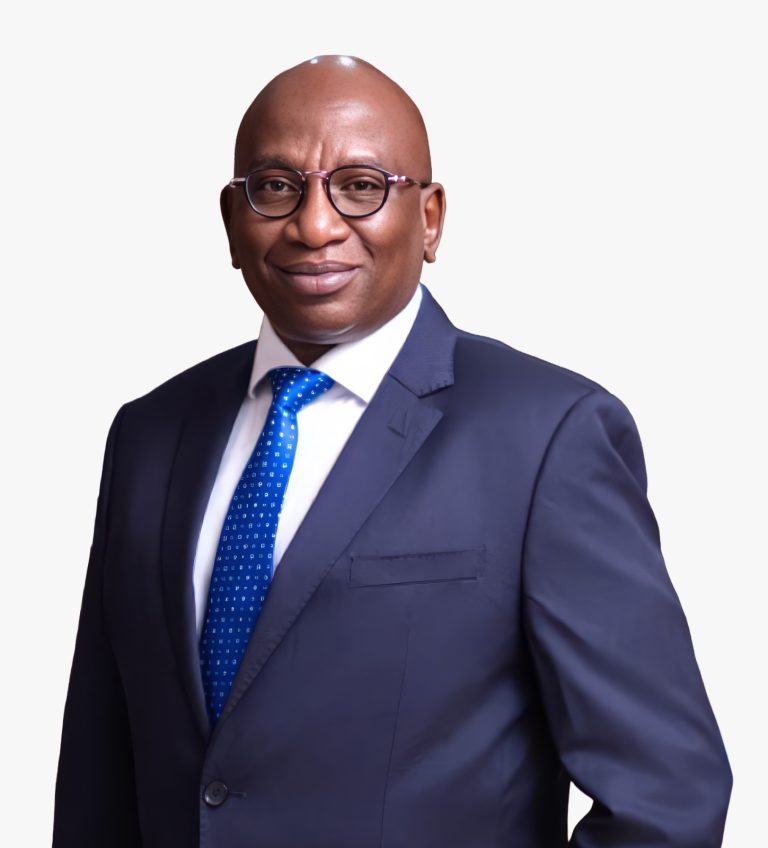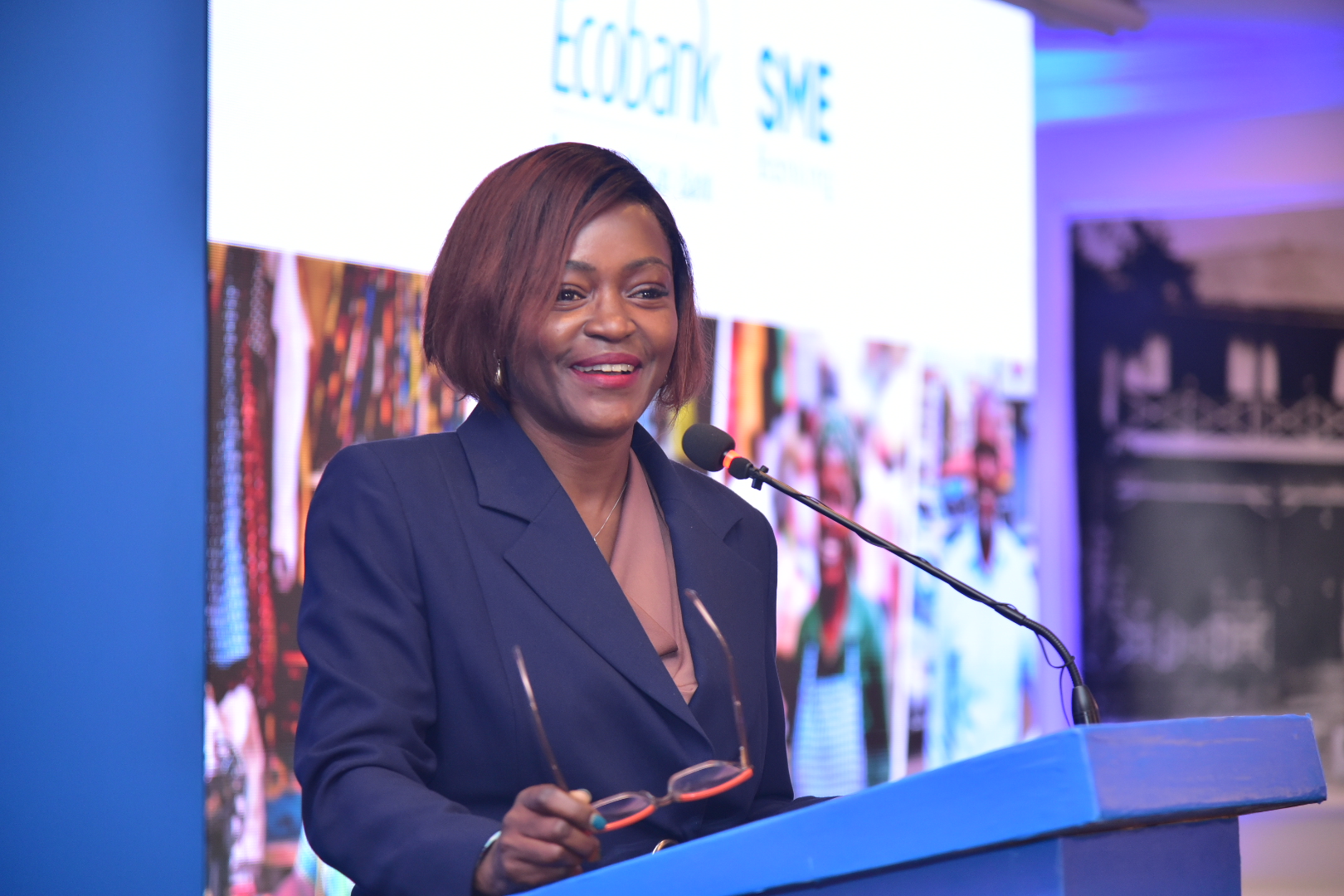
Ecobank Kenya Managing Director Rebecca Mbithi
With a US$19 billion financing gap and 7.4 million enterprises in need of support, the pan-African lender is putting SMEs at the centre of its growth strategy
By Grace Wanja
Ecobank Kenya yesterday reaffirmed its commitment to Kenya’s small and medium enterprises, pledging faster lending decisions, tailored financial products and expanded non-financial support as the bank positions the sector as central both to the country’s economic future and to its own strategic ambitions on the continent.
Managing Director Rebecca Mbithi made the declaration at a breakfast gathering of entrepreneurs, industry leaders and ecosystem partners held under the theme “Empowering Your Business for Sustainable Growth” — an event that was part conversation, part call to arms for a sector that drives the country’s economy yet continues to struggle for the support it deserves.
The numbers alone explain the urgency. According to the Kenya National Bureau of Statistics, Kenya is home to approximately 7.4 million micro, small and medium enterprises, which together contribute roughly 34 per cent of gross domestic product and sustain nearly 16 million jobs. Yet the International Finance Corporation estimates the country’s SME financing gap at more than US$19 billion — approximately KSh 2.5 trillion — a chasm that represents both a national challenge and, for banks willing to move seriously into the space, a significant opportunity.
Mbithi, who took the helm at Ecobank Kenya in February this year after a five-year tenure as chief executive of Family Bank, was unambiguous about where the bank stands. “SMEs are not simply another customer segment to us,” she said. “They are innovators, manufacturers, traders, service providers and job creators who drive Kenya’s economy every day. They are the heartbeat of Kenya’s economy and are central to Ecobank’s purpose.”

That purpose, she argued, is rooted in the institution’s origins. Founded in 1985 with an explicit mandate to finance African enterprise, Ecobank has grown into one of the continent’s leading financial institutions, with operations across 34 African markets and an international presence spanning France, the United Kingdom, Dubai and China. “Ecobank was founded to finance African enterprise,” Mbithi said. “Supporting entrepreneurs is part of our DNA. As African businesses increasingly look beyond their domestic markets, they need a banking partner with the regional footprint, expertise and networks to support that ambition.”
To help bridge the financing gap, the bank is broadening its suite of SME products — including working capital facilities, asset and stock financing, unsecured lending for qualifying businesses, trade finance, foreign exchange services and digital banking platforms. Mbithi also highlighted the bank’s Single Market Trade Hub, a proprietary platform that gives Kenyan businesses access to verified buyers and sellers across the continent, alongside real-time intelligence on trade requirements and product flows in different African markets.
Recognising that capital alone is rarely enough, Ecobank is deepening partnerships with the African Guarantee Fund and Melanin Kapital to reduce lending risk and provide business advisory services — giving entrepreneurs access not just to money, but to the skills and networks needed to deploy it effectively.
One of the morning’s most resonant moments came from Flora Mutahi, founder and chief executive of Melvin Marsh International and a non-executive director on Ecobank Kenya’s board, who drew on her own entrepreneurial journey to encourage SMEs to invest in continuous learning and strategic partnerships. Her account was a reminder that the distance between a struggling business and a thriving one is often less about capital than it is about knowledge, networks and resolve.
The scale of Ecobank’s continental SME operation gives its Kenyan commitments credibility. Across Africa in 2025, Ecobank Group served more than 4.5 million MSMEs, trained over 90,000 entrepreneurs digitally across 25 countries, reached more than 929,000 micro and retail women-owned enterprises and disbursed over US$783 million to female-owned businesses. Those figures earned the group recognition from Euromoney as Africa’s Best Bank for SMEs — an accolade that reflects both its reach and its intention.
For Kenya’s entrepreneurs — navigating high operating costs, patchy infrastructure and a financing environment that has long favoured larger corporates — Ecobank’s renewed commitment is welcome. Whether the bank can translate yesterday’s breakfast conversation into measurable change on the ground is the question that will matter most to the millions of small business owners who keep this economy moving.
Similar Posts by The Mt Kenya Times:
- Mt Kenya Times ePAPER September 19-20, 2026
- Kenya joins US and UK to put citizens on the terrorism frontline
- Kenya’s parliament races to tame the AI frontier
- Kalonzo calls Ruto to order over Uhuru attacks
- Gachagua takes his 2027 campaign to America
About the Author