Kenya to establish 10 bamboo nurseries as Meru expo puts sector in national spotlight
 The Mt Kenya Times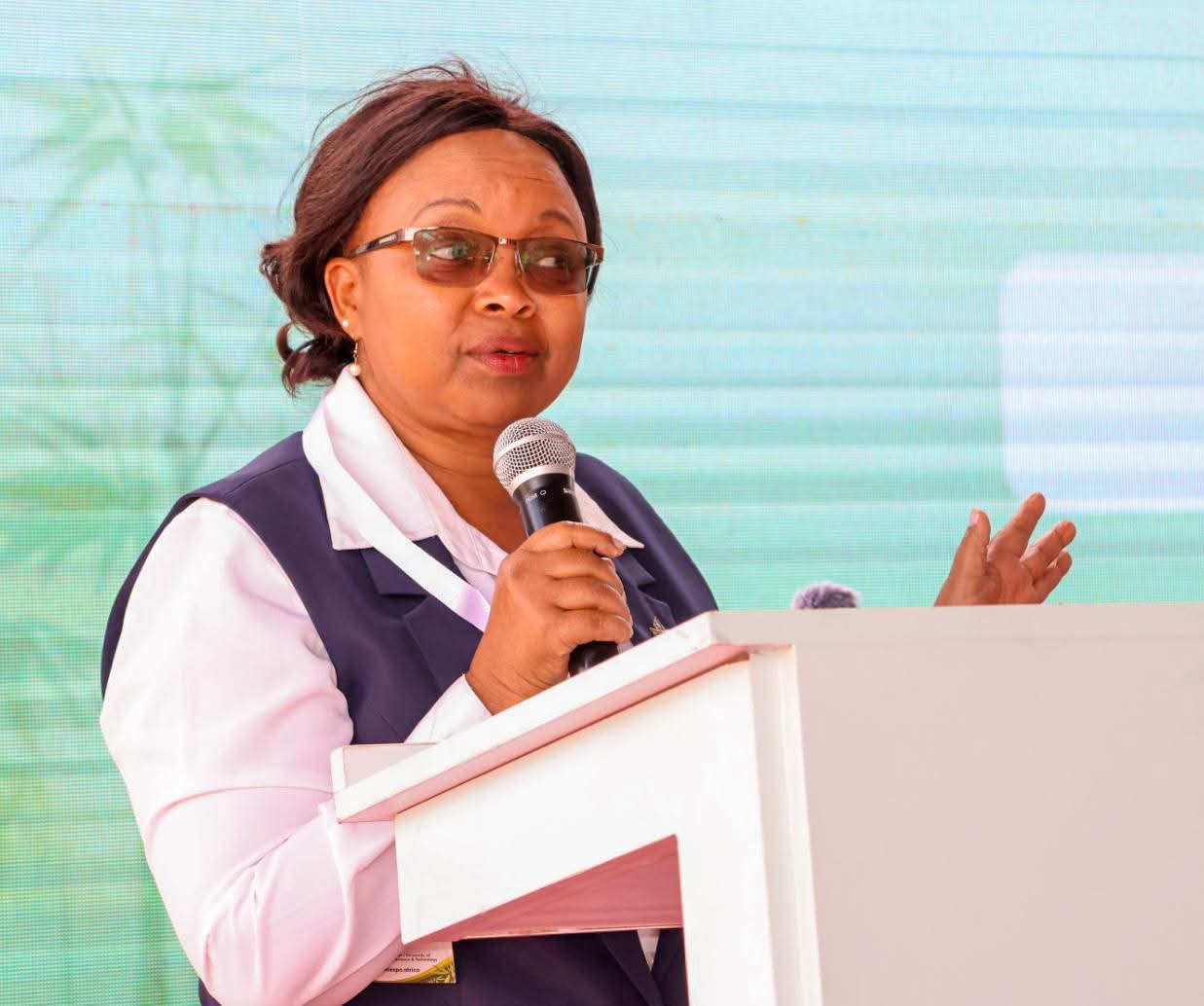
Kenya Forestry Research Institute, Director General, Dr Jane Njuguna
KEFRI Director General Jane Njuguna makes the case for research-led bamboo development as the government commits to propagating more than 10 million seedlings
By John Kariuki
The government yesterday announced plans to establish ten bamboo nurseries across the country with a combined capacity to propagate more than ten million seedlings, as Cabinet Secretary for Environment, Climate Change and Forestry Deborah Barasa opened the National World Bamboo Expo 2026 at Meru University of Science and Technology.
The announcement, made before an audience of farmers, investors, researchers and sector stakeholders, marked one of the government’s most concrete public commitments yet to scaling bamboo as a component of the national tree-growing campaign and green economy agenda.
Kenya Forestry Research Institute Director General Jane Njuguna, whose institute has been at the centre of research into bamboo propagation, species development and value chain support, was among the senior officials present. For KEFRI, the expo represented both a platform and a validation — the kind of public, policy-level attention to bamboo that the institute’s research work has been building toward.
“Bamboo has the potential to move well beyond being viewed as a forest resource,” Njuguna said, outlining KEFRI’s role in supporting sustainable development across the sector. “Research and innovation are what connect the resource to the economy.”
Barasa toured exhibition stands displaying bamboo products developed through processing and value addition, among them butter knives, cups, gutters, chicken feeders and toothbrush holders — a range that illustrated the breadth of what the sector can produce when research informs enterprise. She commended exhibitors for the creativity on display, called for greater investment in bamboo processing and assured stakeholders of government support, saying Kenya was open to investment in the sector.
The expo, held under the theme “Sustainable bamboo for climate action, economic growth and empowerment,” was also attended by Meru Deputy Governor Linda Koome, Forestry Administration Secretary Patrick Meso and Meru University of Science and Technology Vice Chancellor Romanus Odhiambo.
KEFRI’s presence at the event reflects the institute’s expanding role at the intersection of forestry science, climate policy and economic opportunity. As the government scales up its tree-growing and environmental restoration programmes, the institute’s technical capacity in bamboo research — covering species selection, propagation methods, sustainable harvesting and value addition — positions it as a critical partner in translating policy commitments into practical outcomes on the ground.
The planned nurseries, once operational, will require precisely the kind of research-backed propagation knowledge that KEFRI has been developing. Njuguna’s stewardship of the institute places it in the conversation not merely as a research body, but as an institution whose work feeds directly into Kenya’s climate resilience and livelihood agenda.
The Meru expo offered more than a product showcase. It served as a national forum for farmers, researchers, investors and policymakers to examine how bamboo — as a single versatile resource — can connect environmental conservation with commercial and community opportunity. For KEFRI and its Director General, it was a moment that put the institute’s years of forestry research in front of the audience that can act on it.
Similar Posts by The Mt Kenya Times:
- Mt Kenya Times ePAPER September 19-20, 2026
- Kenya joins US and UK to put citizens on the terrorism frontline
- Kenya’s parliament races to tame the AI frontier
- Kalonzo calls Ruto to order over Uhuru attacks
- Gachagua takes his 2027 campaign to America
About the Author