Lamu’s $16B gamble: Africa’s biggest refinery divides the region
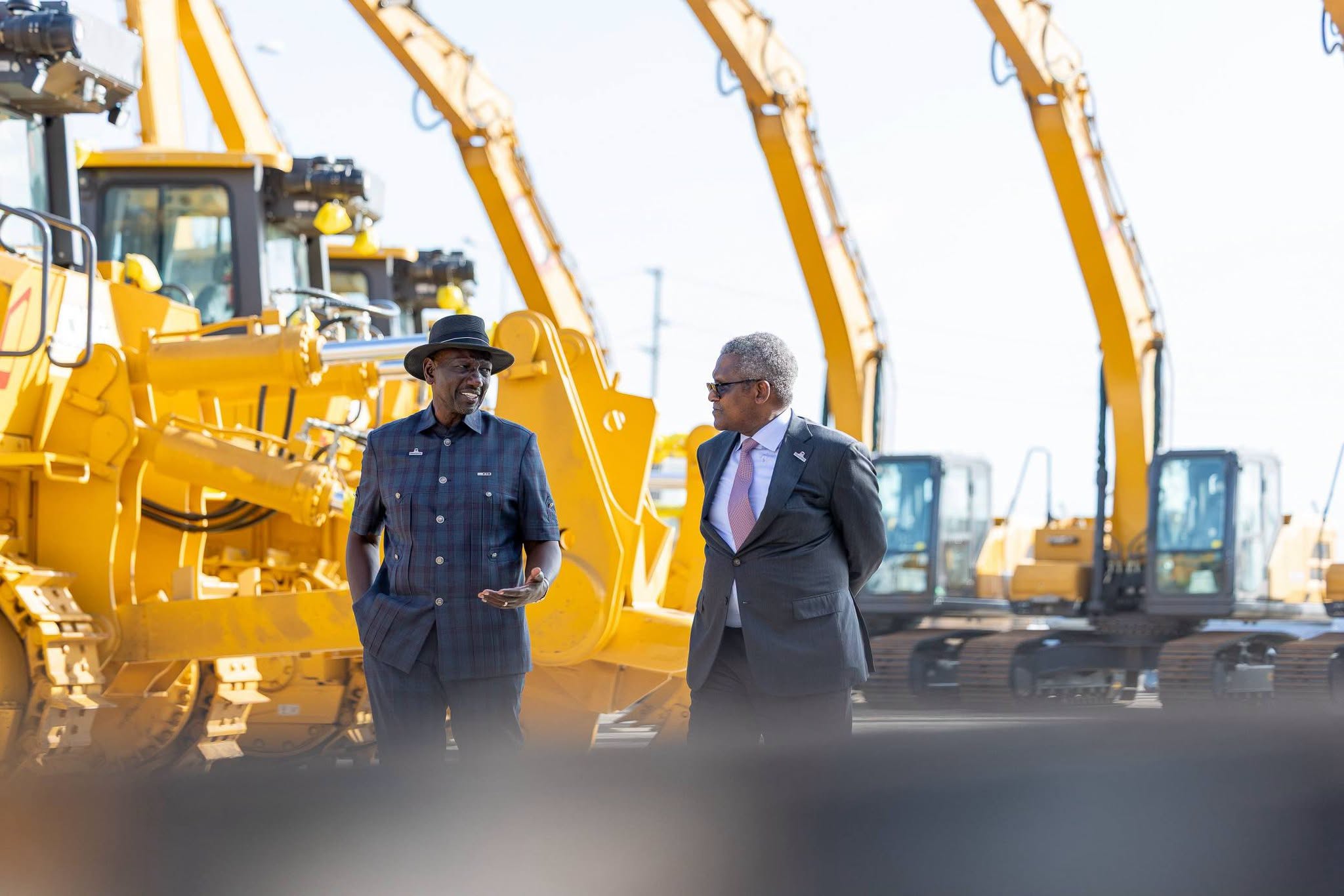
President William Ruto and Nigerian industrialist Aliko Dangote yesterday broke ground on the KSh2.2 trillion ($16B) Dangote East Africa Petroleum Refinery in Lamu
Five heads of state broke ground in Lamu yesterday, but Uganda’s refusal to invest exposes the fault lines beneath East Africa’s most ambitious energy project
By David Kimani
President William Ruto and Nigerian industrialist Aliko Dangote yesterday broke ground on the KSh2.2 trillion ($16B) Dangote East Africa Petroleum Refinery in Lamu, launching what is set to become the largest oil refinery in East and Central Africa — but the ceremony exposed as many divisions as it celebrated ambitions.
The groundbreaking was attended by the presidents of Uganda, Yoweri Museveni; Benin, Romuald Wadagni; and Togo, Jean-Lucien Savi de Tové, as well as Ethiopian Prime Minister Abiy Ahmed. Former Nigerian President Olusegun Obasanjo and senior representatives from other African countries also attended the ceremony. Notable by their absence were Tanzania’s Samia Suluhu Hassan — who sent a deputy minister — and Rwanda’s Paul Kagame. Tanzania’s president had publicly reprimanded Ruto in May 2026 for unilaterally announcing a joint oil refinery in Tanga without prior consultation.
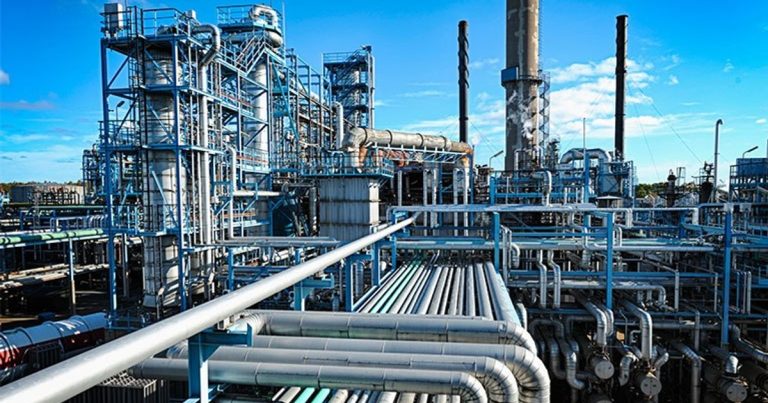
The refinery, being developed by Dangote Industries, is designed to process up to 700,000 barrels of crude oil per day, making it one of Africa’s largest planned refining facilities. Beyond petroleum, it is an integrated industrial complex anchoring a 1,000MW power plant, a plastics factory and fertiliser and chemicals manufacturing. Ruto said the project would boost Kenya’s economy by 12 per cent, attract $4B in annual foreign direct investment during its four-year construction phase and create 60,000 direct jobs. Refined petroleum products are targeted for countries including Uganda, Tanzania, Ethiopia, South Sudan, Rwanda, Burundi and the Democratic Republic of Congo.
“For too long, Africa has exported raw materials and imported finished products, exporting wealth and jobs,” Ruto told the assembled leaders. “We are firm in our determination to reverse this trend.”
Dangote, whose Lagos refinery already processes 650,000 barrels per day, cited Lamu’s deeper waters, suitable ground and access to the Indian Ocean as the factors behind choosing Kenya over Tanzania. He said he expected Ruto and other African leaders to return to commission the refinery within 40 months.
The loudest dissent came not from an absentee but from a guest. Museveni attended the ceremony yet made clear, to laughter from the audience, that Uganda was not investing. He said Uganda had long planned to establish a small refinery in Hoima to serve its domestic market and parts of the interior of Africa, and wanted first to establish what had happened to an earlier regional plan to site a refinery at Tanzania’s Tanga port. “I want to discuss with President Samia and Ruto and find out what happened to that refinery of Tanga, what was the problem, so that we harmonise,” Museveni said.
Uganda and Kenya were originally supposed to build a pipeline together to get oil from Lake Albert to Lamu Port, but Uganda pivoted to Tanzania, committing its crude to a pipeline running to Tanga. With commercial production yet to begin in Kenya’s own oil fields, and the South Sudan pathway also stalled, the Lamu refinery could be forced to rely on volatile international markets for its crude supplies — a vulnerability that neither Ruto nor Dangote addressed directly yesterday.
The project is expected to draw 70 per cent of its financing from debt and 30 per cent from equity, with regional governments approached about taking stakes. Museveni’s refusal to commit leaves a significant gap in that regional ownership model. The emerging projects at Lamu, Tanga and Hoima are now positioning Kenya, Tanzania and Uganda as competing petroleum hubs, with consequences for landlocked markets including Rwanda, Burundi, South Sudan and eastern DRC.
The project faces additional headwinds at home. A Kenyan court has ordered preservation of parts of the site pending proceedings in a case brought by local residents over land and compensation disputes, though Ruto dismissed the legal challenges as attempts at extortion and vowed construction would proceed.
Dangote’s ambition is not in doubt. What Lamu now needs is crude, capital and the kind of regional solidarity that yesterday’s ceremony promised but did not quite deliver.
Similar Posts by The Mt Kenya Times:
- Mt Kenya Times ePAPER October 1, 2026
- Museveni backs Lamu but keeps Uganda’s money at home
- Sifuna’s party wins its name — and Kenya’s opposition race begins in earnest
- Ruto launches KSh2.2 trillion Lamu refinery in East Africa’s biggest energy bet
- Keep off politics from teachers – West Mugirango MP tells off sponsors at Kiangungu Prayers Day
About the Author