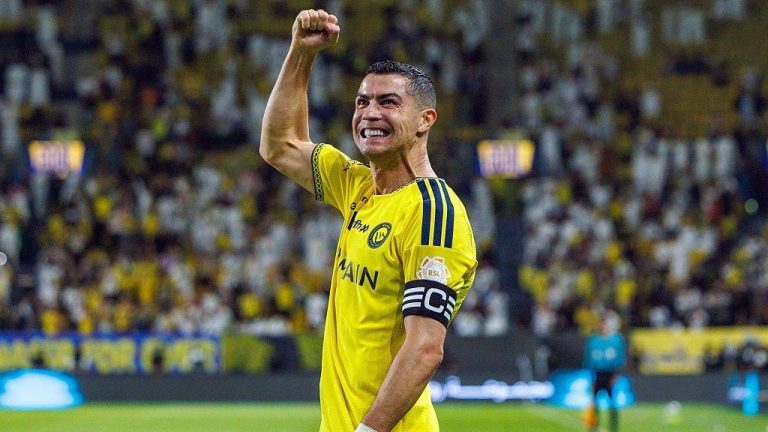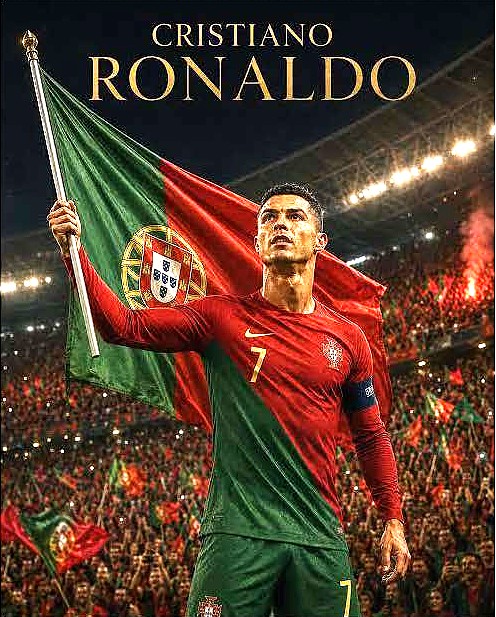
Flag bearer Cristiano Ronaldo is respected by fans globally. Photo Courtesy.
Beyond the Legend: Ronaldo, the Making of a Global Icon

By: Pragatee Gupta
Some legends are born beneath the brightest lights; others begin far from the spotlight, carrying little more than a dream. Cristiano Ronaldo’s (fans fondly know him by his surname) journey began on the Portuguese island of Madeira, where a boy’s love for football would eventually become a global phenomenon.
I never followed football passionately. Yet I knew Ronaldo’s name long before I looked beyond the fame. What drew me towards him was not simply his ability to score goals, but the discipline behind his achievements, the intensity of his ambition and the emotions he sometimes struggled to conceal.
I wondered what kind of journey could shape a person into a figure recognised across continents, even by people who rarely watch football.
Perhaps that is where Ronaldo’s story becomes more than sport. It invites us to look beyond the legend and discover the human journey behind the name.
Born in Funchal, Madeira, on 5 February 1985, Cristiano grew up in a family that faced financial difficulties. Football wasn’t handed to him on a silver platter; he had to pursue it through sacrifice and determination.
At around 12, he joined Sporting’s youth academy in Lisbon. In a later UEFA interview, he recalled how difficult the decision was for him and his parents. For a child, leaving at such a young age meant facing loneliness and uncertainty in pursuit of an ambition no one could guarantee.
His talent developed quickly. By his teenage years, he was training with senior groups at Sporting. In 2003, an impressive performance against Manchester United helped secure his move to England.
At 18, he began life in a different country, surrounded by experienced, respected players, and faced new challenges.
His rise was extraordinary, but it wasn’t talent alone. It demanded adaptation, persistence and a willingness to keep learning.
Madeira gave him his beginning. Lisbon provided the opportunity. What followed would transform his life—and football history.
At Manchester United, Ronaldo grew from an exciting young winger into a decisive goal scorer. His first Ballon d’Or, won in 2008, marked his arrival among football’s elite.
His 2009 move to Real Madrid opened another remarkable chapter. He scored 451 goals in 438 competitive appearances for the Spanish club, helping it win four UEFA Champions League titles. Later came Juventus, a return to Manchester United and a new challenge with Saudi Arabia’s Al-Nassr.
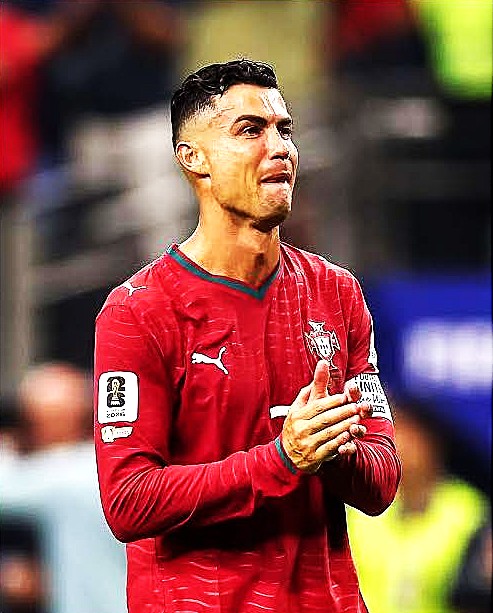
His achievements are extraordinary, but they reveal as much as they do. Reaching the top requires ability; remaining competitive for years demands continual effort, adaptation and discipline.
The world sees the goals, celebrations and trophies. It rarely sees the repetition behind them—the training, preparation and countless hours spent refining a skill that spectators may witness for only a few seconds.
Ronaldo’s career success is not a single moment of brilliance. It is often the accumulation of decisions made before anyone begins applauding.
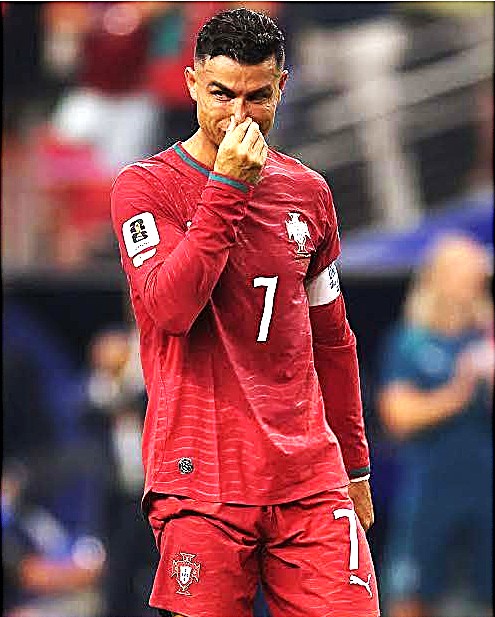
His public image is closely associated with confidence, competitiveness and an uncompromising desire to win. Yet his emotional reactions have also revealed how intensely he experiences the game.
We often expect successful people to appear strong in every situation. Ronaldo’s tears, frustration and visible disappointment challenge the idea that greatness requires emotional invulnerability.
His reactions will not always be interpreted positively, and admiration shouldn’t prevent fair criticism. Competitive intensity can inspire extraordinary performances.
I cannot claim to know Ronaldo personally, and I would not pretend that public appearances reveal his entire character. What I find compelling is the reminder that even the most celebrated athletes experience pressure, disappointment and vulnerability.
Football has given him international recognition, but it has also placed him under constant scrutiny. Every performance invites judgement, and every reaction can become a global discussion.
Perhaps that’s why his story reaches beyond football. Most of us will never experience the pressure of a stadium filled with thousands of spectators. Yet, we understand what it means to care deeply about something, fear failure, and struggle with the expectations placed on us.
Ronaldo’s fame extends far beyond the pitch. His name is tied to international brands, commercial success, and a lifestyle few people will experience. But influence can be measured in more than visibility.
In 2013, he joined Save the Children as a Global Artist Ambassador, supporting efforts to address child hunger and obesity and promote healthier lives for children. His involvement showed how a celebrated athlete’s public reach can draw attention to causes beyond sport.
Charitable work alone cannot tell us everything about a person, just as wealth and fame cannot define an entire life. Nevertheless, using public influence to support meaningful causes shows how sporting recognition can reach beyond competition.
Ronaldo’s career has also attracted controversy and criticism. In October 2026, the Portuguese Football Federation suspended him for 30 days after he left the national-team camp amid a disagreement over his role. He later apologised for leaving his teammates and failing to acknowledge supporters, and said he was willing to represent Portugal again.
This reminds us that even an exceptional career comes with consequences. A serious tribute need not conceal uncomfortable moments. Recognising a person’s achievements while examining their mistakes honestly makes the account more credible.
Admiration should encourage us to look more closely, not stop us from asking questions.
Ronaldo’s relationship with Portugal represents one of the defining parts of his career. He made his senior international debut in 2003 and gradually became the face of a generation of Portuguese football.
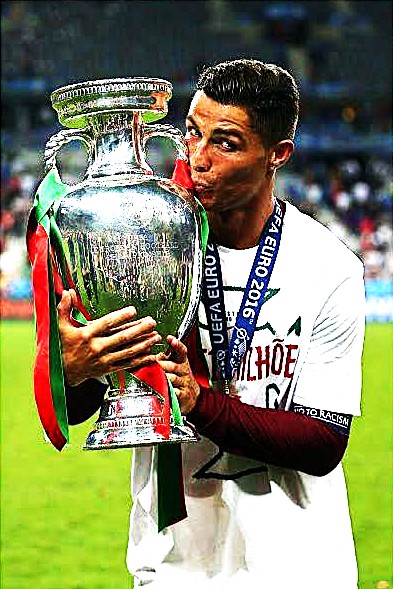
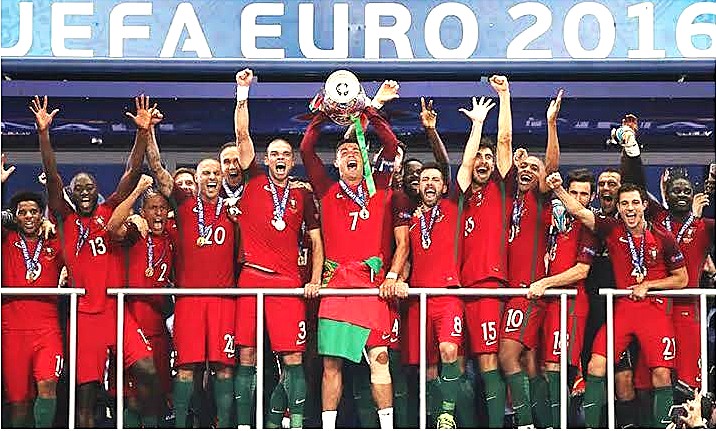
At EURO 2004, Portugal reached the final but lost to Greece. Twelve years later, the country returned to the European Championship final. Ronaldo had to leave the match against France through injury.
He watched from the sidelines as his teammates secured a 1–0 victory after extra time. Portugal had won its first major senior men’s international title. That triumph belonged to an entire team.
Ronaldo’s journey as captain formed an important part of the occasion supporters would remember.
By September 2026, UEFA recorded him as Portugal’s most-capped men’s international player, with 234 appearances and a world-record 146 international goals.
These numbers represent more than individual excellence; they reflect an amazing service to his country.
A player may represent several clubs throughout a career, but a national shirt carries a different meaning. For Ronaldo, Portugal connects his international achievements to the place where his story began.
He has helped put his country’s name in front of audiences worldwide. Portugal, in turn, has given his achievements a national identity and a place in a shared sporting history.
In August 2026, Ronaldo said the current year was probably his last in professional football. His words brought a question that once seemed distant into sharper focus: what happens when a career that has defined an era finally ends?
His comments reflected his thinking, not a formal retirement announcement. That distinction matters. Until he makes a definitive decision, the end of his playing career remains a developing story.
For fans who began watching football because of Ronaldo rather than out of lifelong devotion to the sport, the thought carries a particular emotional weight. His possible departure would mean more than losing the opportunity to watch a celebrated player. It would mark the approaching end of a sporting chapter that has influenced people far beyond football’s traditional audience.
Still, retirement is a personal decision. Supporters may want another season, another goal, or one last unforgettable performance. But the athlete who has lived through a career’s demands must ultimately decide when to move forward.
I would not want Ronaldo to continue because the world is reluctant to say goodbye. Nor should his achievements be reduced to a countdown towards his final match.
A career deserves to be remembered for its entire journey: the beginnings, the breakthroughs, the disappointments, the comebacks and the moments that brought people together.
Not everyone inspired by Ronaldo will become a footballer. Not everyone who admires him will share his ambitions. Yet his journey offers lessons that extend beyond sport.
Talent can open doors, but dedication helps us make use of opportunities. Success, however impressive, does not remove the need to keep learning.
His story does not promise that hard work will bring everyone fame or extraordinary wealth. Life is more complicated than that. Everyone faces different circumstances. But it reminds us not to decide our limits too early or mistake a difficult chapter for the end of our story.
I do not know when Ronaldo will finally leave football. What we know is his influence has reached people who may never step onto a professional pitch.
His journey has given reasons to look more closely at the game—and at the determination, sacrifice, and humanity behind sporting greatness.
One day, the stadiums will welcome new stars. Records will be challenged, and another generation will create its own unforgettable moments.
Ronaldo’s story will remain part of football’s collective memory.
Beyond the legend is a journey. Beyond the records is a human story. Beyond the final whistle lies the possibility that one person’s determination may continue to inspire others long after the game ends.
Pragatee Gupta is an Award-winning journalist, writer, and photographer..
Editing: Shamlal Puri, Senior Editor, London
Similar Posts by The Mt Kenya Times:
- Mt Kenya Times ePAPER October 31 – November 1, 2026
- Two Kenyan firms join African nature-economy accelerator targeting $10m investment
- Waiguru to commission Kianyaga Level IV hospital and eyes deputy president seat
- Gachagua, Kalonzo and Wamalwa take opposition campaign to Juja in Kiambu
- Ronaldo closes in on 1,000 goals with Al-Nassr hat-trick
About the Author