The Mt Kenya Times
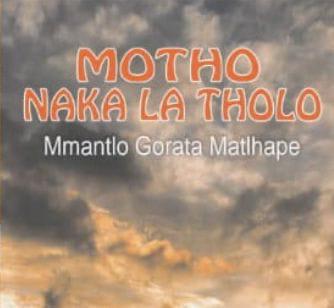
Mmantlo Gorata Matlhape
By: Paula O. M. Otukile
1.When did you start to write ?
My true turning point for writing came during the COVID 19 lockdown. I wrote gradually over months—picking up the pen whenever inspiration returned—until my thoughts transformed into a complete manuscript. Above all what drove me Above all, what drove me to take that final leap was a deep desire to preserve the Setswana language and paint an honest, unfiltered portrait of traditional Botswana lifestyle and culture.
- What inspired you?
For me to write this book I was deeply inspired by the profound wisdom and intelligence of our forefathers. Batswana and African elders crafted proverbs that captured the absolute deepest truths of human nature and life in general. Through Motho Naka La Tholo, I wanted to honor that ancestral wisdom and also showcase the natural beauty of Botswana flora, fauna and landscapes. Through literature potential tourists can experience our authentic environment. Above all literature serves as a powerful voice for the community. It gives expression to the unspoken realities, struggles, and truth that everyday people experience. Stories raise awareness, warn society, and inform leaders about deep seated issues that might remain overlooked.
3 .Do you see growth in book sales?
As an independent publisher sales have been a real struggle, but I don’t believe this is due to lack of interest in Setswana literature. I think market challenges are not about a lack of readers, but about how we reach them. To see real growth, independent authors have to step outside traditional channels, build direct connections with our audience, and create our own readership through digital platforms.
Question 4: What do you plan to do in terms of marketing?
 I plan to set up a dedicated Facebook author page, I want to create an interactive space where readers are actively involved.
I plan to share literary teasers and excerpts from Motho Naka La Tholo designed to spark discussion. From those teasers, I will pose thought-provoking questions for readers to answer, debate, and unpack together. This approach keeps our Setswana language alive, active, and thriving in digital spaces where we can learn new vocabulary together.
- Advocacy and literature
I believe advocacy can play important role in growing the readership of African literature. Partnerships can help expose books to new audiences and encourage a stronger culture of reading. Partnering with other writers, book clubs, schools , libraries , and cultural stakeholders helps promote our stories. Without organisations like Mulher Forte African Literature many independent local writers would lack the platform and exposure needed to reach wider markets.
- Lack of market is a common story in Southern Africa.What do you think is the cause, and do you think literature will make it?
I believe the challenge is not necessarily that the people do not want stories but that literature does not always reach readers in in ways that are attractive to them . For example the core cause of our shrinking market may be due to a major shift in how society spends leisure time. Social media platforms like Facebook, TikTok, WhatsApp, and television have taken over our daily lives, replacing the quiet habit of reading. The upcoming generation in particular is completely captured by fast, visual content, leaving little patience or time for traditional printed literature.
Despite this I believe literature will make it provided it adapts to modern reality, we must bring our stories to them through formats they already consume. That is why my long-term goal is to adapt Motho Naka La Tholo into a film. Screen adaptations bridge the gap between literature, visual culture, and tourism. By bringing our written pages to the screen, we can showcase Botswana’s rich landscapes, wildlife, and village life to global viewers, inspiring tourism while preserving the story’s core messages, warnings, and Setswana cultural depth
- Any word of encouragement to a young author facing writer’s block ?
My advice to a young writer feeling stuck is to stop worrying about completing a whole book all at once. Writing is a gradual journey that requires true determination and dedication. When the desire or inspiration comes, write as much as you can. When it stops, take a step back and let your thoughts rest without beating yourself up. Pick up your pen again only when the desire returns.
Do not let the pressure of the finished product defeat you before you even begin. Start small, write at your own pace, and focus on telling your story truthfully.”
Similar Posts by The Mt Kenya Times:
- Kingdom Bank charts new path for MSME growth through chamber partnership
- Mt Kenya Times ePAPER September 25, 2026
- Babu Owino’s party predates Linda Mwananchi, clarification shows
- Anglican church tells Kenyans: The country is getting worse and silence is complicity
- Sifuna set for UDP presidential unveiling as Western Kenya bids to field its own candidate
About the Author