Kenya’s political marketplace is shifting as a more demanding electorate challenges the old brokerage model ahead of the 2027 General Election.
By Fredrick Chelimo
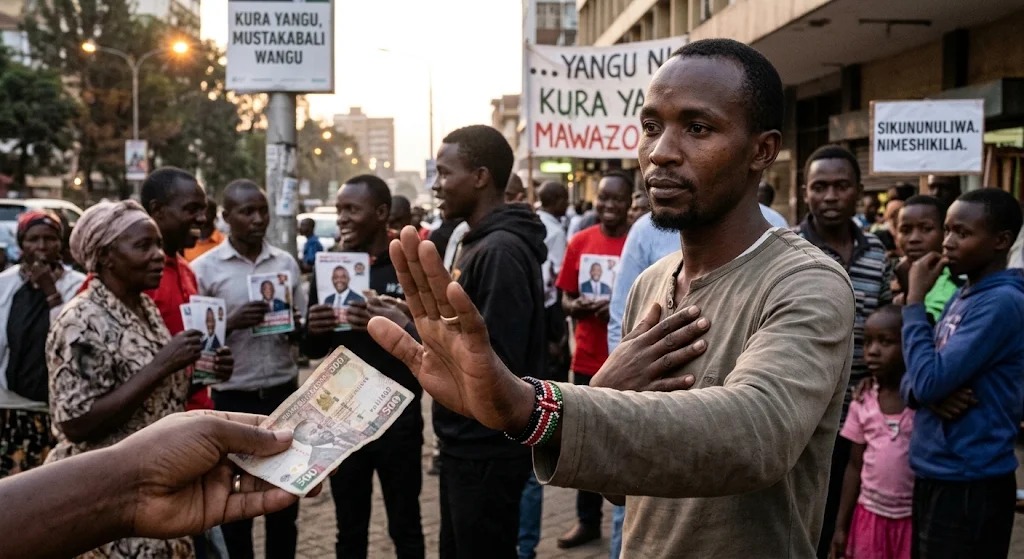
Kenya is becoming a politically dynamic marketplace, its traditional power brokers declining in influence as a more demanding electorate reshapes the rules of engagement ahead of the 2027 General Election. Beneath the familiar rally circuits, party defections, coalition negotiations and declarations of regional loyalty, something fundamental is changing. The traditional political marketplace — where influential personalities claim the ability to deliver entire communities, constituencies or voting blocs in exchange for financial and political reward — is confronting an electorate that is increasingly difficult to predict. As the old saying goes: a political broker may negotiate access to voters, but only the voter can decide who deserves the mandate.
This phenomenon, widely described as political wholesaling, has long occupied a central place in Kenyan electoral politics. Political brokers, community influencers, former elected leaders and self-appointed regional kingpins have presented themselves as custodians of political loyalty. Their proposition is straightforward: provide the resources, recognise our influence, and we shall deliver the votes. The arrangement rests, however, on a questionable assumption — that voters are political commodities whose choices can be negotiated by intermediaries on their behalf. The changing political mood suggests otherwise.
Recent opinion surveys examining the popularity, likeability and political standing of prominent Kenyan personalities have unsettled sections of the established political class. Familiar names no longer enjoy automatic public acceptance, while relatively new voices are attracting growing attention. More significantly, economic frustrations — unemployment, taxation, healthcare costs and the rising cost of living — are reshaping how citizens evaluate political leadership.
The distinction between popularity and electability has consequently become sharper. A politician may command public recognition, draw large crowds and attract favourable social media attention without necessarily holding the confidence of voters at the ballot box. This is where political wholesalers face their greatest challenge. They may organise meetings, negotiate alliances and assemble impressive delegations, but they cannot guarantee that those attending will vote according to instruction. Attendance is not endorsement. Applause is not commitment. A photograph with a political heavyweight is not an electoral contract.
Kenya’s experience mirrors developments in other democracies. In Brazil, social programmes such as Bolsa Família demonstrated how practical poverty-reduction interventions could strengthen political confidence beyond traditional patronage networks. India’s Aam Aadmi Party built substantial support through its emphasis on anti-corruption, education and accessible public services. South Korea’s candlelight demonstrations showed how organised citizens could demand accountability beyond the reach of established political elites.
Kenya has its own lessons. The 2022 General Election demonstrated that established alliances and presumed ethnic voting patterns could be disrupted. William Ruto’s victory illustrated the possibilities of building a coalition around economic messaging and perceived political exclusion. Ethnicity, party machinery and patronage remain influential nonetheless. The lesson is not that traditional politics has disappeared, but that its ability to guarantee electoral outcomes is diminishing.
Three developments explain this transition. First, the economic experience of ordinary Kenyans has become a political scorecard. A farmer wants affordable agricultural inputs, reliable markets and reasonable returns. A young person wants employment and opportunity rather than endless campaign promises. A parent wants affordable education, while a person with a disability expects accessible healthcare, economic participation and respect for constitutional rights. Political rhetoric becomes irrelevant when it cannot respond to these everyday realities.
Second, digital communication has weakened the monopoly previously enjoyed by political intermediaries. Citizens can now interrogate statements, compare promises against performance and challenge political narratives almost immediately. Political communication is no longer controlled exclusively by those who claim to speak for entire communities. Online popularity, however, must not be mistaken for genuine electoral support.
Third, voters are growing impatient with political blame games. Politicians blame predecessors; predecessors blame successors; and government officials cite inadequate resources. Yet citizens want straightforward answers: What did you promise? What did you accomplish? Where did you fail, and what will you do differently?
This presents a particular challenge to former governors, ministers, legislators and senior public officials seeking another term in office. Experience is an advantage only when accompanied by demonstrable results. Previous positions should invite accountability, not permanent political entitlement.
For aspiring politicians, the implications are substantial. The successful campaign of tomorrow must be built around credibility, public engagement and measurable commitments rather than expensive delegations and negotiated voting blocs. Candidates must understand their constituencies before presenting manifestos. They must engage farmers, traders, young people, women, professionals, persons with disabilities and other community groups to identify genuine priorities. Their proposals should be realistic, financially explainable and consistent with the constitutional responsibilities of the offices they seek.
Political organisations must equally reconsider the role of grassroots representatives. Community leaders should facilitate dialogue, communicate public concerns and strengthen participation — not claim ownership of people’s votes. A campaign that only reports favourable opinions to its candidate is a political liability. Leaders need honest intelligence, not manufactured enthusiasm.
Financial transparency, integrity and continuous public accountability must become central to political organisation. Campaign resources should support legitimate mobilisation, research, voter education and genuine public engagement — not inducements designed to compromise electoral choices.
The 2027 General Election will test more than political alliances and financial muscle. It will test whether established leaders can reinvent themselves, whether emerging personalities can translate popularity into credible organisation, and whether political parties can offer practical alternatives to the electorate. Public dissatisfaction with an incumbent does not automatically translate into support for the opposition. Equally, popularity among young people does not guarantee national electoral reach. Successful political leadership requires credibility, competence, organisation, policy clarity and the capacity to unite diverse interests.
Kenya is not witnessing the death of political brokers. It is witnessing a possible decline in the political value of those who mistake influence for ownership and mobilisation for authority. The modern voter is not demanding a perfect politician — only an honest, accessible and competent leader who understands that public office is a responsibility, not a commercial investment.
The political broker may negotiate the meeting, the financier may pay for the mobilisation, and the strategist may manufacture the excitement. But the ballot belongs to the citizen. Political leadership cannot be wholesaled. It must be earned — one voter and one community at a time.
Similar Posts by Fredrick Kipchumba Chelimo:
- Diaspora Times Global Nov 14 – Nov 20, 2026
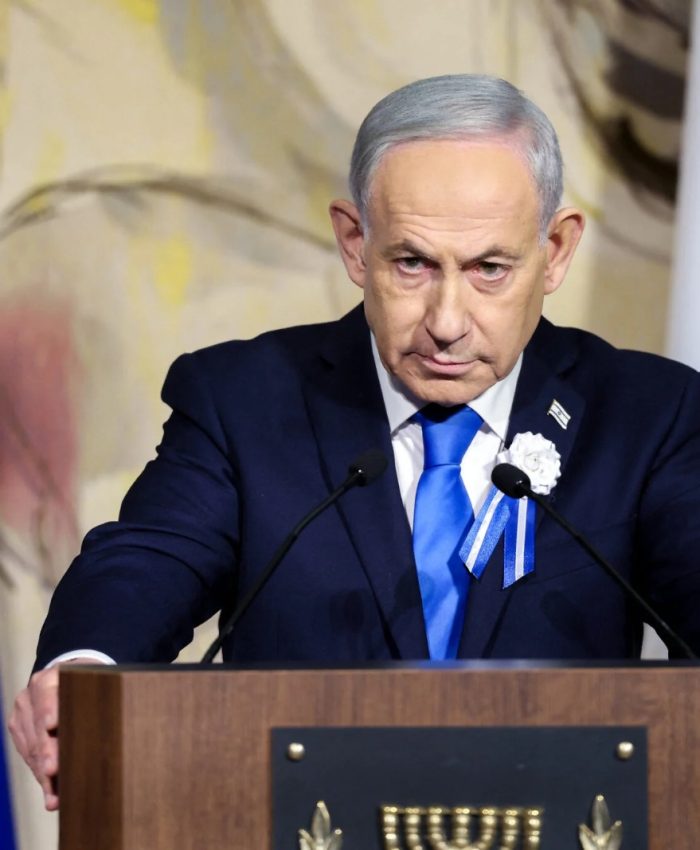
- Israel’s post-election crisis: Netanyahu and Eisenkot clash over national unity government as nuclear threat looms
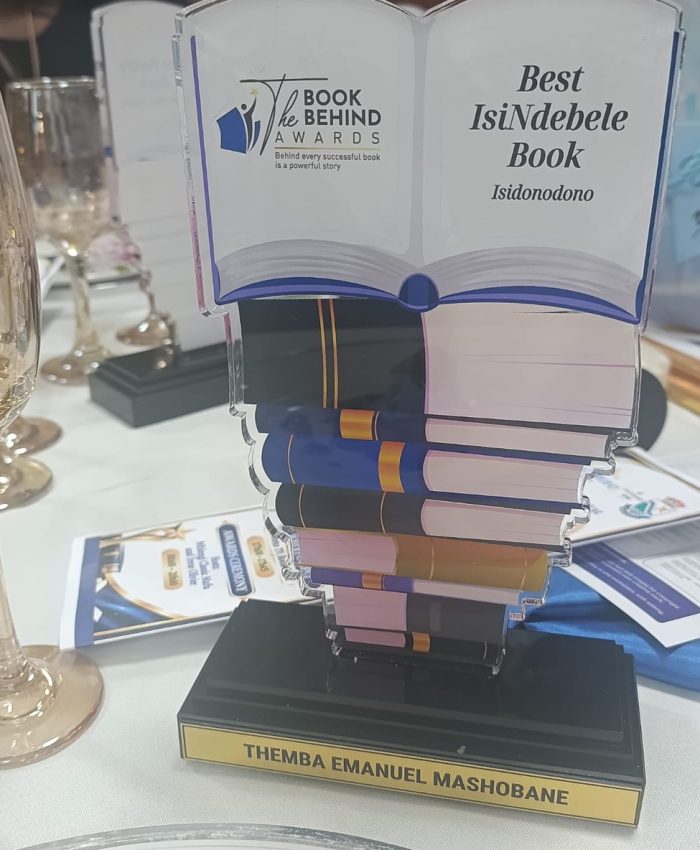
- IsiDonodono wins double awards in a landmark week for isiNdebele literature
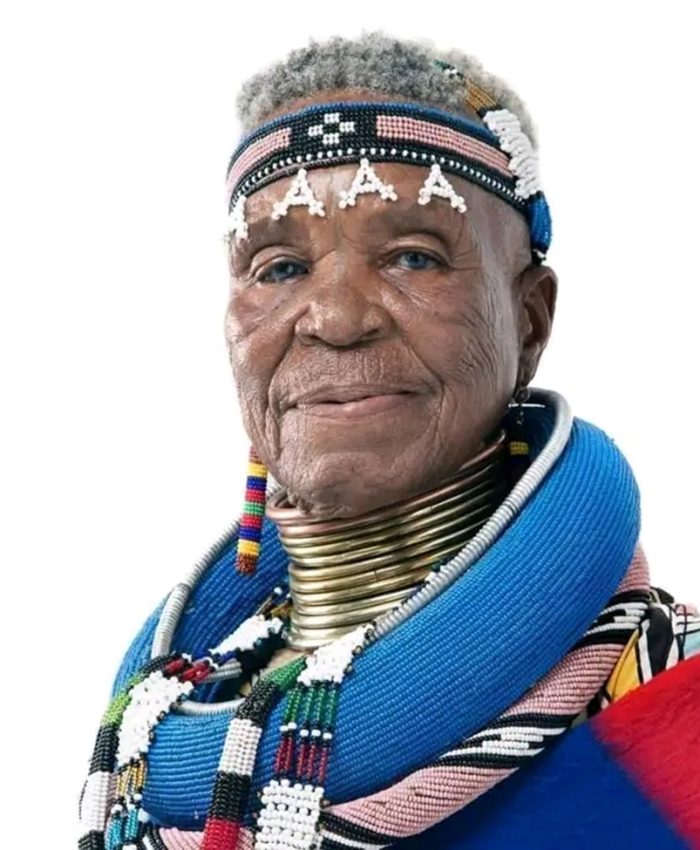
- Mahlangu turns 91: A legacy of resilience, art and grace in Mpumalanga
- The role of artificial intelligence in the modern world