The Mt Kenya Times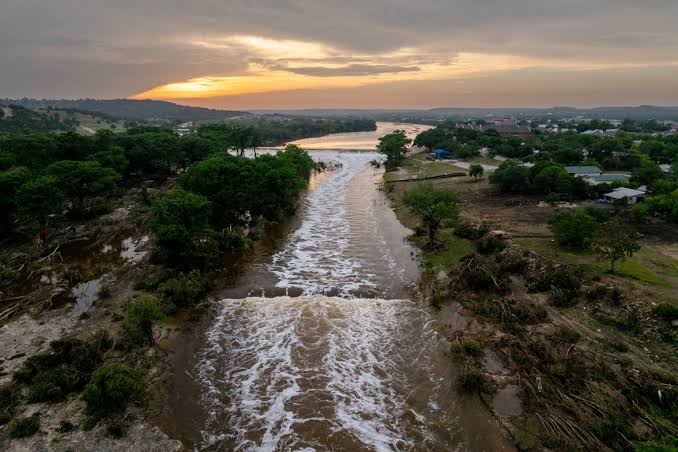
Safe water, open roads and early warning systems must be in place before the rains arrive
By Dennis Wendo
We should not wait for the next floodwaters to rise before preparing for the health emergencies that often follow heavy rains.
The country is anticipating wetter-than-normal conditions this season. El Niño should be treated not only as a weather event but as a national public health and disaster preparedness test.
We have experienced the consequences of flooding this year. By early May, floods had affected 27 counties and claimed 122 lives, while damaging roads, water systems and other infrastructure and disrupting access to essential services.
The experience should provide an important lesson. Preparedness should begin before communities are cut off, health facilities become inaccessible or disease outbreaks are reported.
One of the immediate concerns is water safety. In many cases, floodwaters contaminate wells, rivers and other water sources with human and animal waste, increasing the risk of cholera, typhoid, dysentery and other waterborne diseases.
Stagnant water creates mosquito breeding grounds, increasing the risk of malaria and other vector-borne diseases. The health consequences of flooding go beyond disease.
Displaced families usually face overcrowding, poor sanitation, food insecurity and limited access to healthcare. Pregnant women, children, older persons, persons with disabilities and people living with chronic conditions are vulnerable when health services are disrupted.
A health facility does not necessarily have to be flooded to become inaccessible. A damaged bridge, impassable road, power outage or fuel shortage can prevent patients from reaching care and emergency teams from reaching affected communities.
The Ministry of Health has already identified disease surveillance, laboratory preparedness, safe water, sanitation, risk communication and continuity of essential health services as important components of its El Niño preparedness.
The challenge now is implementation.
County governments should ensure that health facilities in flood-prone areas have adequate medicines, emergency supplies, clean water, backup power and functioning referral systems. Disease surveillance should also be strengthened at community level so unusual increases in diarrhoea, fever and other symptoms can be detected and acted upon early.
Water safety requires equal attention. Vulnerable water sources should be identified and monitored, while communities receive practical information on treating and safely storing drinking water, maintaining sanitation and avoiding food contaminated by floodwater.
Public communication remains critical. We should not have to wait for an outbreak before receiving information about safe water, sanitation, mosquito control, evacuation and when to seek medical attention.
Preparedness should also extend beyond the health sector. Disaster management agencies, water authorities, county governments, humanitarian organisations, community health structures and local leaders need coordinated plans that are operational before the rains intensify.
Mental health should not be forgotten either. Flooding results in the loss of homes, livelihoods and loved ones. Psychosocial support should therefore form part of emergency response and recovery.
Most importantly, the nation should turn the lessons of the recent floods into action. The country cannot control the rains, but it can determine how prepared it is for their consequences.
The measure of preparedness will not be the number of meetings held or contingency plans written. It will be whether communities have safe water, whether health facilities remain accessible, whether emergency teams can reach vulnerable populations and whether emerging disease outbreaks can be detected and contained early.
El Niño preparedness is ultimately about protecting lives before the crisis arrives.
Similar Posts by The Mt Kenya Times:
- Kenya’s new HIV prevention pill: Can local manufacturing change healthcare?
- Road safety awareness programme
- Ngula takes Harambee Stars pay row to tribunal
- Sometimes I wish KCPE had not been scrapped by competency-based education
- Lamu refinery: Development must never outrun the law — or leave anyone behind
About the Author