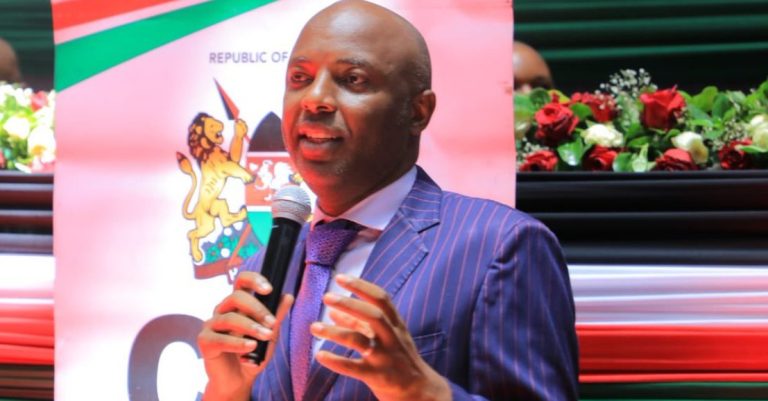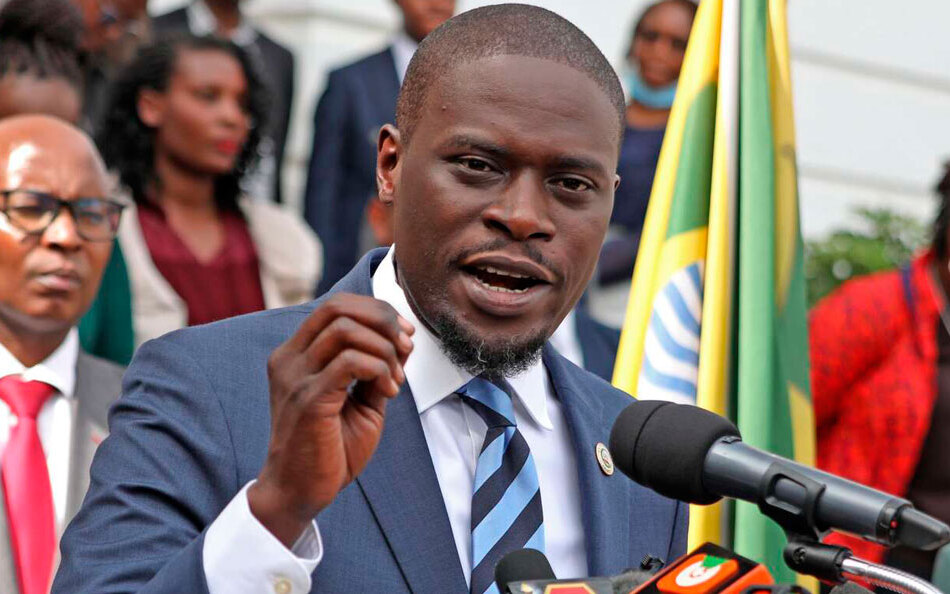
Nairobi Governor Johnson Sakaja
Nairobi Governor Johnson Sakaja’s defection to the Orange Democratic Movement reshapes the capital’s political contest and raises fresh questions about the city’s gubernatorial race.
By Yvonne Wambui
Nairobi Governor Johnson Sakaja on Monday officially resigned from the United Democratic Alliance and joined the Orange Democratic Movement, in one of the most significant political defections to emerge from the capital ahead of the 2027 General Election.
The announcement, made on Monday, immediately drew attention across Kenya’s political landscape, and for good reason. Nairobi is not just another county. It is the country’s economic engine, its most watched political battleground and the prize every serious national political formation wants firmly in its corner. When its governor changes parties, people take notice.
Sakaja’s exit from UDA — the party of President William Ruto — comes at a moment when political leaders across the country are rapidly repositioning themselves ahead of 2027. His move to ODM is widely seen as both a personal and strategic decision, shaped in part by his longstanding admiration for former Prime Minister Raila Odinga, whose influence over the Orange party and its deep roots in Nairobi’s political culture remains considerable even in his absence from the domestic scene.
ODM has historically commanded strong support in the capital, giving Sakaja a potentially powerful platform from which to defend his seat. But the move is not without risk. Several politicians have already signalled interest in the Nairobi governorship, and securing ODM’s nomination in a competitive field will be far from straightforward. The party’s internal dynamics, combined with the heightened stakes of a Nairobi race, mean Sakaja enters his new political home as a significant figure but not an uncontested one.
The defection also raises broader questions about the future of the broad-based government arrangement between Ruto’s administration and ODM. How UDA responds to the loss of Nairobi’s governor — and whether other leaders draw similar conclusions about their own political futures — will be closely watched in the weeks ahead.
For Nairobi residents, the more pressing question is simpler: will any of this translate into better roads, cleaner streets, more jobs and improved services for a city that has long deserved more than it receives from those who govern it?
The coming months will test whether Sakaja’s new political home strengthens his hand or simply exchanges one set of challenges for another.
Similar Posts by The Mt Kenya Times:
- Mt Kenya Times ePAPER November 3, 2026
- Kang’ata: ‘I turned down the Deputy President’s job — it was a trap’
- World Bank’s KSh26B project to restore Kenya’s degraded landscapes and transform 750,000 lives
- Wiper sets final deadline for 2027 aspirants as Kenya’s electoral race begins in earnest
- Kalonzo draws his line in the sand
About the Author