Wiper sets final deadline for 2027 aspirants as Kenya’s electoral race begins in earnest

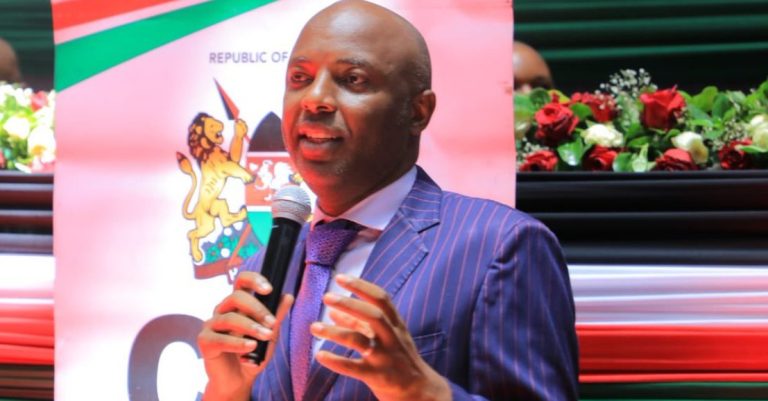
Wiper Partriotic Front Party leader Kalonzo Musyoka speaking in a past event. PHOTO/@skmusyoka/X
Kalonzo Musyoka’s party draws its first hard line of the election cycle — and no sitting MP or MCA is exempt.
By James Mwangi
Wiper Patriotic Front yesterday issued a final deadline for all aspirants seeking its ticket in the 2027 General Election, directing every prospective candidate — including sitting members of parliament and county assembly members — to complete registration by Tuesday, 3 November 2026, or forfeit their chance at the ballot.
The party issued the directive in a statement on Monday, 2 November 2026, warning that no aspirant would receive an exemption regardless of their current elected status. “Tomorrow, 3rd November 2026, is the DEADLINE for registration of ALL Wiper Patriotic Front aspirants seeking party tickets in the 2027 General Election. Whether you are a first-time aspirant or a current elected leader, nobody is exempted,” the party declared. The bluntness of the instruction reflects a party that is running out of patience with incumbents who delay committing to the nomination process while keeping alternative political options open.
The registration exercise is conducted through the party’s online portal, where applicants are required to submit their national identification number, names, phone number and date of birth. They must also indicate the county, constituency and ward in which they intend to contest, select their preferred elective or nomination category and declare whether they currently hold elected or nominated office. Application fees vary by position: governor aspirants pay KSh50,000, Senate, National Assembly and Women Representative aspirants pay KSh20,000, and those seeking Member of County Assembly seats pay KSh10,000. Reduced rates of half the standard fee apply to women, youth and persons with disabilities across all categories.
The 3 November cutoff is not the party’s first. Wiper initially invited expressions of interest in September, setting 3 October as the original deadline before extending it to allow more time. A separate notice on 14 September specifically reminded leaders already elected on a Wiper ticket to register by 2 October should they intend to defend or contest different positions in 2027. When October passed with the process still incomplete for a significant number of potential candidates, the party announced a further extension to 3 November. The firm language in Monday’s statement suggests no further leniency will be offered.
Completing registration does not guarantee a Wiper ticket. Registered aspirants will still be required to participate in the party’s nomination exercise, which Wiper has said will be conducted on a free, fair and transparent basis. The registration drive also covers individuals seeking nomination through the party’s lists, extending the process beyond candidates contesting directly for elective seats.
The administrative exercise is unfolding against one of the most consequential political backdrops in Kenya’s recent electoral history. Kalonzo Musyoka rebranded his party from the Wiper Democratic Movement to the Wiper Patriotic Front on 1 August 2025, a move designed to broaden its appeal particularly among Kenya’s youth. The rebranding signalled that Kalonzo regards 2027 not merely as another electoral cycle but as his most serious and potentially final bid for the presidency. “There is no doubt about that. You are looking at the sixth President of Kenya. Leadership is a calling and I have endured a lot. I think the time is now,” Kalonzo has said.
That conviction is shaping every structural decision Wiper is now making. Kalonzo has embarked on a quiet but calculated campaign to secure the united opposition’s presidential ticket for 2027, with behind-the-scenes engagements with opposition principals aimed at consolidating anti-government forces into one formidable alliance. The aspirant registration process is the domestic counterpart to those external coalition-building efforts — a mechanism to ensure that by the time Wiper enters nomination season, its candidate pool is fully documented, vetted and ready to mobilise.
The political landscape within which Wiper is operating remains intensely competitive. Kalonzo’s campaign strategy draws on small online donations, an expansive volunteer network and a citizen-driven movement designed to reduce dependence on wealthy political financiers. Allies describe it as his most serious bid yet for State House. But the path is complicated. Wiper has had to repeatedly dismiss reports that Kalonzo is preparing to join President William Ruto’s government, insisting the party remains committed to a united opposition ahead of the 2027 election. The persistence of those rumours reflects the fluid and often unpredictable nature of Kenyan coalition politics in the months before an election year.
Kalonzo has been using Wiper Patriotic Front headquarters as a political magnet, with new entrants including former Kiambu Speaker Stephen Ndichu pledging allegiance to the party as part of a broader strategy to expand Wiper’s national footprint and consolidate support beyond its traditional Ukambani base. The aspirant registration deadline is part of the same strategic logic: build the widest possible candidate network across all 47 counties, then let the nomination process identify the strongest competitors at each level.
For Kenya’s political class more broadly, the Wiper deadline is an early signal that the 2027 election machinery is already in motion across party lines. The Independent Electoral and Boundaries Commission gazetted campaign financing regulations in August, setting a presidential spending ceiling of KSh6.11B and opening a formal monitoring window. Political parties are now beginning to impose their own internal timelines, forcing aspirants to declare their intentions and commit resources months before the campaign period officially opens.
The August 2027 General Election will be contested against a backdrop of economic anxiety, governance debates and a highly mobilised younger electorate. For Wiper, the registration deadline is about more than administrative tidiness. It is an assertion that the party is serious, structured and prepared — qualities that Kalonzo’s previous presidential campaigns were sometimes accused of lacking.
Whether that preparation translates into electoral success will depend on factors far beyond a registration portal. But in Kenyan politics, the discipline to build a machine before the race begins is rarely wasted.
The clock has run out for the undecided — Wiper has moved on.
Similar Posts by The Mt Kenya Times:
- Mt Kenya Times ePAPER November 3, 2026
- Kang’ata: ‘I turned down the Deputy President’s job — it was a trap’
- World Bank’s KSh26B project to restore Kenya’s degraded landscapes and transform 750,000 lives
- Kalonzo draws his line in the sand
- UDA and ODM on a collision course with destiny
About the Author