Men, Women, Girls’ and Boys’ Role in ending Gender-Based Violence
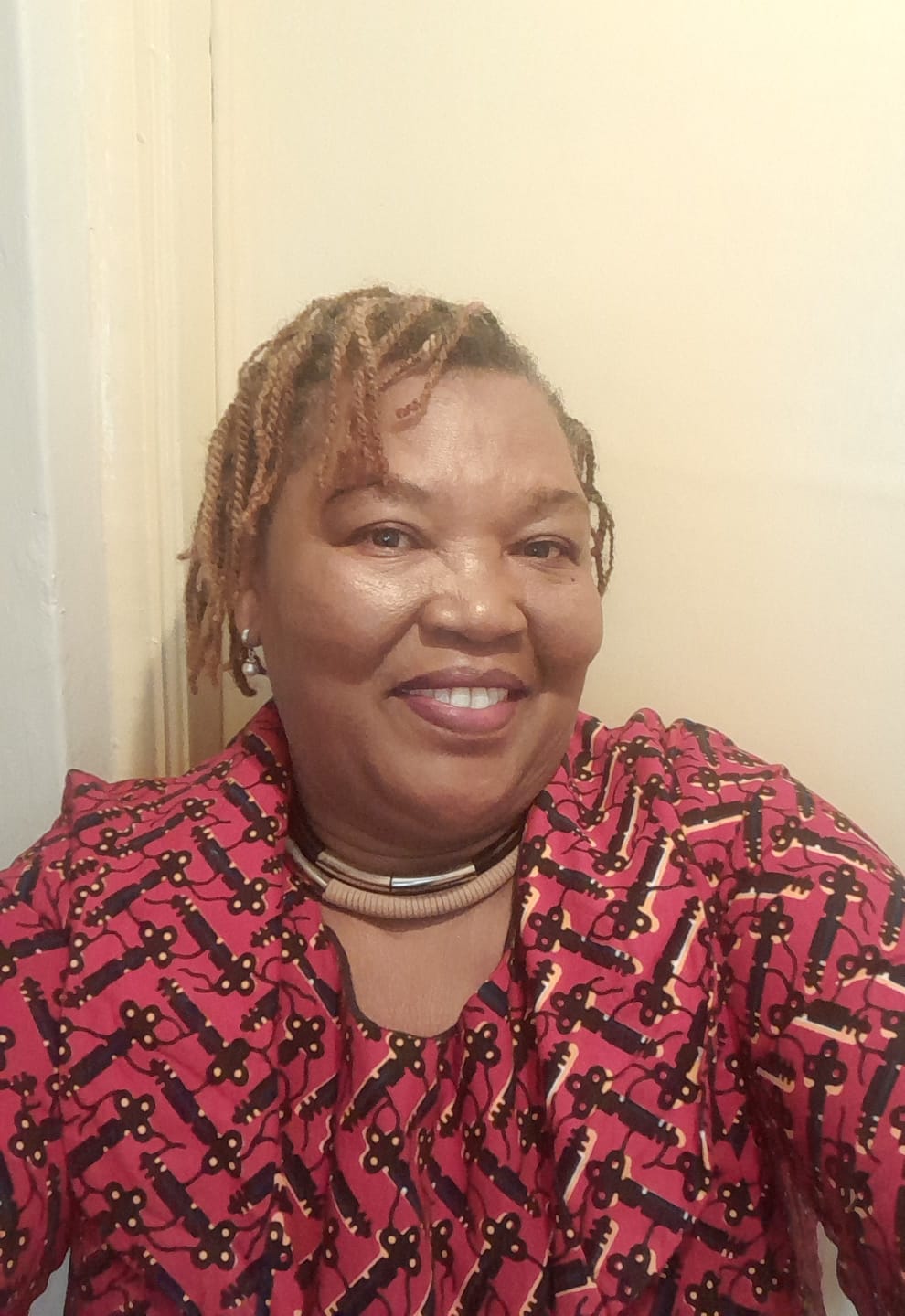
Mary Karau Ngethe
By Mary Karau Ngethe
Worth Noting:
- Some of these include: physical violence such as assault or slavery; emotional or psychological violence such as verbal abuse or confinement; sexual abuse like rape; harmful practices like child marriage and female genital mutilation; socio-economic violence which includes denial of resources; and sexual harassment, exploitation and abuse.
- I was pushed to write in honor of a young lady, we call her Jennifer John (JJ not her real name) who shared her story during her life coach session.
- She felt “This has to stop” and she asked me to publish it for all to know how unsafe girls and women are.
In the pre-independence days in Central Kenya, most households were such that it was acceptable for a man to abuse his wife.
Some men saw it as a means of spicing up the marriage because failing to assault the wife was seen as a sign of “lack of commitment to the marriage or worse still, lack of love for the wife or wives.
Think about that for a second; why should violence be described as love?
The United Nations (UN) defines violence against women as, ‘any act of gender-based violence that results in, or is likely to result in, physical, sexual or psychological harm or suffering to women, including threats of such acts, coercion or arbitrary deprivation of liberty, whether occurring in public or in private life.
2019 estimates published by World Health Organization (WHO) indicates that globally about 1 in 3 (30%) of women worldwide have been subjected to either physical or sexual intimate partner violence or non-partner sexual violence in their lifetime.
Worldwide, almost one third (27%) of women aged between 15-49 years who have been in a relationship report that they have been subjected to some form of physical or sexual violence by their intimate partner.
Gender Based Violence (GBV) can manifest in a large variety of ways.
Some of these include: physical violence such as assault or slavery; emotional or psychological violence such as verbal abuse or confinement; sexual abuse like rape; harmful practices like child marriage and female genital mutilation; socio-economic violence which includes denial of resources; and sexual harassment, exploitation and abuse.
I was pushed to write in honor of a young lady, we call her Jennifer John (JJ not her real name) who shared her story during her life coach session.
She felt “This has to stop” and she asked me to publish it for all to know how unsafe girls and women are.
JJ is woed by a man who is a friend to a friend. She is a virgin, and a 2nd year in a public university in Kenya. JJ is invited for coffee repeatedly, over a length of time, each time, she refuses.
One evening, on a Friday, her friends advised her to agree, and not to go to a house but a cafeteria.
She goes on this particular Friday, and as the man orders coke, she orders a soda, Ginger Ale to be precise.
As she is taking, she remembers she had been advised not to leave her drink unattended, lest she is drugged.
She is very cautious. However, half way down the drink, she remembers vaguely telling the guy she was feeling dizzy. He down played her remarks. That was the last she remembers.
Until the following midday, Saturday, when she wakes up in a bedroom, naked, and several used condoms on the floor.
Her body is aching and tired. She hears men laughing in the sitting room. She approaches them, one being the friend, to ask where she was.
The men bust out laughing, telling her to welcome to the world of ADULT LIFE.
She runs to the bathroom to vomit, feels sick, ashamed, confused, and all she wants is to go back to her hostel and cry. SHE TELLS NOBODY.
She gets pregnant and her parents are harsh on her asking her whether she went to University to study or to make babies.
Six years after graduation, she is still feeling empty, ashamed, confused, and is suicidal.
Yet she is a mother of a girl, who stays with her mother (the child’s grandmother) JJ has never shared her story with a single soul.
She is referred to me by a lady from her church, and I ask her why she was always crying.
Having suffered Post traumatic stress disorder myself after being attacked by thugs who left me for dead, I identified with her.
I told her my story, and I asked her what traumatic event she had suffered in her life.
She asked “were you raped”. I tell her thank God no. She then says “then I am worse than you. Because I was RAPED while I was a virgin” Bombshell!!!! (Please note. She allowed me to tell her story but conceal her identity. Professional ethics had to be protected)
That story, plus so many others I hear in the course of my work, led me to write this article.
“Who gave men power over a woman’s body?
This issue of GBV is not only devastating for survivors of violence and their families, but has a significant impact on the community in Central Kenya, and the country at large.
Most victims and survivors of GBV are unable to report due to societal stigma and name calling.
For most victims, this scares them a lot and prevents them from seeking justice.
Today, media is full of news of men killing wives, and apparently, women killing husbands.
This is totally unacceptable, and because it is a life issue, it has to be dealt with by those in this life. All of us.
Men, women, girls and boys must all become partners in the fight for against violence especially against women and girls.
In Central Kenya, we say 5 Ngemis (Ululations) when a boy is born, while we say 4 when a girl is born.
The extra ngemi for boys is because men and boys are the protectors of women and children.
Who do women and girls run to if the same men are the danger?
We long for our culture where women feel safe walking beside a man or a boy.
Today, men protection has been replaced by the law and the health services in our systems.
The prevention, response, and eradication of all forms of sexual and gender-based violence (GBV) against women and girls depend heavily on access to reproductive health services in health facilities and in police stations.
However, most women and girls’ lack access to basic services like safety, protection, and recovery, which makes them vulnerable to unplanned and unintended pregnancies like in the case of JJ, and high rates of unsafe abortion. GBV also makes women more susceptible to contracting HIV and other STDs (STIs).
This devastating situation cannot be overlooked. GBV can be eliminated if the fight against it is prioritized in the village, counties, nationally, pan African and globally as this will aid to achieve gender equality as stated in goal 5 of the SDGs and the empowerment of all women and girls.
My organisation; Impact Results Africa hereby issues a clarion call to all, especially our elected leaders and policy makers to: Prioritize issues of GBV and women empowerment by observing and adhering to among other issues;
- Respect, protect and fulfil their human rights obligations to gender equality and to a life free of violence for all, including women, adolescents and girls
- Increase funding for SGBV prevention, mitigation and response in national and county budgets
- Ensure the enforcement of laws addressing SGBV
- Ensure access to emergency helplines, police and justice sector response, sexual and reproductive health care, safe shelter and psycho-social counselling.
- Increase funds to reproductive health education and services.
Elimination of Gender-based violence is a collective effort.
To ensure that there is zero tolerance for GBV, all systems, structures, and institutions must collaborate. It is important for governments, the corporate sector, and all parties including men, women, girls and boys to commit firmly to achieving equal rights for all and put an end to all forms of physical, mental and psychological violence and harmful practices in our homes and in our nation
The time to act is now, more than half of the world population depends on you and me!
_Mary Karau Ngethe, is the Founder and CEO of A Life Coaching firm called Impact Results Africa. She is a Global Leadership Catalyst, Transformative and family Certified Life Coach and a Celebrated Motivational Speaker. She passionately advocates for “Peace in Our Hearts & in Our Families”. Contacts; 0722652111. Email; marykaraungethe@gmail.com
Similar Posts by The Mt Kenya Times:
- When soldiers turn on the junta they helped create
- Educational empowerment: A non-negotiable investment in Kenya’s future
- What aging parents want their adult children to understand
- Zimbabwe to roll out emotional learning programme to all 72 districts
- HONOURING THE PAST, POSITIONING FOR THE FUTURE
About the Author