Towards a Resilient Workforce: Climate Finance as a Cornerstone for Labour Rights in Kenya
 The Mt Kenya Times
By Jerameel Kevins Owuor Odhiambo
Worth Noting:
- Compounding these challenges is the issue of climate finance, which refers to the flow of funds from developed to developing countries to support climate change mitigation and adaptation efforts. Despite being a signatory to the Paris Agreement and other international climate accords, Kenya has struggled to secure adequate climate finance, hampering its ability to implement effective strategies for protecting workers and building resilience against climate impacts.
- The lack of climate finance has far-reaching implications for labour rights in Kenya. Without sufficient resources, the government faces difficulties in providing essential services, such as vocational training and social safety nets, to support workers transitioning to more sustainable livelihoods. Additionally, limited funding hinders the development of climate-resilient infrastructure, leaving workers exposed to the risks posed by extreme weather events.
Kenya, a country rich in natural resources and cultural heritage, faces a daunting challenge in the face of climate change. As temperatures rise and weather patterns become increasingly erratic, the livelihoods of millions of Kenyans are at risk, particularly those in agriculture and pastoralism. Addressing this crisis requires a multifaceted approach, encompassing not only environmental policies but also a comprehensive framework for protecting labour rights and ensuring equitable access to climate finance.
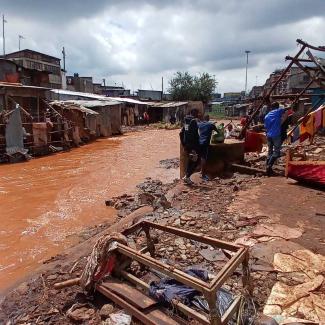
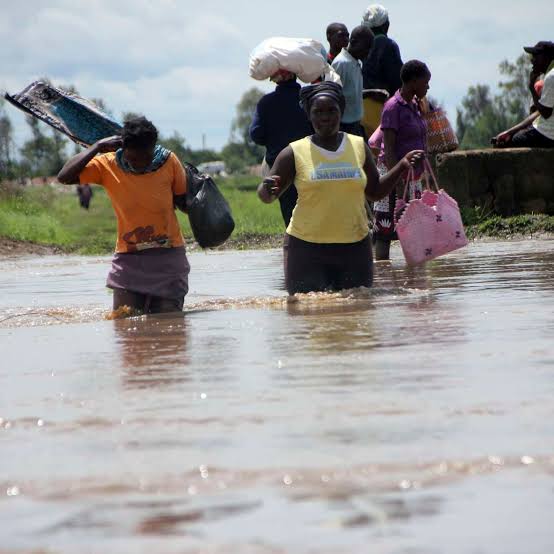
The Kenyan labour force is highly vulnerable to the impacts of climate change. Agriculture, which employs over 60% of the population, is heavily dependent on predictable rainfall patterns and favourable weather conditions. As droughts become more frequent and severe, crop yields decline, putting the food security and incomes of smallholder farmers at risk. Furthermore, extreme weather events such as floods can lead to displacement, disrupting labour markets and exacerbating poverty.
The consequences of climate change extend beyond the agricultural sector. Workers in industries such as tourism, fishing, and construction are also affected by the changing climate. For instance, rising sea levels and coral bleaching threaten coastal tourism, while increased frequency of extreme weather events can disrupt construction projects and damage infrastructure. These impacts not only threaten job security but also compromise workers’ rights to a safe and healthy working environment.
Compounding these challenges is the issue of climate finance, which refers to the flow of funds from developed to developing countries to support climate change mitigation and adaptation efforts. Despite being a signatory to the Paris Agreement and other international climate accords, Kenya has struggled to secure adequate climate finance, hampering its ability to implement effective strategies for protecting workers and building resilience against climate impacts.
The lack of climate finance has far-reaching implications for labour rights in Kenya. Without sufficient resources, the government faces difficulties in providing essential services, such as vocational training and social safety nets, to support workers transitioning to more sustainable livelihoods. Additionally, limited funding hinders the development of climate-resilient infrastructure, leaving workers exposed to the risks posed by extreme weather events.
Supplementally, the inequitable distribution of climate finance exacerbates existing socioeconomic disparities, disproportionately impacting marginalized communities and vulnerable groups, including women, youth, and persons with disabilities. These groups often lack access to resources and opportunities, making them more susceptible to the adverse effects of climate change on employment and working conditions.
To address these challenges, Kenya must adopt a comprehensive and inclusive approach that prioritizes labour rights and climate finance. This approach should involve strengthening legal frameworks and institutional mechanisms to ensure the effective implementation of labour standards and environmental regulations. By aligning labour policies with climate change mitigation and adaptation strategies, Kenya can create a conducive environment for sustainable and equitable economic growth.
Improving access to climate finance is a crucial component of this approach. Kenya should actively engage with international financial institutions, donor countries, and the private sector to mobilize resources for climate action. These funds should be strategically allocated to support initiatives that promote green jobs, invest in climate-resilient infrastructure, and provide social protection for workers affected by the transition to a low-carbon economy.
Equally important is the need for capacity building and knowledge sharing. By investing in research and development, Kenya can enhance its understanding of the linkages between climate change, labour rights, and economic development. This knowledge can inform evidence-based policymaking and foster collaboration among stakeholders, including the government, civil society organizations, trade unions, and the private sector.
Alongside, Kenya should prioritize the participation of workers and marginalized communities in decision-making processes related to climate action and labour policies. Inclusive governance ensures that the needs and perspectives of those most affected by climate change are adequately represented, leading to more effective and equitable solutions.
Addressing the interplay between labour rights and climate finance in Kenya is not only a legal imperative but also a moral obligation. By protecting the rights of workers and ensuring equitable access to climate finance, Kenya can build a more resilient and sustainable future for its citizens. This requires a concerted effort from all stakeholders, guided by the principles of social justice, environmental stewardship, and intergenerational equity.
In conclusion, the challenges posed by climate change to labour rights and climate finance in Kenya are multifaceted and complex. However, by adopting a comprehensive and inclusive approach, strengthening legal frameworks, mobilizing climate finance, promoting capacity building, and fostering stakeholder engagement, Kenya can pave the way for a just transition towards a low-carbon, climate-resilient economy that protects the rights and livelihoods of its workers.
The writer is a legal researcher and lawyer.
saminga03@yahoo.co.uk
Similar Posts by The Mt Kenya Times:
- Mt Kenya Times ePAPER October 22, 2026
- Ruto heads to Harare for COMESA summit on trade and regional security
- Mudavadi and Wetangula walk out as Sifuna speaks at Nabwera memorial
- Police accountability on trial as seven officers face probe over journalist’s arrest
- Learners, teachers graduate from thrive for good organic farming training
About the Author