Karimjanova Gulshoda Adhamjon

By: Karimjanova Gulshoda Adhamjon
Today, people are causing a lot of damage to the environment. As science and technology rapidly develops, mother nature sacrifices herself. As a simple example, when we use factories in our lives, air pollutants from iron and steel production operations have historically been an environmental problem. These pollutants include gaseous substances such as sulfur oxides, nitrogen dioxide, and carbon monoxide. In addition, particulates such as soot and dust, which may contain iron oxide, have become the focus of regulation. In North America, Western Europe, and Japan, total pollution control costs have been estimated at 1% to 3% of total production costs, more than half of which are related to emissions. Air pollution control facilities account for approximately 10 to 20 percent of total plant investment. Such costs create a barrier to the international use of advanced management tools for developing countries and old-economy firms.
Air pollutants vary depending on the specific process, plant engineering and construction, raw materials used, energy sources and quantities required, extent to which waste products are recycled in the process, and the effectiveness of pollution control. For example, the introduction of basic metal-oxygen production allowed the controlled collection and processing of waste gases, reducing the amount of waste, and the use of continuous disposal process reduced energy consumption, which led to a reduction in emissions. . This improved the quality of the product and increased productivity.
The most visible form of environmental pollution can be blown from iron ore, coal, coke and lime mines or into the air during their loading and transportation. Coke ovens provide efficient production of coal coke and bitumen. Potential health effects depend on the number of particles in the respirable range, the chemical composition of the dust, and the duration and concentration of exposure.
Traditionally, governments, trade associations, and the private sector have addressed environmental issues on a media-specific basis, such as air, water, and waste disposal. Although important, this has sometimes shifted the problem from one environmental area to another, as expensive wastewater treatment leaves the problem of future treatment waste disposal, which can also lead to serious groundwater contamination. However, in recent years, the global steel industry has addressed this problem through integrated pollution control, which has evolved into an environmental risk management program that considers all impacts simultaneously and systematically prioritizes refers to directions. A second development of equal importance is the focus on prevention rather than remedial measures. This covers issues such as plant location, site preparation, plant and equipment placement, establishing day-to-day management responsibilities, ensuring compliance with environmental regulations and providing adequate personnel and resources to report results to appropriate authorities. Established by the United Nations Environment Program (UNEP) in 1975, the Center for Industry and Environment aims to promote cooperation between industry and government to promote the development of environmentally friendly industries. Its goals include:
- To encourage the inclusion of environmental criteria in industrial development plans
- To support the implementation of environmental protection procedures and rules
- Encourage the use of safe and clean methods
promote the exchange of information and experience around the world
UNEP works closely with IISI, the first international industry association dedicated to a single sector. IISI members include public and private steel companies, national and regional steel industry associations, federations and research institutes from 51 countries, which together account for more than 70% of the world’s total steel production. organizes. IISI often produces information and technical reports on environmental policy and regulation in collaboration with UNEP. Together, they work to address the economic, social, ethical, personal, managerial, and technological factors that affect compliance with environmental regulations, policies, and regulations.
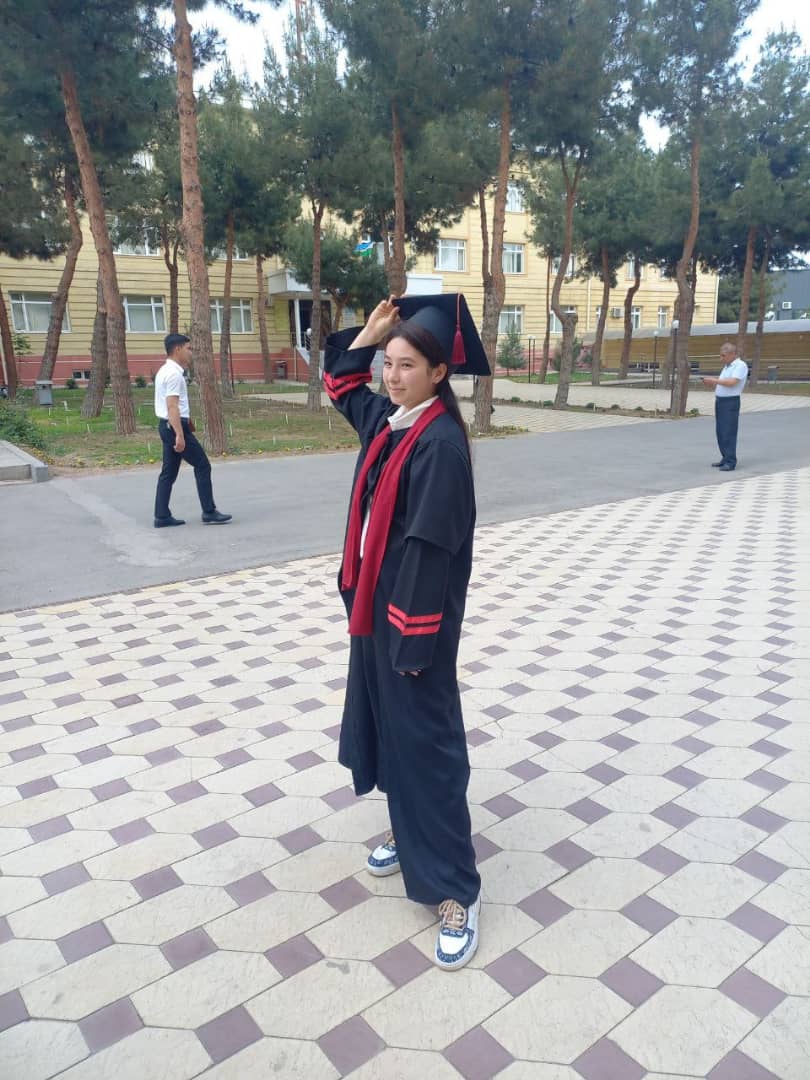
Karimjanova Gulshoda, daughter of Adhamjon, was born on June 26, 2007 in Uychi district, Namangan region. Copyrighted by “Ezgulik” electronic magazine. The story “Last Summer” was published in the Azerbaijan anthology. “Amir Temur” international badge holder. The owner of the Order of “Professional Penman” established by the Dzhokorgi Council of the Republic of Kazakhstan. Owner of more than 30 international certificates. The owner of the statuette “Owner of the Golden Pen 2024”.
Awarded the “Best Wanted” statuette and badge of Russia. Candidate for “Zulfiyakhanim” award.
Similar Posts by The Mt Kenya Times:
- Mt Kenya Times ePAPER September 17, 2026
- Ruto and Uhuru: The rupture at the heart of Kenya’s 2027 election
- Gakoromone traders and rights group demand closure of sewage discharge
- Retirement is not disenfranchisement: Reclaiming the constitutional rights of Kenya’s former presidents
- Kenya’s 2027 election: Can technology strengthen democracy or manipulate voters?
About the Author