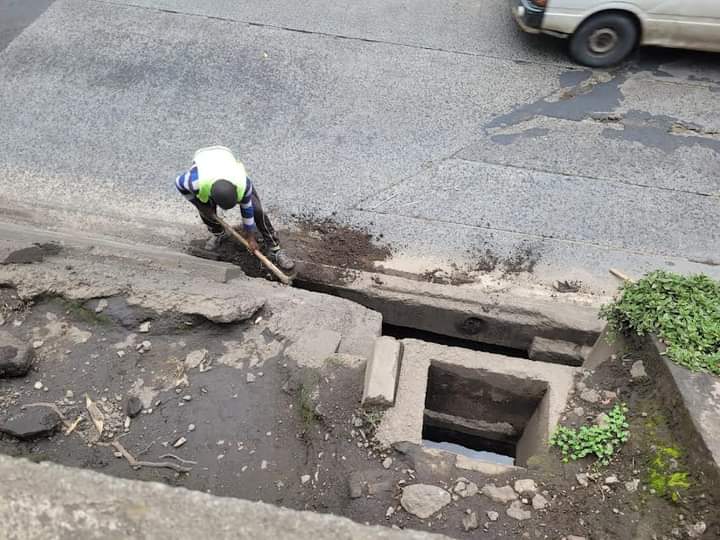

Nairobi, the bustling capital of Kenya, is not only a hub of economic activity but also faces significant challenges related to its drainage system. As the city continues to expand rapidly, the strain on its infrastructure becomes increasingly evident, particularly during the rainy seasons. The drainage system plays a crucial role in mitigating flooding and ensuring the well-being of its residents.
The drainage system in Nairobi comprises a network of open channels, culverts, stormwater drains, and sewage systems designed to manage rainwater runoff and wastewater. However, several factors contribute to its inefficiency and susceptibility to flooding.
One of the primary challenges is inadequate maintenance. Due to limited resources and capacity, many drainage channels become clogged with solid waste, silt, and debris, impeding the flow of water. Additionally, informal settlements, which lack proper sanitation facilities, often dispose of waste directly into the drainage system, exacerbating blockages and contaminating waterways.
Furthermore, rapid urbanization and informal construction exacerbate the strain on the drainage infrastructure. As new buildings and roads are constructed without proper planning and adherence to regulations, they disrupt natural drainage patterns and increase surface runoff, leading to localized flooding in low-lying areas.
To address these challenges, the government of Kenya, in collaboration with international organizations and local stakeholders, has initiated various projects aimed at improving the drainage system in Nairobi. These efforts include infrastructure upgrades, such as the construction of new drainage channels, rehabilitation of existing ones, and installation of trash traps to capture solid waste.
Moreover, community engagement and public awareness campaigns are essential components of these initiatives. By educating residents about the importance of proper waste disposal and the impact of urbanization on drainage systems, authorities aim to foster a sense of ownership and encourage sustainable practices.
Additionally, incorporating green infrastructure solutions, such as permeable pavements and green roofs, can help reduce surface runoff and enhance the city’s resilience to climate change.
While significant progress has been made, challenges persist, and continued investment and collaboration are necessary to ensure the long-term effectiveness of Nairobi’s drainage system. By prioritizing maintenance, adopting sustainable practices, and involving communities in decision-making processes, Nairobi can build a more resilient and sustainable urban environment for its residents.
Saumu Pili and Wanjiru Jane
Media student, Rongo University
Migori county
Similar Posts by The Mt Kenya Times:
- Ruto tells UN: Africa’s crisis is rigged rules, not empty coffers
- Njogu’s diaspora agenda gains fresh impetus as Kenya launches investment platform
- Eldoret to host 2026 UN Tourism Week: Can the North Rift redefine Kenya’s tourism story?
- After Madrid chaos derby: Mourinho pulls out the printer
- Smart classroom revolution hits Nyeri schools
About the Author