Junior Secondary School Teachers’ Situation: A Call For Permanent Employment
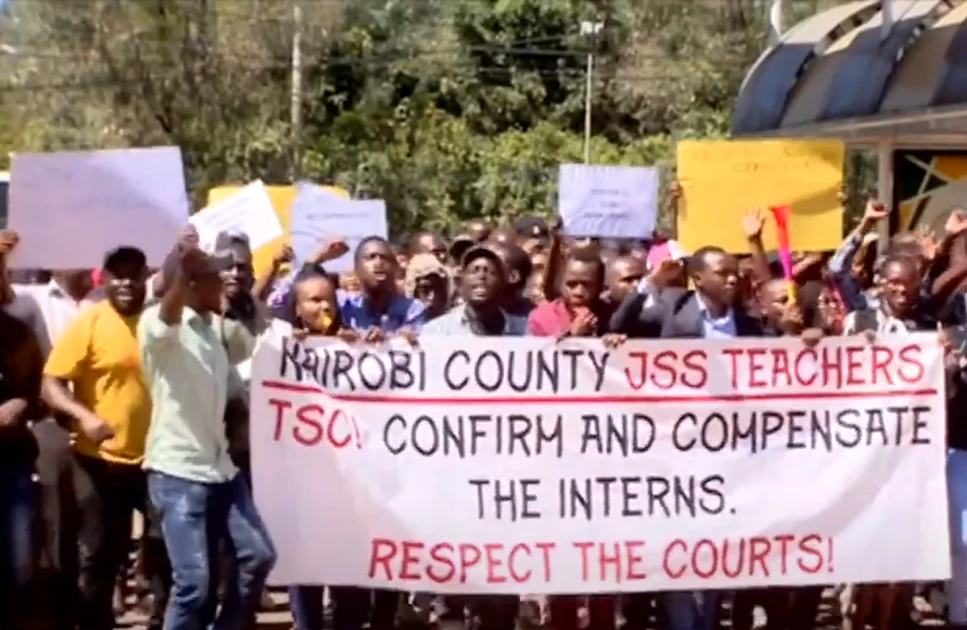
Junior Secondary School teachers on strike

Teachers are the foundation of a country’s educational progress. However, behind the scenes, a silent struggle continues among junior secondary school (JSS) teachers, echoing the demand for permanent employment in the face of precarious intern agreements with the government. This moving story emphasizes the critical need for long-term solutions to inspire and recognize these educators’ dedication.
The plight of JSS teachers is more than just a statistic; it is a human story filled with aspirations, frustrations, and a steadfast commitment to shaping young minds. These educators, armed with passion and expertise, are tethered to the uncertainty of intern agreements, lacking the stability required for personal and professional development.
JSS teachers’ vow not to return to their classrooms until their call for permanent employment is heard echoes a collective plea for recognition and dignity. It reflects a sobering reality: the current system fails to recognize these educators’ invaluable contribution, condemning them to a cycle of uncertainty and insecurity.
Opinions on this matter differ, but they all agree on the fundamental principle of justice and equity. Many argue that the government’s reliance on intern agreements perpetuates an exploitative system by denying teachers the rights and benefits that come with permanent employment. Others emphasize the long-term negative impact on educational quality, as teachers face job insecurity and limited opportunities for professional development.
Critics may argue about budgetary constraints or administrative hurdles, but such justifications pale in comparison to the moral imperative to recognize JSS teachers’ hard work and dedication. Education investment is more than just a financial decision; it represents a commitment to raising a generation that is knowledgeable, critical thinking, and resilient.
Furthermore, the issue at hand goes beyond educational policy; it addresses broader societal values like fairness and inclusivity. By ignoring JSS teachers’ demands, we risk perpetuating a cycle of inequality that undermines the foundation of our social contract. In the face of adversity, hope emerges in the form of collective action and activism. JSS teachers’ solidarity sends a powerful message: they will no longer be marginalized or overlooked. Their resilience mirrors the resilience that they instill in their students on a daily basis, demonstrating education’s transformative power.
As a society, we face a choice between complacency and progress, between perpetuating injustice and promoting equity. The call for permanent employment for JSS teachers is more than just a demand for better working conditions; it is also a demand for dignity, respect, and recognition of educators’ critical role in shaping the future.
To summarize, the plight of JSS teachers highlights the critical need for systemic reform and a reaffirmation of our commitment to educational excellence. It is time to answer their call, not only for the sake of teachers, but also for the generations they inspire and the future they help shape. Only then can we truly honor the noble profession of teaching and keep the promise of a better future for all.
Perpetual John And Veronica Stella.
Rongo University Media Students.
Similar Posts by The Mt Kenya Times:
- The unfinished covenant: Operationalizing Articles 48 and 54 in Kenya’s Construction Adjudication: A call from the concrete barricades
- Mt Kenya Times ePAPER August 27, 2026
- Opposition will have a candidate by April, says Gachagua
- Kalonzo takes his campaign to the people across three counties
- Kenya’s election technology tender: A KSh10B procurement under fire
About the Author