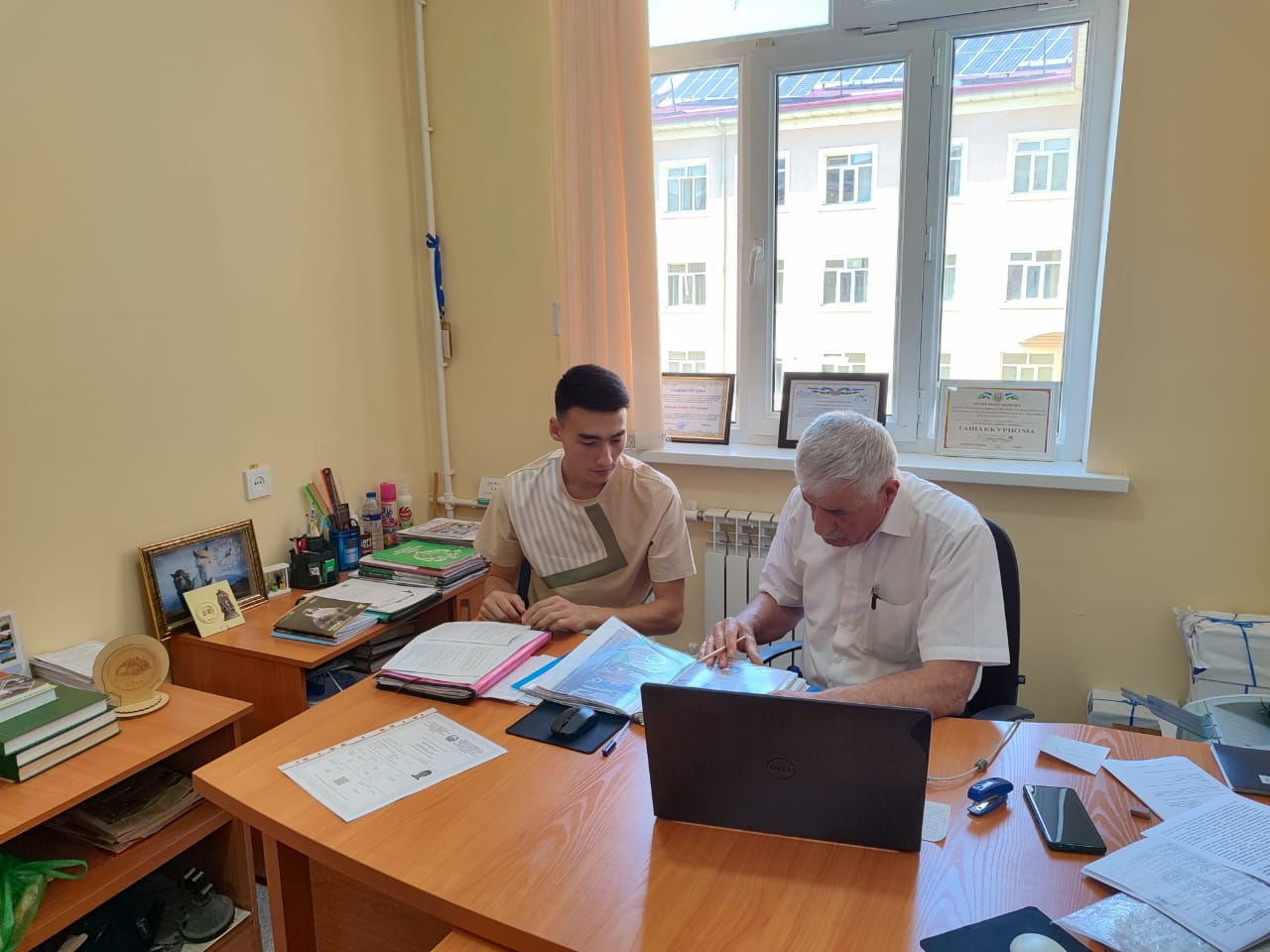
Sirojiddinov Asliddin Abduvahidjon

By: Sirojiddinov Asliddin Abduvahidjon
Annotation: Hemis (Higher Education Management Information System) is an information system used in higher education institutions, particularly in South Africa, to manage and report data related to academic programs, student enrollments, staff, finances, and other aspects of university operations. Here are some key points:
- Purpose: Hemis is designed to provide accurate and reliable data for planning, monitoring, and reporting purposes. It helps universities comply with national reporting requirements and aids in policy formulation and decision-making.
- Data Collection: The system collects data on various aspects such as student demographics, enrollment figures, graduation rates, staff qualifications, and research outputs. This data is crucial for funding allocations and institutional assessments.
- Compliance: Universities are required to submit Hemis data to the Department of Higher Education and Training (DHET) regularly. Compliance with Hemis requirements ensures institutions receive appropriate funding and maintain their accreditation status.
- Reporting: Hemis data is used to generate reports that inform stakeholders about the performance and needs of higher education institutions. These reports can influence government policies and funding decisions.
- Data Quality: Maintaining high data quality is essential for Hemis. Institutions must ensure the accuracy and completeness of the data they submit. This often involves regular audits and validations.
- Impact: The data from Hemis plays a crucial role in shaping the higher education landscape. It helps identify trends, measure progress, and address challenges within the sector.
Keywords: hemis, system, management, education, Uzbekistan, students, course, information, material, key, faculty.
The Hemis Information System is an electronic management system used in higher education institutions in Uzbekistan. It facilitates digital management of activities for students, teachers, and university administration. The system offers the following features:
- For Students:
– Course enrollment
– Viewing grades
– Monitoring class schedules
– Accessing course materials and information
- For Teachers:
– Managing class schedules
– Entering and tracking student grades
– Uploading educational materials
- For Administration:
– Managing educational processes
– Storing and analyzing information about students and teachers
– Generating reports and statistics
The Hemis Information System aids in the digitalization of Uzbekistan’s education system and helps improve the quality of education.
The Hemis system, or Higher Education Management Information System, offers several benefits for managing and improving higher education institutions. Some key advantages include:
- Data Centralization: Hemis centralizes data from various departments, making it easier to manage and retrieve information.
- Improved Decision-Making: By providing comprehensive data, Hemis helps administrators make informed decisions regarding resource allocation, policy implementation, and strategic planning.
- Enhanced Reporting: The system facilitates detailed and accurate reporting, which is crucial for compliance, accreditation, and funding purposes.
- Operational Efficiency: Automating data collection and processing reduces manual work, leading to increased efficiency and reduced errors.
- Resource Management: Hemis helps in better management of resources, such as faculty, staff, and facilities, ensuring they are utilized effectively.
- Performance Monitoring: The system allows for continuous monitoring of institutional performance, helping identify areas for improvement and track progress over time.
- Student Tracking: It provides tools for tracking student performance, enrollment trends, and graduation rates, aiding in academic planning and support services.
- Transparency and Accountability: By maintaining detailed records and reports, Hemis enhances transparency and accountability within the institution.
- Integration Capabilities: Hemis can integrate with other systems and databases, allowing for seamless data exchange and interoperability.
Overall, the Hemis system supports the strategic and operational needs of higher education institutions, leading to better management and improved educational outcomes.
The Hemis system in Uzbekistan is a Higher Education Management Information System designed to streamline administrative processes in universities. Here are some key differences between the Hemis system in Uzbekistan and similar systems in other countries:
- Localization and Customization:
– Uzbekistan: The Hemis system is tailored to the specific regulatory and educational requirements of Uzbekistan. It incorporates local language support and is designed to meet the needs of Uzbek universities.
– Other Countries: Systems in other countries are customized according to their respective national regulations, languages, and educational standards.
- Regulatory Compliance:
– Uzbekistan: The Hemis system ensures compliance with Uzbek Ministry of Higher and Secondary Specialized Education regulations, including specific reporting and data management standards.
– Other Countries: Systems are designed to comply with the respective country’s education ministry or governing bodies’ regulations, which can vary significantly in terms of data requirements and reporting standards.
- Technological Integration:
– Uzbekistan: The Hemis system may be integrated with other national education databases and systems unique to Uzbekistan.
– Other Countries: Foreign systems often integrate with different sets of local and international educational tools and databases, reflecting the technological ecosystem of the respective country.
- Data Privacy and Security:
– Uzbekistan: The Hemis system must adhere to Uzbek data privacy laws and regulations, which dictate how student and staff data is managed and protected.
– Other Countries: Data privacy and security standards vary widely; for example, European countries follow GDPR, the US follows FERPA, and each country may have specific legal requirements for data handling and security.
- User Interface and Experience:
– Uzbekistan: Designed to be user-friendly for Uzbek administrators, faculty, and students, with interfaces often available in Uzbek and Russian.
– Other Countries: User interfaces are developed to cater to the linguistic and cultural preferences of the country’s users, which can impact design, accessibility, and functionality.
- Functionality and Features:
– Uzbekistan: Focused on meeting the needs of Uzbek higher education institutions, including specific modules for student enrollment, academic records, and financial management tailored to local practices.
– Other Countries: Features and functionalities are developed to meet the diverse needs of their educational systems, which can include broader or more specialized modules depending on local demands.
- Implementation and Support:
– Uzbekistan: Local support and training are crucial for effective implementation, often provided by the developers familiar with the Uzbek education system.
– Other Countries: Implementation and support services are tailored to the local context, often involving different models of training, support, and system customization.
Overall, while the core purpose of managing and streamlining higher education administrative processes is consistent, the specific implementations of such systems can vary significantly based on local needs, regulations, and technological landscapes.
The Hemis (Higher Education Management Information System) system is primarily used for managing and improving the administration and delivery of higher education. It helps institutions collect, store, and analyze data related to student enrollment, academic performance, faculty, finances, and other key operational areas. The main reason for using Hemis is to support decision-making, policy development, and strategic planning by providing accurate and comprehensive data, which ultimately enhances the efficiency and effectiveness of higher education institutions.
The Hemis (Higher Education Management Information System) is a comprehensive system designed to streamline and enhance the management of higher education institutions. It is particularly convenient for students in several ways:
- Centralized Information Access: Hemis provides students with a single platform to access all necessary information related to their academic progress, including grades, course materials, schedules, and administrative announcements.
- Registration and Enrollment: The system simplifies the process of course registration and enrollment. Students can easily sign up for classes, check prerequisites, and ensure they are meeting their academic requirements.
- Communication: Hemis facilitates better communication between students, faculty, and administration. Announcements, updates, and important notifications can be quickly disseminated through the system.
- Support Services: Students can access various support services through Hemis, such as counseling, academic advising, and career services, making it easier to seek help when needed.
- Financial Management: The system often includes modules for managing tuition payments, scholarships, and financial aid, providing students with clear and accessible information about their financial status.
- Feedback and Evaluation: Hemis can be used for collecting and analyzing student feedback on courses and instructors, helping improve the quality of education and addressing student concerns promptly.
- Personalized Experience: With data on individual student performance and preferences, Hemis can offer personalized recommendations for courses, study materials, and extracurricular activities.
Overall, the Hemis system helps create a more organized, efficient, and student-friendly environment in higher education institutions.
The future Hemis (Higher Education Management Information System) could potentially have the following features:
- Advanced Data Analytics: Utilizing AI and machine learning to provide predictive analytics, trend analysis, and actionable insights for policymakers, educators, and students.
- Real-time Data Integration: Seamless integration of data from various sources such as academic institutions, government databases, and international education platforms to ensure up-to-date and comprehensive information.
- User-Friendly Interface: Intuitive dashboards and interfaces that make it easy for users to access, visualize, and interpret data.
- Personalized Learning and Support: Tools that offer personalized recommendations for students based on their academic performance, interests, and career aspirations.
- Enhanced Security and Privacy: Robust security protocols to protect sensitive educational data and ensure compliance with data protection regulations.
- Interoperability: Compatibility with other educational and administrative systems to facilitate smooth data exchange and integration.
- Mobile Accessibility: Mobile-friendly platforms that allow users to access information and perform tasks on-the-go.
- Collaboration Tools: Features that support collaboration among educators, students, and administrators, such as shared workspaces, communication tools, and project management capabilities.
- Reporting and Compliance: Automated reporting features that help institutions meet regulatory requirements and track compliance effortlessly.
- Feedback Mechanisms: Tools for collecting and analyzing feedback from students and staff to continuously improve the system and educational processes.
- Resource Management: Modules for managing educational resources, including facilities, staff, and budgets, to optimize the allocation and utilization of resources.
- Global Reach: Capabilities to support international collaboration and exchange programs, making it easier for institutions to engage with global partners.
By incorporating these features, a future Hemis information system could significantly enhance the management, administration, and quality of higher education.
Data Collection in Hemis
- Student Data:
– Enrollment: Hemis tracks detailed enrollment data, including the number of students registered in various programs, their demographics (age, gender, race), and their study modes (full-time, part-time, distance learning).
– Academic Performance: Information on student progress and outcomes, such as completion rates, dropout rates, and academic performance, is collected.
– Graduation: Data on the number of graduates, their qualifications, and the time taken to complete their studies.
- Staff Data:
– Academic Staff: Information on the number of academic staff, their qualifications, teaching loads, and research outputs.
– Support Staff: Data on administrative and support staff, including their roles, qualifications, and employment status.
- Financial Data:
– Funding: Details on various funding sources, including government subsidies, student fees, and external grants.
– Expenditures: Information on how funds are allocated and spent across different departments and projects.
- Research Data:
– Outputs: Data on research outputs such as publications, patents, and conference presentations.
– Funding: Information on research funding, including grants and contracts.
Reporting in Hemis
- Annual Reports:
– Universities submit annual reports to the DHET, detailing their performance across various metrics. These reports are used to monitor compliance with national standards and policies.
- Key Performance Indicators (KPIs):
– Hemis data helps track KPIs such as student success rates, staff-to-student ratios, and research productivity. These indicators are essential for assessing institutional performance and identifying areas for improvement.
- Funding Allocation:
– The data collected through Hemis is used to determine the allocation of government funding. This includes block grants, earmarked funds for specific programs, and performance-based funding.
- Policy Formulation:
– Hemis reports provide valuable insights for policymakers. They help in the formulation of education policies, setting strategic priorities, and addressing sector-wide challenges.
- Institutional Planning:
– Universities use Hemis data for internal planning and decision-making. It helps in resource allocation, program development, and strategic planning to enhance institutional performance and student outcomes.
Ensuring Data Quality
- Validation Processes:
– Institutions must regularly validate their data to ensure accuracy and completeness. This involves cross-checking records, correcting errors, and updating information as needed.
- Audits:
– Periodic audits are conducted to verify the integrity of the data submitted to Hemis. These audits help identify discrepancies and areas where data management practices can be improved.
- Training:
– Staff involved in data collection and reporting receive training to understand Hemis requirements and best practices for data management.
Conclusion
ConclusionThe Hemis (Higher Education Management Information System) plays a critical role in the management and reporting of data within higher education institutions. By systematically collecting and analyzing student data, Hemis provides valuable insights into enrollment trends, academic performance, and graduation rates. This information is essential for institutional planning, resource allocation, and compliance with national educational standards.Through detailed data collection methods, such as registration systems and academic records, Hemis ensures comprehensive coverage of student demographics, program details, and academic outcomes. The subsequent analysis and reporting of this data support both internal and external stakeholders, informing key decisions and policy formulations.The effectiveness of Hemis hinges on the accuracy, completeness, and security of the data collected. Rigorous validation processes, regular audits, and strict data security measures are crucial in maintaining the integrity of the system. By addressing these challenges, institutions can leverage Hemis to enhance student support services, improve program offerings, and ultimately foster a more efficient and effective higher education environment.In summary, Hemis is an indispensable tool that aids higher education institutions in South Africa in achieving their strategic objectives, ensuring quality education, and meeting national requirements. Its comprehensive approach to data management supports informed decision-making and continuous improvement across the sector.
The son of Sirojiddinov Asliddin Abduvahidjon is a master of Gulistan State University. Holder of Islam Karimov state scholarship. The city of Gulistan, Syrdarya region, Republic of Uzbekistan.
List of used literature on the subject
Adam, F & Rocha, Á. (Eds.). (2014). Higher Education Management and Operational Research: Demonstrating New Practices and Metaphors. Emerald Group Publishing Limited.
McDowell, D & Abbott, M. (Eds.). (2017). Higher Education Management and Policy: Changing Dynamics. Routledge.Ministry of Higher Education and Training, South Africa. (n.d.). Higher Education Management Information System (HEMIS).
Retrieved from https://www.dhet.gov.za/SitePages/Hemis.aspxNational Treasury, South Africa. (2018). Guide for the submission of data to the Higher Education Management Information System (HEMIS).
Retrieved from https://www.treasury.gov.za/HEMIS User Manual (latest edition). This manual often includes detailed technical information and guidelines for using the Hemis system effectively.
Similar Posts by The Mt Kenya Times:
- Diaspora Times Global Oct 24 – Oct 30, 2026
- America’s baby bust: U.S. birth rate hits record low as women choose later motherhood
- Literary Outreach Incubation Program Instills The Culture From Book Adaption To Spoken Words
- Why starting school too early is failing our children
- Who defines Africa’s destiny? The western lens, African compliance and the struggle for intellectual sovereignty
About the Author