Ruto’s Political Chess: The Quiet Calculations Behind Gachagua’s Impeachment
 The Mt Kenya Times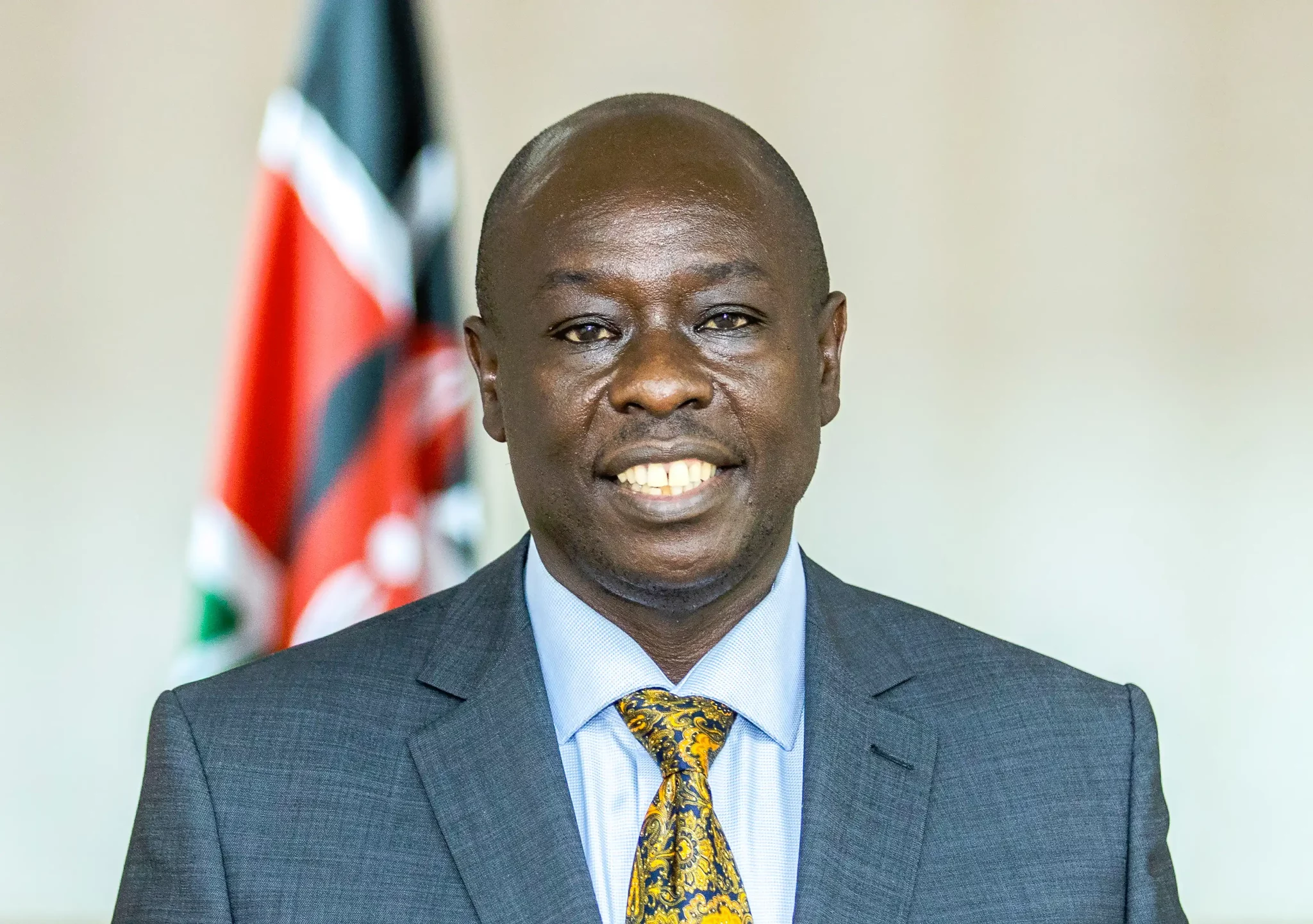
Deputy President Rigathi Gachagua
By: Midmark Onsongo
Worth Noting:
- What has caught many off-guard is Ruto’s conspicuous silence on the impeachment process. As President, his direct involvement or vocal opposition to the motion would be expected, considering the gravity of removing a sitting deputy. However, Ruto has remained tight-lipped, refraining from any public statement on the matter. His reticence has been viewed as either a shrewd political strategy or a sign of growing tensions between the two leaders.
- Gachagua, for his part, has not taken the impeachment lightly. He has consistently denied the accusations, portraying them as politically motivated attacks aimed at derailing his efforts to reform government structures. He has doubled down on his public persona, continuing to position himself as the voice of the “hustler nation” and framing the impeachment as an attempt by corrupt elites to silence his anti-corruption crusade.
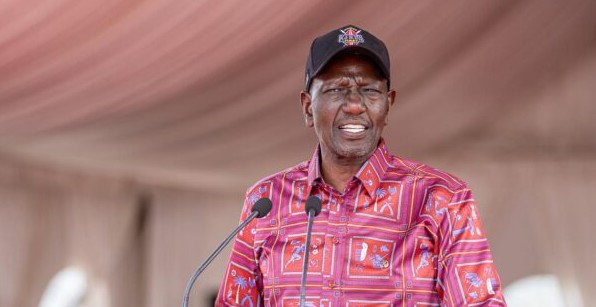
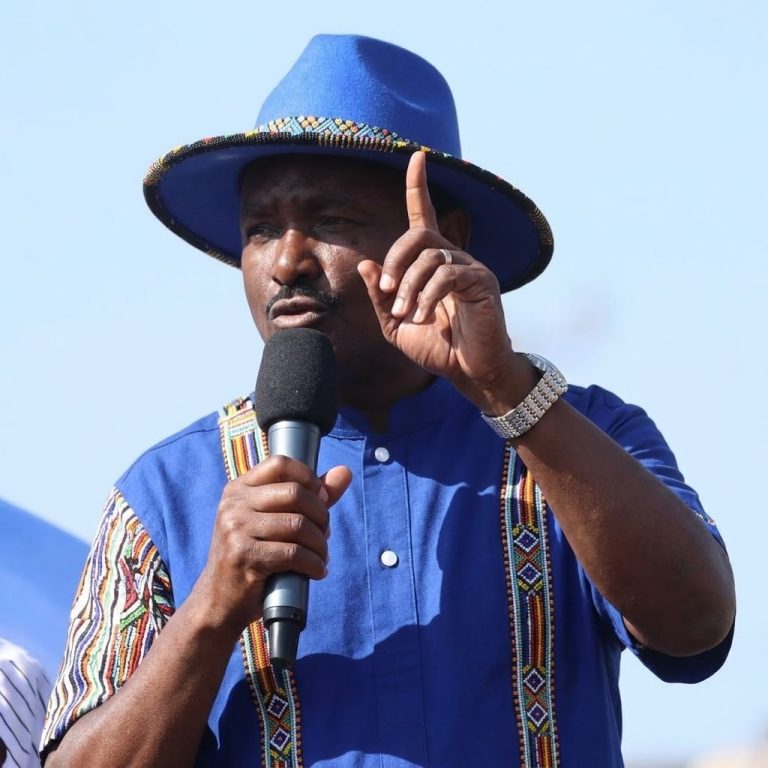
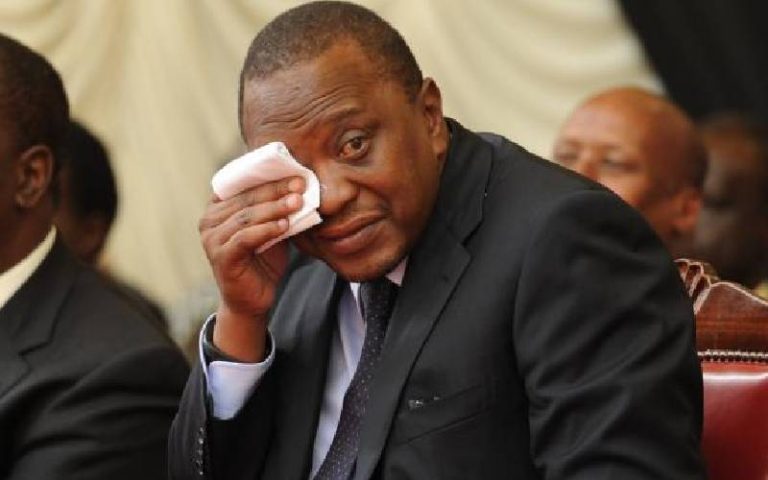
Deputy President Rigathi Gachagua’s political future hangs in the balance as his impeachment motion garners widespread attention and support. The silence from President William Ruto on the matter has sparked intense speculation, leaving many wondering if Ruto is covertly supporting or distancing himself from his embattled deputy. This article explores the intricate political landscape surrounding the impeachment and the possible strategic motivations behind Ruto’s decisions—or lack thereof.
The Grounds for Impeachment
The impeachment motion against Gachagua, led by Kibwezi West MP Mwengi Mutuse, cites 11 charges, including corruption, abuse of office, and undermining the presidency. Gachagua has been accused of amassing immense wealth through dubious means, with allegations pointing to his use of proxies, including family members, to acquire properties worth billions. Among the charges are accusations that the deputy president used his influence to secure lucrative contracts and defraud public institutions, all while concealing these dealings under layers of corporate entities controlled by his close associates.
His family, particularly his wife and sons, have been implicated in using front companies to engage in money laundering, benefitting from state resources through influence peddling. Properties such as Outspan Hotel, Treetops Lodge, and other significant assets in Nairobi and Nyeri are highlighted as being acquired through these alleged corrupt activities. This extensive network of questionable dealings forms the foundation of the motion, supported by over 290 MPs—well above the 117 needed to proceed with the impeachment.
Ruto’s Calculated Silence
What has caught many off-guard is Ruto’s conspicuous silence on the impeachment process. As President, his direct involvement or vocal opposition to the motion would be expected, considering the gravity of removing a sitting deputy. However, Ruto has remained tight-lipped, refraining from any public statement on the matter. His reticence has been viewed as either a shrewd political strategy or a sign of growing tensions between the two leaders.
Political observers have noted that the impeachment could serve as an opportunity for Ruto to realign his political interests ahead of the 2027 elections. While Gachagua’s support was crucial in securing the Mount Kenya vote during the 2022 elections, his growing influence and independent political base may now pose a threat to Ruto’s control of the government. By allowing the impeachment to proceed without overt resistance, Ruto could be attempting to remove a potential rival while maintaining plausible deniability.
Moreover, Gachagua’s image has been increasingly marred by controversies, especially during the government’s response to anti-government protests earlier in 2024. His handling of the situation distanced him from some key political allies, providing further grounds for Ruto to consider whether continuing their partnership remains beneficial.
Gachagua’s Political Maneuvering
Gachagua, for his part, has not taken the impeachment lightly. He has consistently denied the accusations, portraying them as politically motivated attacks aimed at derailing his efforts to reform government structures. He has doubled down on his public persona, continuing to position himself as the voice of the “hustler nation” and framing the impeachment as an attempt by corrupt elites to silence his anti-corruption crusade.
However, his defense has been complicated by the sheer scale of the accusations against him. The economic crimes and abuse of office charges are not easy to dismiss, especially given the detailed documentation and the involvement of high-profile business dealings. Gachagua’s wealth and its rapid accumulation during his time in office have drawn attention not only from MPs but also from the public, fueling discontent among those already critical of government corruption
The Implications for Ruto’s Administration
The outcome of Gachagua’s impeachment will have significant repercussions for Ruto’s administration. On one hand, removing his deputy could be seen as a commitment to upholding transparency and accountability, distancing the presidency from corruption. On the other, it risks alienating a crucial voter base in Mount Kenya, where Gachagua still enjoys considerable influence. If Ruto is perceived as abandoning his deputy, it could open a rift within the ruling coalition, weakening the president’s grip on power.
There is also the question of who would replace Gachagua if the impeachment succeeds. Speculation has been rife about potential candidates, with names like Kiharu MP Ndindi Nyoro being floated as possible successors. Whoever takes the position would need to balance maintaining support in Mount Kenya with consolidating power within Ruto’s broader political strategy.
The Path Forward
As the impeachment process unfolds, the political stakes continue to rise. Ruto’s ultimate decision—whether to support or oppose Gachagua’s removal—will define the trajectory of his presidency. His silence thus far could indicate a wait-and-see approach, allowing the motion to gather momentum before making a calculated move.In any case, Gachagua’s fate is set to become a major litmus test for Kenya’s political landscape. With public hearings on the impeachment expected to continue, the coming weeks will be critical in determining not just the future of the deputy president, but also the stability of the entire government. Ruto’s quiet calculations in the face of Gachagua’s impeachment suggest a complex balancing act. The president’s next steps could either solidify his authority or fracture the unity of his administration, with far-reaching consequences for Kenyan politics. As this drama unfolds, one thing is certain: the political landscape in Kenya is in for a major shift, and the ripples will be felt long after the impeachment vote is cast.
This article was scripted by;
MIDMARK ONSONGO
(Socio-Geographic Scholar)
Similar Posts by The Mt Kenya Times:
- Diaspora Times Global Sep 26 – Oct 2, 2026
- RS South Africa supports next-generation edge AI with NVIDIA Jetson Orin Nano 2
- AFRICLOUD opens Lagos region and local-currency payments across African markets
- Fine Spinners targets Kenya’s US apparel supply chain with $5m investment
- Nuclear energy debate must begin with public trust and shared responsibility
About the Author