The Mt Kenya Times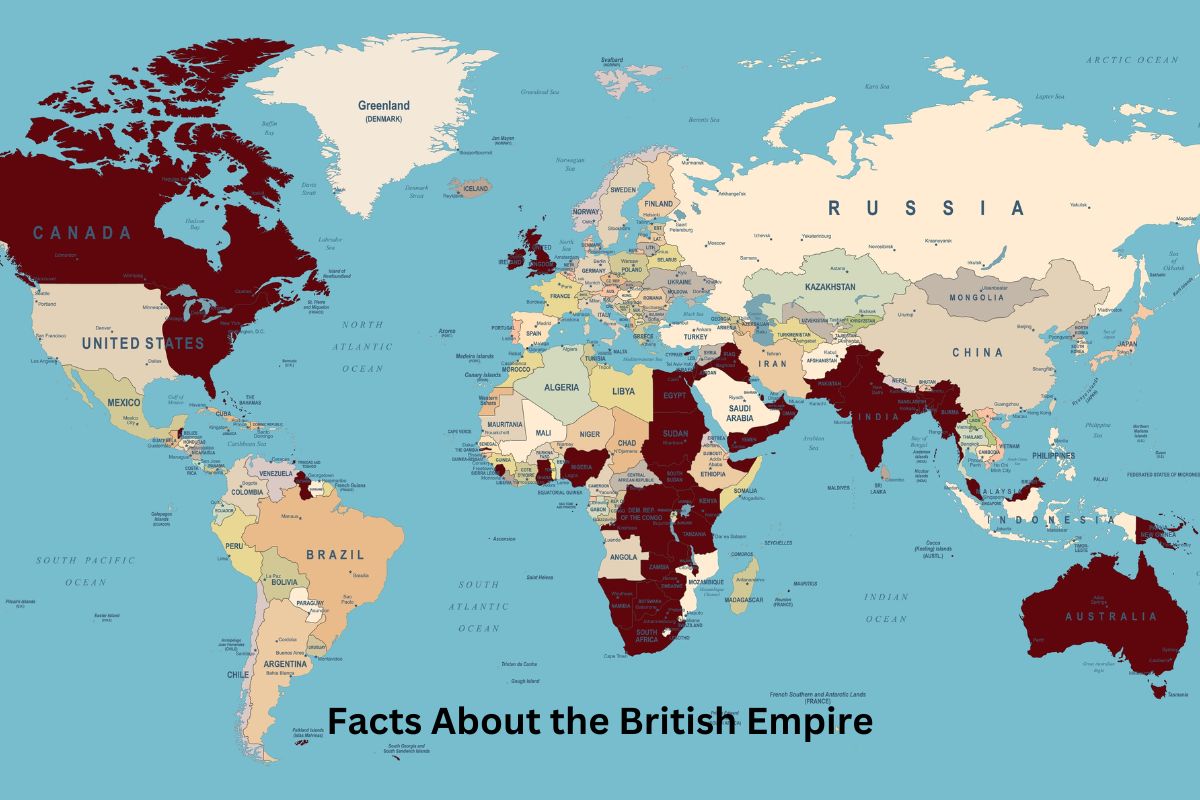
An uncompromising look at the awakening of the global South and the fading grip of old empires
By: Midmark Onsongo
Worth Noting:
- India, too, has found its voice, a vibrant democracy and a rising economic force that holds within it the legacy of colonial scars and the will to forge its own path. No longer the land of subjects under British rule, India stands as a beacon of possibility, its growth a testament to resilience and reinvention.
- The very British Empire that once proclaimed “the sun never sets” now finds itself in the dusk of its influence, facing a former colony that shines as a leader on the world stage. India’s tech industry, its space programs, its rapidly growing economy—these are not just signs of progress; they are signals of a world where the script has been flipped. Africa, Africa, the country that has borne the heaviest burden of imperial greed.
In the early 20th century, as Western nations flaunted their wealth and wielded their weapons, one man dared to envision the future differently. Cartoonist Bob Minor, in a striking image created nearly a century ago, captured what would become the world’s emerging reality: the rise of the global South, the “sleeping giants” of China, India, and Africa, standing tall against the looming shadows of Western imperialism.
He saw the powerful irony—the mighty guns, the stacks of gold, the forceful hand of Western empires that seemed unstoppable—while three vast continents stood, silent yet unbroken, rich not in weapons or wealth, but in people and potential. Why did the West become a world leader? It’s a legacy from the colonies, power from the weapon and pride from the ages.
They held the world in an iron fist, commanding alliances and bending weak countries to their will. America and Britain, under the banner of “liberty” and “civilization,” lied so widely, so deeply rooted, that even the victims believed it. But history has a way of moving under the feet of those who think they are standing still.
Today, almost a century after the Carton Miner, the balance of power is in trouble. The “long beds” that have been set aside begin to rise, causing tremors around the world. Look around: China, imprisoned by poverty and foreign oppression, is now a sovereign nation, a nation standing up to the empires that sought to rule it.
With transnational infrastructure projects and the Belt and Road Initiative connecting the world along the New Silk Road, China has become a leader and partner for countries eager to develop on their own terms. . The US may scream, stomp its feet, and retaliate, but China’s rise continues. “Let China sleep,” Napoleon once warned, “for when she wakes, she will shake the world.” And now, that prophecy resounds, louder than ever.
India, too, has found its voice, a vibrant democracy and a rising economic force that holds within it the legacy of colonial scars and the will to forge its own path. No longer the land of subjects under British rule, India stands as a beacon of possibility, its growth a testament to resilience and reinvention.
The very British Empire that once proclaimed “the sun never sets” now finds itself in the dusk of its influence, facing a former colony that shines as a leader on the world stage. India’s tech industry, its space programs, its rapidly growing economy—these are not just signs of progress; they are signals of a world where the script has been flipped. Africa, Africa, the country that has borne the heaviest burden of imperial greed.
It has been used for centuries, resources have been taken away, territories drawn by foreign hands have become desolate. Africa must be destroyed, a pawn in the game of the powerful. But here we see a land that is growing, a land that contains the seeds of its life. Countries like Nigeria, South Africa, Kenya and Ethiopia no longer want to be subject to Western history.
As they emerge, they make connections, use resources, and create stories of their own. The West is cautious and uncertain, because Africa’s potential means less control over natural resources than it has been neglected. The humor here is undeniable. For centuries, the West has built its wealth on the backs of the nations it now fears.
The life of a child of oppression and his strength is built in oppression. Now the nations themselves – exiled and defeated – are not actors on the world stage. Cartoon Minor captures this future: the giants have woken up from their slumber, and the Western powers that once dominated them seem small, their power at the end of the and it slips from their fingers like sand.
But let’s not say this change is good. No, the previous powers don’t give up easily. When they resist, they use every tool to maintain control. Economic sanctions, political sanctions, military bases scattered on foreign lands – these are the brutal methods of empires that feel that the country is crumbling beneath them.
Look at Western rhetoric, the same narrative that paints China as a threat, India as an adversary, and Africa as a problem. Scary, plain and simple. Fearing that the world they ruled was about to disappear, the giants who had been sleeping all day woke up. As these powers rise, new alliances are created, alliances that do not depend on the interests of the West.
BRICS, the alliance of Brazil, Russia, India, China and South Africa, is a symbol of this change – a group of countries that represent not only economic power, but also a vision of a multilateral world, where shared and non-shared power. . The fortunes of this alliance challenge the foundations of Western imperialism and deliver a balance the world has not seen in centuries. And the West is wary of expanding the influence of the BRICS, knowing that the organization could end its independence.
Is this not poetic justice? That those who once ruled with iron and fire now find themselves at the mercy of the same nations they oppressed. The people of these lands are awake, and with each passing day, they reclaim their voice, their dignity, their right to self-determination. Minor’s vision has come true, and as the giants of the global South rise, the old order trembles. What was once seen as unbreakable is now vulnerable, and the world watches as the sleeping giants shake off the chains of history, determined to shape their own future.
Empires built on exploitation cannot last. The tides of history are unrelenting, and no amount of guns, no mountain of gold, no fervent cries of “freedom” from imperial mouths can stop the inevitable. China, India, and Africa are not mere players in the West’s game—they are creators of a new narrative, one that no longer bows to Western whims. And perhaps this, above all, is what the West fears most: a world where they are no longer the center, a world where the giants stand tall and cast their own shadows across the globe.
One day, they said, these giants would wake. That day is here. And as they stand together, the old powers find themselves dwarfed by the very continents they once sought to control. The balance has shifted, and history, it seems, has a way of settling scores
This article was scripted by;
MIDMARK ONSONGO, SGS
(Socio-Geographic Scholar)
Similar Posts by The Mt Kenya Times:
- The generation that wants freedom but fears family
- Kenya political weather — The winds are changing
- Building Africa’s Future: The remarkable rise of Professor Clemence Jaricha
- Mahrez agrees Qatar move to join Al-Shamal as free agent
- Portugal hold firm to down Norway without Ronaldo
About the Author