Entertainment’s Endless Echoes: Artful Antics Amplifying Appalling Attitudes Against Authenticity
 The Mt Kenya Times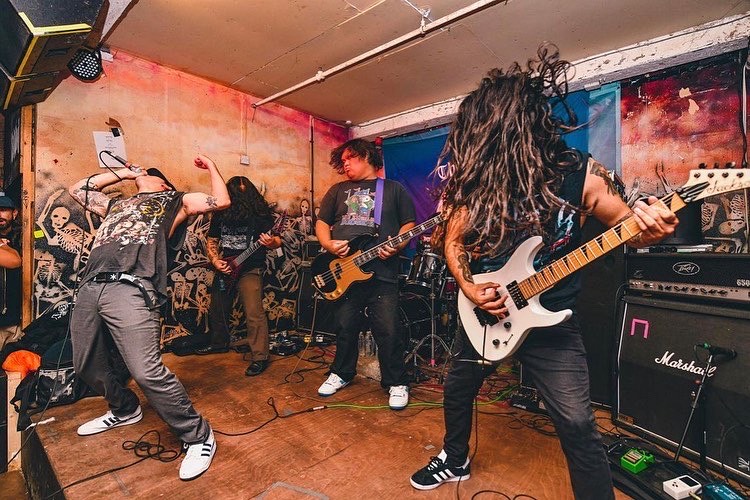
Entertainment's Endless Echoes
Why we ignore the entertainment industry’s role in shaping damaging stereotypes while masquerading it as art.
By: Midmark Onsongo
Worth Noting:
- Jump to 2020, and we witness the rise of shows like The Queen’s Gambit, where the brilliance of Beth Harmon, portrayed by Anya Taylor-Joy, shines brightly against the backdrop of a chessboard. While this series has been lauded for its portrayal of female empowerment, it is essential to acknowledge the subtle nuances of representation and the societal implications of depicting women as either savants or victims.
- The art of storytelling, when wielded carelessly, risks overshadowing the complexities of human experience with oversimplified narratives, reducing characters to mere symbols of broader societal issues. This misrepresentation echoes through the annals of media history, where the line between art and reality becomes increasingly blurred. And what about the world of music?
In a world where reality often blurs with the absurd, the entertainment industry stands as both a mirror and a magnifying glass, reflecting society’s quirks while amplifying its quirks, a blend of beauty and beastly behavior. As we indulge in the spectacle of cinema, television, and digital content, we find ourselves entrapped in a paradox: how can we champion creativity and freedom of expression while simultaneously allowing harmful stereotypes to fester and proliferate, wrapping our collective consciousness in a suffocating shroud of ignorance? This irony resonates deeply, echoing through the halls of Hollywood, echoing the discontent of communities marginalized by the very narratives that seek to entertain us. The clamor of laughter and applause rings hollow when the punchlines are rooted in prejudice, where the glitz and glam of storytelling serve as a convenient guise for disdain.
Consider, for instance, the raucous revelry of the 2004 blockbuster Mean Girls, a film that cheekily critiqued high school hierarchies while inadvertently solidifying the very stereotypes it sought to dismantle. Regina George, played by the charismatic Rachel McAdams, embodies the quintessential “queen bee,” a personification of manipulation and malice, where girls are reduced to mere caricatures of their own complexities. The film’s catchy quips mask a deeper malaise that permeates the teenage experience, reinforcing the belief that competition among women is a natural state, an artful dance of destruction that captivates audiences yet perpetuates a narrative that dehumanizes women. One can’t help but ask: is the cost of our entertainment worth the degradation of our integrity?
Jump to 2020, and we witness the rise of shows like The Queen’s Gambit, where the brilliance of Beth Harmon, portrayed by Anya Taylor-Joy, shines brightly against the backdrop of a chessboard. While this series has been lauded for its portrayal of female empowerment, it is essential to acknowledge the subtle nuances of representation and the societal implications of depicting women as either savants or victims.
The art of storytelling, when wielded carelessly, risks overshadowing the complexities of human experience with oversimplified narratives, reducing characters to mere symbols of broader societal issues. This misrepresentation echoes through the annals of media history, where the line between art and reality becomes increasingly blurred. And what about the world of music?
The genre of hip-hop, once a powerful vehicle for social change, has often succumbed to the allure of commercialism, spawning a plethora of songs that glamorize violence and objectification. Artists like Lil Wayne, whose lyrics drip with bravado, often drown out the voices of those yearning for authenticity in a sea of superficiality. The beats pulse with life, yet the lyrics tell tales of degradation, where the glorification of excess becomes a siren song that lures listeners into a false narrative of success. Why do we allow these anthems of aggression to dominate the airwaves, stifling the lyrical poetry that could inspire genuine discourse? The power of music, like the flicker of a candle, can illuminate truths or cast shadows that distort reality. Throughout history, we’ve witnessed the iron grip of entertainment on societal values. In the 1950s, films like The Searchers, starring John Wayne, romanticized the violence of colonialism, presenting a distorted view of Indigenous peoples that echoed the prejudices of the time. This allusion to historical inaccuracies not only shaped perceptions but also entrenched harmful stereotypes that lingered long after the credits rolled. The seduction of nostalgia can be misleading, as we overlook the damaging legacy left in the wake of our beloved classics. Isn’t it time we re-examine the stories we celebrate and the narratives we perpetuate?
The digital age has ushered in a new era of storytelling, where the accessibility of platforms like Netflix and Hulu grants voices to diverse creators, yet the specter of harmful stereotypes continues to haunt. Take, for instance, the popular series 13 Reasons Why, which, despite its intention to address mental health issues, sparked controversy for its portrayal of suicide and its aftermath. The backlash serves as a reminder that, even in the realm of art, responsibility is paramount; we must tread carefully when narrating stories that shape perceptions and influence minds. Are we prepared to confront the reality that our favorite shows may be contributing to the very issues they claim to address?
We cannot afford to stand idly by while the entertainment industry perpetuates these narratives. As consumers, we hold power in our choices; our viewing habits shape the landscape of what is produced. The call for authentic representation is not merely a request but a demand for accountability. It’s time to cultivate an environment where art serves as a platform for truth rather than a facade for falsehoods. We must challenge creators to elevate their narratives, to dare to delve into the complexities of the human experience, and to portray characters that resonate with the rich tapestry of diversity that exists in our world. As we traverse this labyrinth of art and reality, we must remain vigilant. The stories we choose to consume have the power to uplift or to undermine. Let us not fall prey to the seductive allure of stereotypes masquerading as entertainment. Instead, let us demand more from the artists who wield the pen and the camera, urging them to explore the depths of humanity with the respect it deserves. For in the end, art should reflect the beauty of our existence, embracing complexity rather than clinging to convenience. Will we rise to this challenge, or will we remain passive spectators in a narrative that dehumanizes entire communities under the guise of art? The choice is ours, and the time to act is now.
This article was scripted by;
MIDMARK ONSONGO, SGS
(Socio-Geographic Scholar)
Similar Posts by The Mt Kenya Times:
- Sengwer youth: When will Kenya stop treating a minority like an afterthought?
- When young lives become disposable
- The day death refused to be scammed
- Statement win at the Gtech: Brentford outclass Chelsea to claim all three points
- When disability funds become a frontier for accountability: Kenya’s PWDs refuse to be invisible
About the Author