The Political Fallout Of Labeling Malema’s Party A Rebel Group: A Strategic Misstep In South African Politics
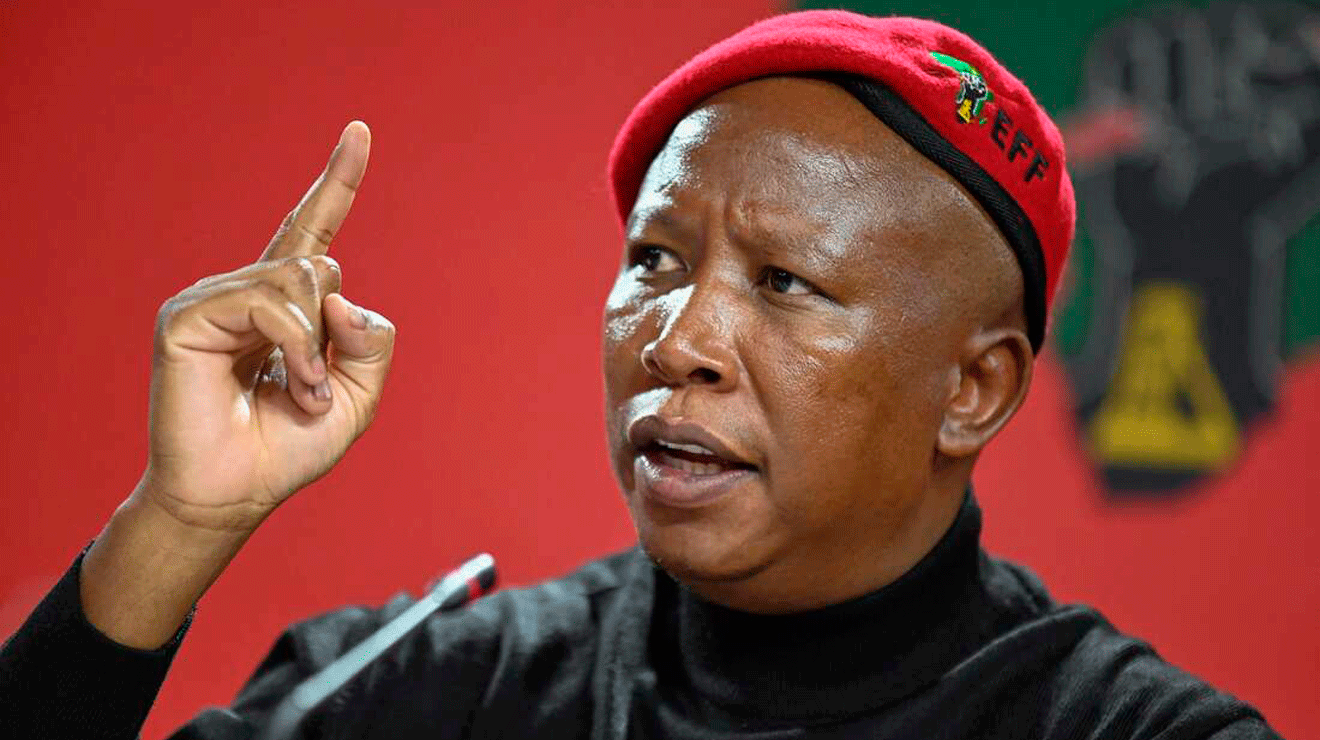
Economic Freedom Fighters (EFF) Leader Julius Malema
By: Silas Mwaudasheni Nande
Introduction
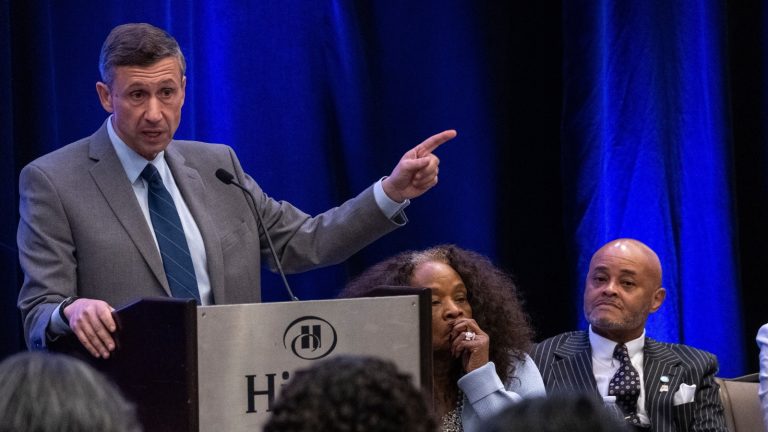
Political discourse is a delicate balance between ideological opposition and strategic diplomacy. In South Africa, where historical tensions and racial divisions remain deeply embedded in political narratives, the choice of words in political debates can have far-reaching consequences. The recent statement by the Democratic Alliance (DA) leader, John Steenhuisen, in the Oval Office, referring to Julius Malema and his party as a “rebel group,” has ignited controversy, raising concerns about political polarization, parliamentary confrontations, and racial tensions.
This article critically examines why this rhetorical misstep could escalate political hostilities, disrupt parliamentary debates, and fuel radical mobilization among Malema’s supporters. It also explores the historical context of political labeling, the implications for governance, and the strategic errors made in this diplomatic exchange.
Historical Context: The Power of Political Labeling
Throughout history, political figures have used labels to delegitimize opponents, often with unintended consequences. In South Africa, terms such as “terrorist,” “radical,” and “rebel” have been weaponized in political discourse, particularly during the apartheid era.
- Apartheid-Era Labeling – Anti-apartheid activists, including Nelson Mandela, were labeled terrorists by the apartheid government, a term later rejected by the international community.
- Post-Apartheid Political Rhetoric – The ANC, DA, and EFF have all engaged in strategic labeling to frame opponents as threats to democracy or economic stability.
- Global Parallels – Similar tactics have been used in the U.S., where political opponents are branded as extremists to justify policy decisions.
By calling Malema’s party a “rebel group” in the Oval Office, Steenhuisen inadvertently reinforced a narrative that could be exploited by Malema to mobilize his base, portraying himself as a revolutionary figure fighting against political suppression.
The Political Consequences in South Africa’s Parliament
South Africa’s parliamentary debates are often heated and confrontational, with Malema’s Economic Freedom Fighters (EFF) known for disruptive tactics. Steenhuisen’s statement could have several consequences in parliamentary proceedings:
1. Escalation of Hostilities
Malema and his supporters are known for their aggressive political style, often engaging in direct confrontations with opposition parties. Labeling them as a “rebel group” could:
- Fuel retaliatory rhetoric – Malema may respond by intensifying his attacks on the DA, and Steenhuisen in particular, accusing them of racist political suppression.
- Disrupt parliamentary proceedings – The EFF could use this statement as justification for boycotts, protests, or walkouts.
- Increase racial tensions – Given Malema’s stance on white economic dominance, this statement could be framed as an attempt to delegitimize black political movements.
2. Strengthening Malema’s Political Narrative
Malema has mastered the art of political mobilization, often portraying himself as a revolutionary leader fighting against economic inequality and white privilege. Steenhuisen’s statement inadvertently reinforces Malema’s narrative, allowing him to:
- Position himself as a victim of political suppression – Malema could argue that the DA is attempting to silence radical voices.
- Mobilize his supporters – The EFF thrives on anti-establishment rhetoric, and this statement could be used to energize grassroots movements.
- Frame the DA as an elitist party – By labeling Malema’s party as a “rebel group,” the DA risks being seen as disconnected from black South Africans.
3. Undermining Diplomatic Relations
The Oval Office is a global diplomatic stage, and statements made in this setting carry international weight. Steenhuisen’s remarks could:
- Damage South Africa’s political image – International observers may view this statement as evidence of deep political divisions.
- Affect U.S.-South Africa relations – The U.S. may reconsider its diplomatic approach toward South African political factions.
- Create internal instability – Political labeling can lead to internal party conflicts, weakening governance structures.
Malema’s Radicalism: A Dangerous Political Gamble
Julius Malema is notoriously radical, advocating for land expropriation without compensation and economic redistribution. His rhetoric often includes anti-white sentiments, which have sparked controversy.
Why Steenhuisen’s Statement Was a Strategic Error
- It underestimated Malema’s ability to weaponize rhetoric – Malema thrives on political confrontation and will likely use this statement to strengthen his movement.
- It alienated potential voters – Many black South Africans may view this statement as an attempt to delegitimize black political activism.
- It escalated racial tensions – Given South Africa’s historical racial divisions, such statements can fuel hostility rather than encourage dialogue.
Lessons for Political Leaders: Avoiding Rhetorical Pitfalls
To prevent similar diplomatic missteps, political leaders must adopt strategic communication tactics:
1. Use Neutral Political Language
- Avoid labels that can be weaponized by opponents.
- Focus on policy critiques rather than personal attacks.
2. Anticipate Political Reactions
- Understand how opponents will respond to statements.
- Prepare counter-narratives to prevent political exploitation.
3. Strengthen Parliamentary Diplomacy
- Encourage constructive debates rather than hostile confrontations.
- Promote cross-party dialogue to reduce political polarization.
Conclusion: The Need for Strategic Political Engagement
The DA leader’s misstep in the Oval Office serves as a critical lesson in political communication. Labeling Malema’s party as a “rebel group” was not only factually inaccurate but also politically reckless, fueling tensions that could disrupt parliamentary proceedings and strengthen Malema’s radical movement.
Future political leaders must exercise caution in their rhetoric, ensuring that political discourse remains constructive rather than divisive. South Africa’s political landscape is already volatile, and careless statements can exacerbate existing tensions, making governance more challenging.
By adopting strategic communication, anticipating political reactions, and promoting diplomatic engagement, leaders can navigate political debates effectively without unintended consequences.
Advice to DA Leader: John Steenhuisen
The DA leader, John Steenhuisen, must recognize that political rhetoric, especially in a global diplomatic setting like the Oval Office, carries immense weight and has far-reaching consequences beyond the moment of its delivery. Words are not simply statements; they are instruments of influence that shape public perception, political alliances, and institutional stability. Labeling Julius Malema and his party as a “rebel group” was an irresponsible strategic misstep, one that risks escalating tensions within South Africa’s political sphere, fueling racial divisions, and reinforcing Malema’s own narrative of being oppressed by the political establishment. Such language can easily be weaponized by Malema and his supporters to rally public sentiment against the DA, potentially deepening political polarization and making parliamentary collaboration more difficult. Moving forward, the DA leader must exercise greater precision in political communication, ensuring that statements are factual, measured, and diplomatically sound, rather than incendiary remarks that could undermine constructive discourse. The leader must also anticipate political backlash, recognizing how opponents will interpret and capitalize on such misjudgments. Instead of engaging in adversarial labeling, the DA should focus on critiquing policies and presenting alternative governance strategies that resonate with the electorate. South Africa’s democracy depends on robust yet responsible political engagement, and leaders must rise above reactionary rhetoric to ensure that debates remain progressive and solutions-oriented, rather than divisive and counterproductive.
It is good for Mr Steenhuisen to understand that the Government of National Unity (GNU) formed between the Democratic Alliance (DA) and the African National Congress (ANC) is founded on the principle of political collaboration and stability in a deeply polarized South Africa. At its core, this coalition seeks to bridge ideological divides, ensuring that governance remains effective despite historical tensions between parties with fundamentally different voter bases and policy priorities. However, reckless political rhetoric – such as Steenhuisen, as a leader of DA, labeling Julius Malema and his supporters a “rebel group” – poses a serious threat to the very foundation of this unity government.
Steenhuisen must know that he is white and his party is a minority party with a history of white electorates and general whiteness in the whole party, DA. The ANC, as the dominant party in the GNU, represents a black majority electorate that has endured decades of political struggle against systemic oppression. Within this demographic, terms like “rebel” carry historical weight, evoking memories of liberation movements that fought against apartheid. To casually apply this label to Malema and his supporters – who, despite their radical stance, still represent a significant portion of black South Africans – is not only insensitive but politically self-destructive for the DA. It risks alienating black constituents, many of whom might sympathize with Malema’s rhetoric, even if they do not align with his policies.
For John Steenhuisen, to label Julius Malema and his supporters as “rebels” is not just an attack on Malema – it is an affront to the collective consciousness of black South Africans, many of whom have endured historical struggles against systemic oppression. Even those who do not align with Malema or the Economic Freedom Fighters (EFF) carry a deep-seated sensitivity to political narratives that frame black activism as rebellious or illegitimate. The term “rebel” is loaded with historical weight, evoking memories of the liberation struggle, where black South Africans fought against apartheid-era forces that once dismissed them as insurgents rather than freedom fighters. Such rhetoric does not merely hit Malema – it courses through the veins and resonates within the bloodstream of black South Africans, reminding them of past attempts to delegitimize black political agency. Many may feel instinctively defensive, insulted, and provoked, even if they oppose Malema’s policies. This statement, therefore, risks alienating not just the EFF but also ordinary black citizens who value political dignity, making unity governance more fragile.
Moreover, Steenhuisen should know that the stability of the GNU depends on mutual trust and respect among all political factions, including opposition voices like the Economic Freedom Fighters (EFF). By using divisive language, the DA leader creates avoidable hostility, making it difficult for ANC members to maintain cooperative relationships within the unity government. The ANC, though ideologically opposed to the EFF on governance matters, cannot afford to be seen as complicit in language that disrespects black political movements. The DA leader’s statement might force ANC members to publicly distance themselves from such rhetoric, thereby weakening inter-party trust within the GNU.
Beyond the immediate consequences, such a misstep emboldens Malema. The EFF thrives on conflict-driven political engagement, and this labeling provides Malema with the perfect opportunity to rally his supporters, framing the DA as an extension of white dominance seeking to delegitimize black activism. Instead of silencing Malema, such rhetoric amplifies his influence, creating greater parliamentary chaos, more aggressive confrontations, and a deeper divide between the ruling coalition and opposition factions.
For the DA leader, John Steenhuisen, the lesson is clear: words shape political realities, and in a fragile unity government, every statement must be weighed carefully. If the DA hopes to maintain productive governance and avoid internal fractures, it must abandon inflammatory language and engage in policy-driven discourse rather than personality-based attacks. The future of the GNU hinges on the ability of its leaders to balance ideological differences without resorting to rhetoric that incites division. The DA leader must course-correct immediately, ensuring that political engagement remains strategic, respectful, and focused on national progress – not reckless confrontation.
Similar Posts by The Mt Kenya Times:
- The Darkness Within: A Critical Review of Joseph Conrad’s Heart of Darkness
- Diaspora Times Global Sep 5 – Sep 11, 2026
- Mt Kenya Times ePAPER September 5-6, 2026
- Kenya secures AGOA extension to 2028, unlocking continued duty-free access to US market
- Kenya’s public wage bill set to hit KSh1.287T as county spending strains fiscal limits
About the Author