Zimbabwe’s Constitutional Amendment Bill No. 3: A Recipe for Democratic Erosion?
 The Mt Kenya Times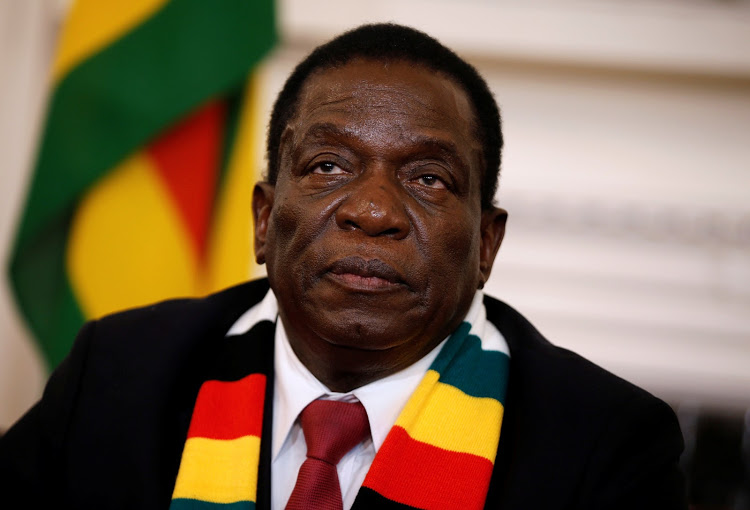
Zimbabwe's President Emmerson Mnangagwa
By: Norman Mwale
Zimbabwe’s Constitutional Amendment Bill No. 3 has ignited fierce debate, with critics arguing it consolidates executive power and undermines hard-won democratic gains. The bill proposes to extend presidential and parliamentary terms from five to seven years, replace direct presidential elections with parliamentary selection, and abolish independent commissions — moves that have sparked widespread opposition from civil society, legal bodies, and ordinary citizens alike.
“The bill directly attacks the democratic principle of ‘one man, one vote,'” says Lovemore Madhuku, president of the National Constitutional Assembly. Douglas Mwonzora, leader of an MDC faction, is equally alarmed, warning that the amendment threatens Zimbabwe’s democratic foundations. “This is not routine legislation,” he said. “This is an assault on the very foundation of our constitutional democracy.”
While the government maintains that the bill promotes stability, critics argue it prioritises elite interests over citizens’ rights. Madhuku is dismissive of the government’s outreach efforts: “The consultations are meaningless. There are no consultations taking place from Parliament.” The Zimbabwe Law Society shares these concerns, warning that the bill concentrates power within the executive, limits public participation, and weakens representative democracy. Also under threat is the Zimbabwe Electoral Commission’s independence, with key electoral functions reportedly being transferred to executive-controlled entities.
The bill is currently in the public consultation phase, with formal legislative processes expected to begin on or after 16 May 2026. Vice President Dominic Chiwenga’s position on the bill has not been made publicly available, though the government has been actively mobilising traditional leaders and chiefs to endorse it — a move that has raised serious concerns about impartiality. On the streets, citizens have not been silent. Protests have erupted in Harare and Bulawayo, with demonstrators denouncing the bill as a blatant “power grab.” The Southern African Development Community has also weighed in, expressing concern over the bill’s potential impact on regional stability.
The economic implications could be equally damaging. Critics warn the amendments may deter foreign investment, raise sovereign risk, and suppress economic growth. Rural communities, they say, stand to be disproportionately affected, with poverty and inequality likely to deepen. Supporters of the bill, however, insist it reinforces constitutional governance. Opposition groups, including the Citizens Coalition for Change, have vowed to resist its passage. As tensions continue to mount, Zimbabweans are left asking a pointed question: will their government choose power over democracy?
The United Zimbabwe Alliance argues the bill disenfranchises citizens and serves narrow partisan interests. President Mnangagwa’s administration, for its part, has justified the changes as necessary for long-term stability and economic growth. International organisations, including the European Union, have expressed concern about what the bill means for democratic governance in the country. The stakes, all sides agree, could not be higher.
Critics are calling for alternatives — among them, inclusive national dialogue and constitutional reforms that genuinely centre citizen participation. The outcome remains uncertain, with Zimbabweans anxiously watching to see what comes next in the legislative process.
Similar Posts by The Mt Kenya Times:
- Mt Kenya Times ePAPER October 24-25, 2026
- Muturi calls on IEBC to keep election technology tender clean and on schedule
- Ruto meets UAE minister in push to deepen trade ties
- Gideon Moi breaks silence on Ruto fallout, cites broken promises
- The doctor who refused to abandon a sick Uganda
About the Author