A fearless voice: Madzivanyika’s stand against executive overreach
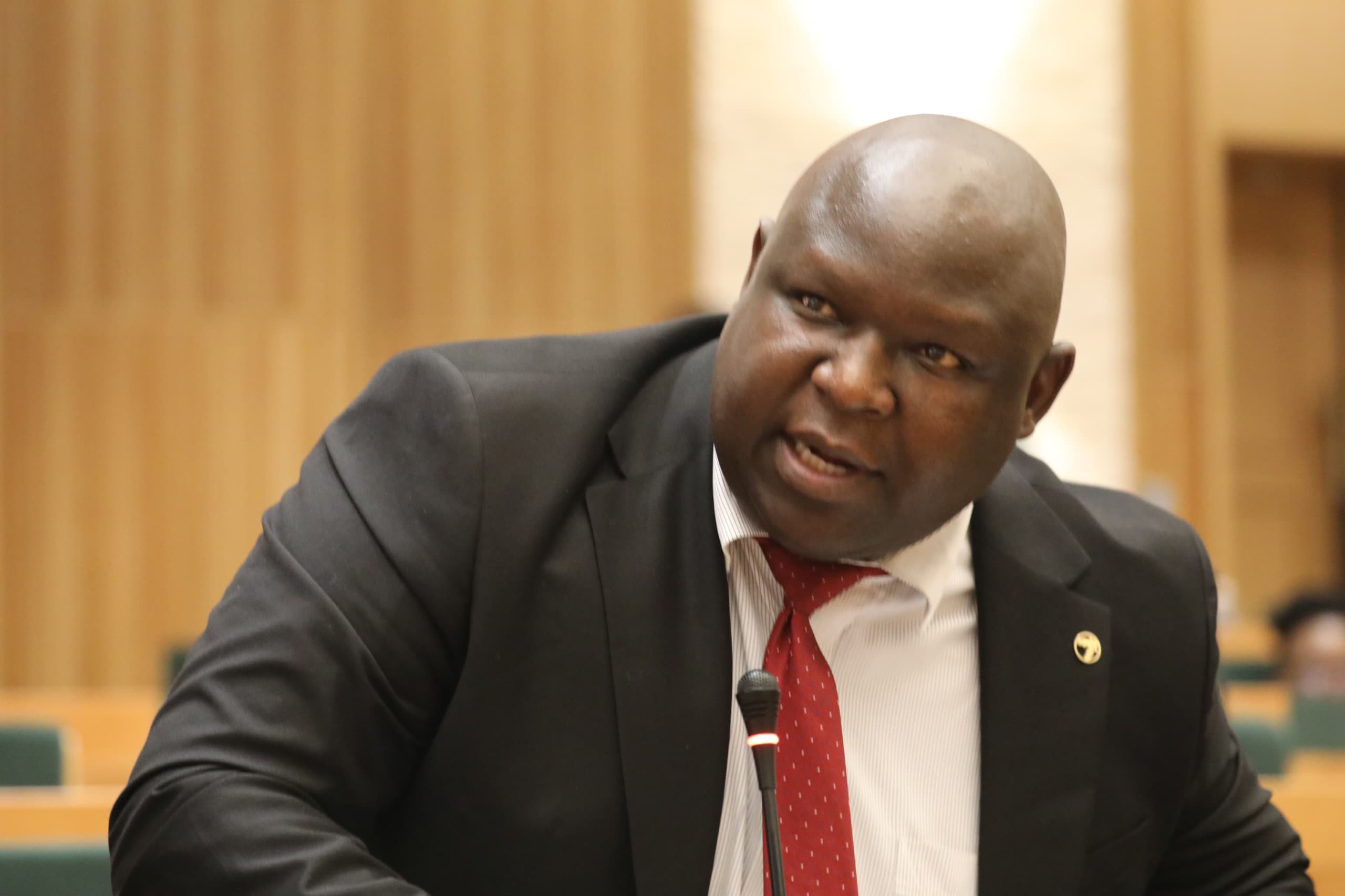
Corban Madzivanyika, the Member of Parliament for Mbizo in Kwekwe
The Mbizo MP is sounding the alarm on Parliament’s eroding oversight role — and his colleagues would do well to listen
By Norman Mwale
Corban Madzivanyika, the Member of Parliament for Mbizo in Kwekwe, has built one of Zimbabwe’s more formidable reputations as a legislator unafraid to speak uncomfortable truths to power — and his latest intervention suggests that reputation is very much intact.
Over the course of his parliamentary career, Madzivanyika has grilled officials over the protracted collapse of ZISCO Steel, championed small and medium enterprises suffocated by bureaucratic red tape, spotlighted the decay in local council service delivery, exposed corruption at Air Zimbabwe, and delivered a scathing rebuke of the controversial Constitutional Amendment Bill 3. Each intervention has added another layer to his standing as a genuine advocate for the ordinary Zimbabwean. Now, with characteristic composure, he has turned his attention to something arguably more fundamental: the slow erosion of Parliament’s ability to hold the Executive accountable.
Rising on a point of order with the unflappable calm that has become something of his trademark, Madzivanyika told the House that while appreciation for the President’s efforts is entirely warranted, it must never come at the expense of Parliament’s constitutional mandate to scrutinise those in power. “Invoking the President’s name risks undermining Parliament’s ability to hold the Executive accountable,” he said, his words cutting cleanly through the chamber’s noise. He warned that the daily, almost reflexive, referencing of the President’s name on the floor risked creating a damaging perception — that Parliament had been, in his words, “captured by the Presidium” — an impression he argued would compromise the institution’s relevance and credibility in the eyes of both citizens and the international community.
It is a warning worth taking seriously. Parliament’s constitutional role is not to affirm or celebrate the Executive. It is to question, scrutinise, and where necessary, restrain it. When that function is blurred — whether through political deference, partisan loyalty, or simple habit — the institution loses the very quality that gives it meaning.
The same sitting offered a vivid, if uncomfortable, illustration of the pressures Parliament is navigating. A debate on youth representation, in which Government Chief Whip Togarepi noted that the ruling party had already implemented a youth quota — with ten young MPs appointed to Parliament outside of direct election — descended sharply into disorder when Agency Gumbo, MP for Hatcliffe, Harare, remarked dismissively of some of his parliamentary colleagues: “They do not know anything.” The chamber erupted. MPs rose from their seats, voices overlapping in protest. One female parliamentarian, visibly incensed, slammed her fist on her desk as she responded. The Speaker intervened swiftly, ordering Gumbo to withdraw the remark or leave the House — but the pandemonium had already taken hold.
The episode was, in many ways, more revealing than any formal debate. A legislature consumed by personal animosity and performative outrage is one that struggles to perform its core function — and that, precisely, is the environment in which executive overreach tends to quietly flourish. When Parliament is distracted, the Executive advances. When the institution is seen as captured or chaotic, public trust erodes, the rule of law weakens, and the conditions for corruption and abuse of power become considerably more hospitable.
The international dimension matters too. Zimbabwe is watched closely by donors, development partners, and potential investors, all of whom take their cues partly from the quality and independence of its democratic institutions. A Parliament perceived as a rubber stamp is not simply a domestic governance failure — it carries real economic and diplomatic consequences.
Madzivanyika’s intervention will not, on its own, resolve these tensions. But it represents exactly the kind of principled, institutionally grounded pushback that Zimbabwe’s legislature needs more of, not less. The question is whether enough of his colleagues are willing to set aside partisan comfort and join him in defending what Parliament is actually for.
An oversight institution that has forgotten how to oversee is not an institution at all. It is a formality. And Zimbabwe, at this moment in its history, can ill afford the difference.
Similar Posts by The Mt Kenya Times:
- Poisoned bottle: Are we drinking ourselves into early graves?
- How Kenya and South Africa constitutionalized concentration while preaching the gospel of the disadvantaged
- Discipline begins at home
- Onana escapes serious injury in three-car crash
- Kompany rushed to hospital after training collapse
About the Author