By David James
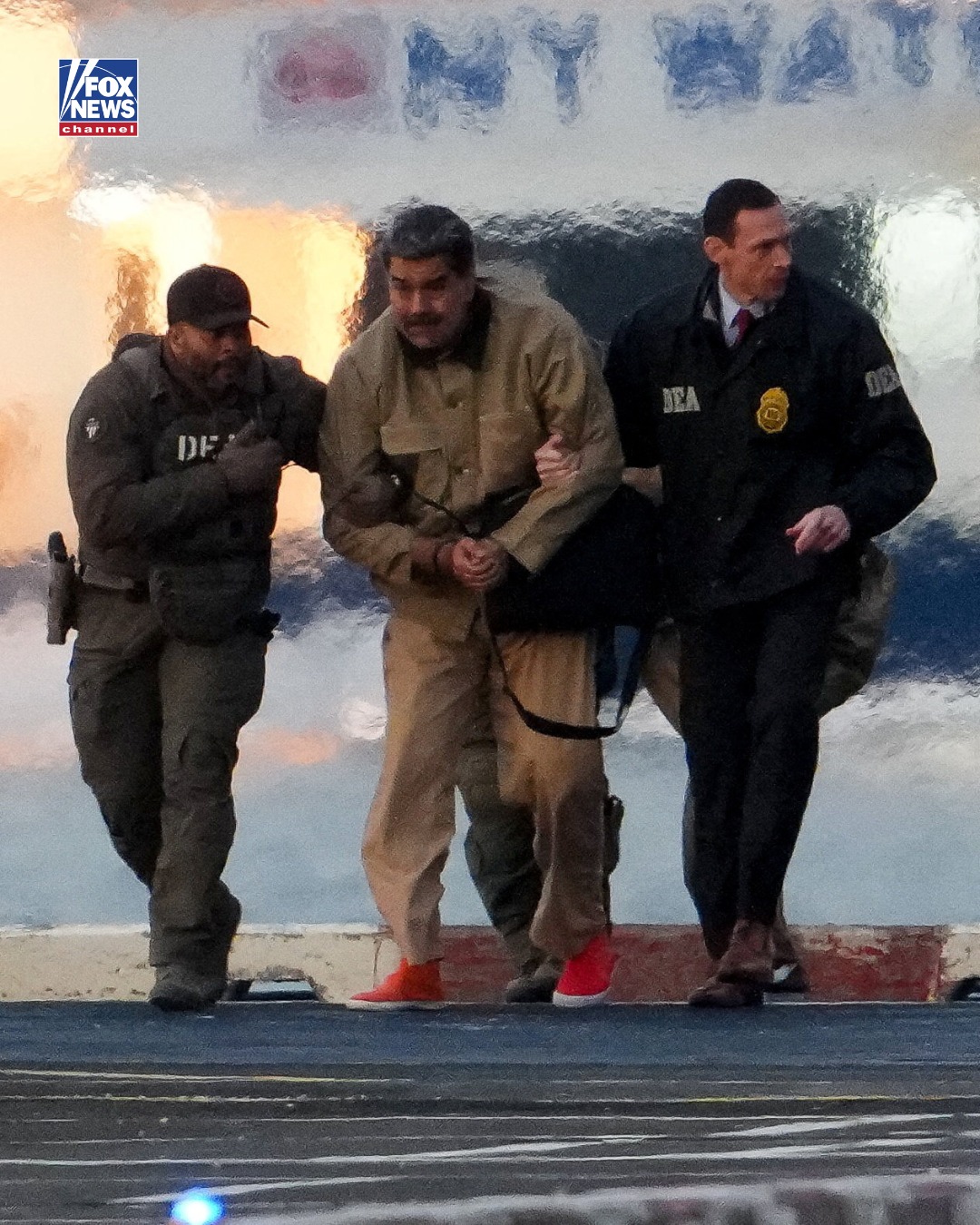
Caracas awoke on January 3 to a jolt that reverberated far beyond its borders: a U.S. military operation that culminated in the seizure of President Nicolás Maduro and his wife, Cilia Flores. The shockwaves of that night have not subsided. Now, Venezuela’s Defense Minister Vladimir Padrino López has confirmed that an investigation is under way, a probe that he insists will “allow the country to learn, evaluate and make adjustments” to the transformation plan for the Bolivarian National Armed Forces. His words, delivered on National Dignity Day, carried both defiance and unease — a recognition that Venezuela’s sovereignty had been pierced by what he described as “extremely high technology.”
The announcement was more than bureaucratic formality. It was a declaration of intent, a signal to allies and adversaries alike that Caracas would not let the January 3 operation fade into silence. For a nation long defined by its tense relationship with Washington, the incident has become a crucible moment, testing the resilience of Venezuela’s institutions and the credibility of its leadership.
Details of the U.S. operation remain murky. American officials have offered little beyond confirmation that “a targeted mission” was carried out, citing national security concerns. Venezuelan state media has portrayed the raid as an act of aggression, a violation of international law, and a continuation of Washington’s decades-long campaign to undermine the Bolivarian revolution. Witnesses in Caracas reported unusual aerial activity on the night of January 3, with drones and low-flying aircraft seen near the presidential compound. By dawn, Maduro and Flores were gone, whisked away in what Venezuelan officials later described as a “kidnapping.” The Pentagon has neither confirmed nor denied the use of advanced drone technology, but analysts point to the Defense Minister’s reference to “extremely high technology” as a clue that electronic warfare and precision surveillance played a role.
The seizure of Maduro has plunged Venezuela into political uncertainty. While Vice President Delcy Rodríguez has sought to project stability, declaring that “the revolution continues,” the absence of the president has left a vacuum. Supporters of the government have rallied in the streets, chanting slogans of resistance, while opposition figures have cautiously suggested that the moment could mark a turning point in Venezuela’s long crisis. Internationally, reactions have been divided. Russia and China condemned the U.S. operation, calling it a violation of sovereignty. Moscow’s foreign ministry described it as “a reckless escalation,” while Beijing urged Washington to “respect international norms.” In contrast, several Latin American governments, including Colombia and Brazil, expressed muted support, framing the operation as a step toward restoring democracy.
Padrino’s remarks were timed to coincide with National Dignity Day, a symbolic occasion commemorating Venezuela’s resistance against foreign intervention. The choice of venue was deliberate: to cast the investigation not merely as a bureaucratic exercise but as part of a broader narrative of defiance. “We will learn, we will evaluate, and we will adjust,” he declared, his words echoing across a military parade ground filled with soldiers in ceremonial dress. The Defense Minister’s emphasis on transformation reflects a longstanding ambition to modernize Venezuela’s armed forces. Yet the January 3 operation has exposed vulnerabilities, raising questions about the military’s ability to defend against technologically advanced adversaries.
In Washington, officials have framed the operation as a necessary measure against a regime accused of corruption, human rights abuses, and ties to narcotics trafficking. The State Department reiterated its position that Maduro’s government is illegitimate, pointing to disputed elections and the suppression of dissent. Still, the decision to seize a sitting head of state marks a dramatic escalation. Legal scholars have debated the implications, with some arguing that the move sets a dangerous precedent in international relations. Others contend that Maduro’s alleged crimes justify extraordinary measures.
For ordinary Venezuelans, the episode has added another layer of uncertainty to daily life already marked by economic hardship and political instability. Inflation remains rampant, basic goods are scarce, and millions have fled the country in recent years. The seizure of Maduro has sparked both hope and fear: hope that change may finally come, fear that the nation could descend into deeper turmoil. In the barrios of Caracas, conversations oscillate between disbelief and resignation. “We woke up and the president was gone,” said one shopkeeper. “It feels like we are living in a movie.” Others expressed skepticism, suggesting that Maduro’s disappearance might be temporary or part of a larger political maneuver.
As the investigation unfolds, Venezuela faces a daunting set of challenges. The military must confront its vulnerabilities, the government must navigate a leadership crisis, and the nation must grapple with its place in a world where sovereignty is increasingly contested. For Padrino, the task is formidable. His promise to “make adjustments” suggests a recognition that Venezuela’s armed forces must adapt to new realities. Whether that means investing in cyber defense, expanding drone capabilities, or forging deeper alliances with Russia and China remains to be seen.
What is clear is that the January 3 operation has altered the trajectory of Venezuelan politics. It has exposed the fragility of the Maduro regime, highlighted the reach of U.S. military power, and underscored the volatility of a region where ideological battles continue to shape destinies. The seizure of Nicolás Maduro and Cilia Flores was not just a dramatic episode in Venezuela’s ongoing saga. It was a moment that crystallized the tensions between sovereignty and intervention, between defiance and vulnerability. As the investigation proceeds, the world watches closely, aware that the outcome will reverberate far beyond Caracas. For Venezuela, the stakes could not be higher. The nation stands at a crossroads, its future uncertain, its dignity tested, its resilience on trial.
Similar Posts by The Mt Kenya Times:
- Diaspora Times Global Oct 24 – Oct 30, 2026
- America’s baby bust: U.S. birth rate hits record low as women choose later motherhood
- Literary Outreach Incubation Program Instills The Culture From Book Adaption To Spoken Words
- Why starting school too early is failing our children
- Who defines Africa’s destiny? The western lens, African compliance and the struggle for intellectual sovereignty
About the Author