The Mt Kenya Times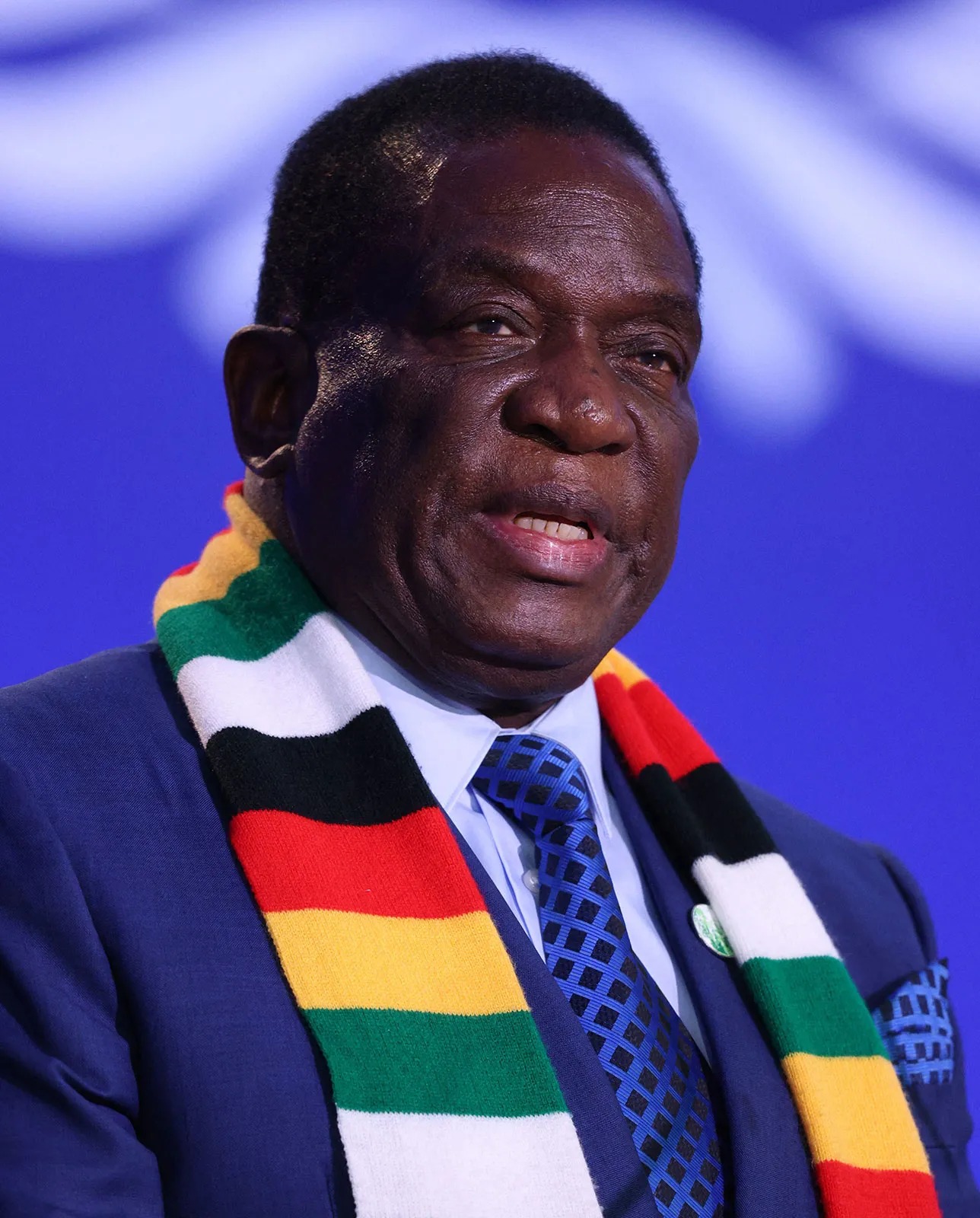
President Emmerson Mnangagwa
As Parliament pushes constitutional changes to 2030, Zimbabwe is split over reform, power, and public trust.
By Norman Mwale
Constitutions are meant to be the guardrails of democracy. In Zimbabwe, however, they have too often become the battleground where power is contested.
The country is once again debating the shape of its constitutional order, as Parliament advances the Constitution of Zimbabwe Amendment Bill No. 3. The Bill has moved through a series of provincial public hearings since early 2026, with the committee reporting significant contributions from communities in Manicaland, Midlands, and other provinces.
Yet the process has been contested from the outset. Opposition groups withdrew from the hearings, arguing that consultation was compressed to fewer than seven days in some areas and that reports of intimidation and violence made meaningful participation impossible. The National Constitutional Assembly, the Defend the Constitution Platform, and the Constitution Defence Forum have since announced a coordinated framework to oppose the amendments, stating that the process is fundamentally flawed and inconsistent with the spirit of the 2013 Constitution.
At the heart of the proposals are changes to the length and manner of electing the presidency and Parliament. The Bill seeks to extend both presidential and parliamentary terms from five to seven years and to shift the election of the President from a direct popular vote to a parliamentary vote. It also provides for the creation of a new Zimbabwe Electoral Delimitation Commission, whose members would be appointed by the President, with the chairperson chosen after consultation with the Judicial Service Commission.
President Emmerson Mnangagwa has personally endorsed the changes, declaring that “reform is not betrayal. Reform is fidelity to the principle that governance must evolve to meet the needs of the nation.” Government officials and ZANU-PF argue the Bill will reduce election-related toxicity and allow more time for development projects such as clinics, roads, and dams.
In Midlands, provincial chair Edson Chakanyuka Chiherenge said the province had “unanimously endorsed” the proposal to ensure continuity and stability, with the stated goal of letting the President “lead until 2030.” In Bulawayo, provincial chair Jabulani Sibanda framed the amendments as an assertion of sovereignty, noting that a written constitution must evolve according to the country’s own vision — not that of outsiders.
The opposition sees the same proposals in a very different light. Leaders from the Citizens Coalition for Change and the MDC Alliance — including Tendai Biti and Jameson Timba — have described the amendments as an attempt to centralise power in the executive and diminish the role of the electorate.
Kwekwe Central MP Hon. Corban Madzivanyika has been equally direct, stating that “Bill 3 weakens the people’s Constitution by concentrating power in the executive. It seeks to extend tenure through amendment rather than electoral mandate, and that sets a dangerous precedent for constitutional governance in Zimbabwe.”
In Parliament, he also cautioned against the distribution of handouts during the amendment process, calling it “vote buying and a dangerous inducement that corrodes electoral integrity and undermines the peace and freedoms enshrined in our Constitution.”
Critics further argue that the new Delimitation Commission — whose members would hold office at the President’s pleasure — cannot be truly independent, and that the compressed hearing process does not meet the 90-day requirement set out in Section 328 of the Constitution. Civil society organisations such as Zimbabwe Lawyers for Human Rights and the Zimbabwe Peace Project have echoed these concerns, warning that the amendments erode the democratic gains of 2013 and weaken the country’s checks and balances.
The regional and international response has so far been muted. No formal statements have yet been issued by SADC or the African Union. Domestically, ZANU-PF officials have framed the Bill as a shield against foreign interference, urging those with grievances to engage within the “revolutionary garage” rather than seek external alternatives. International human rights bodies have flagged procedural concerns — particularly around the shortened consultation period and allegations of intimidation — though no diplomatic positions have been announced.
If the Bill succeeds, Zimbabwe would enter a longer political cycle extending to 2030, with a President elected by Parliament and a reconstituted delimitation process. Proponents argue this would provide the policy continuity needed to complete major infrastructure and economic programmes without the constant disruption of electoral cycles.
Critics counter that it would entrench incumbency and reduce electoral accountability — and that public trust in constitutional processes may decline further as a result. As COPAC participant Paul Mangwana has observed, no constitution is perfect at birth, and amendment is part of ensuring that democracy remains functional and aligned with developmental aspirations.
Whether Amendment No. 3 achieves that kind of refinement — or undermines it — will depend on how Parliament handles the remaining legislative stages, and whether the process can restore the confidence of those who have already walked away from it.
Similar Posts by The Mt Kenya Times:
- Diaspora Times Global Oct 17 – Oct 23, 2026
- Is social media a blessing or a curse for university students?
- Light at last: How electricity is reshaping Nandi and Uasin Gishu
- The triple squeeze: how EPRA’s fuel price hike is reshaping the survival equation for the common mwananchi
- Zelenskyy accuses Trump of rewarding Putin as Pope pleads for peace from a hospital bed
About the Author