Securing The Future Of Real Estate: Sectional Titles And The Rise Of Mixed-Use Developments In Kenya
 The Mt Kenya Times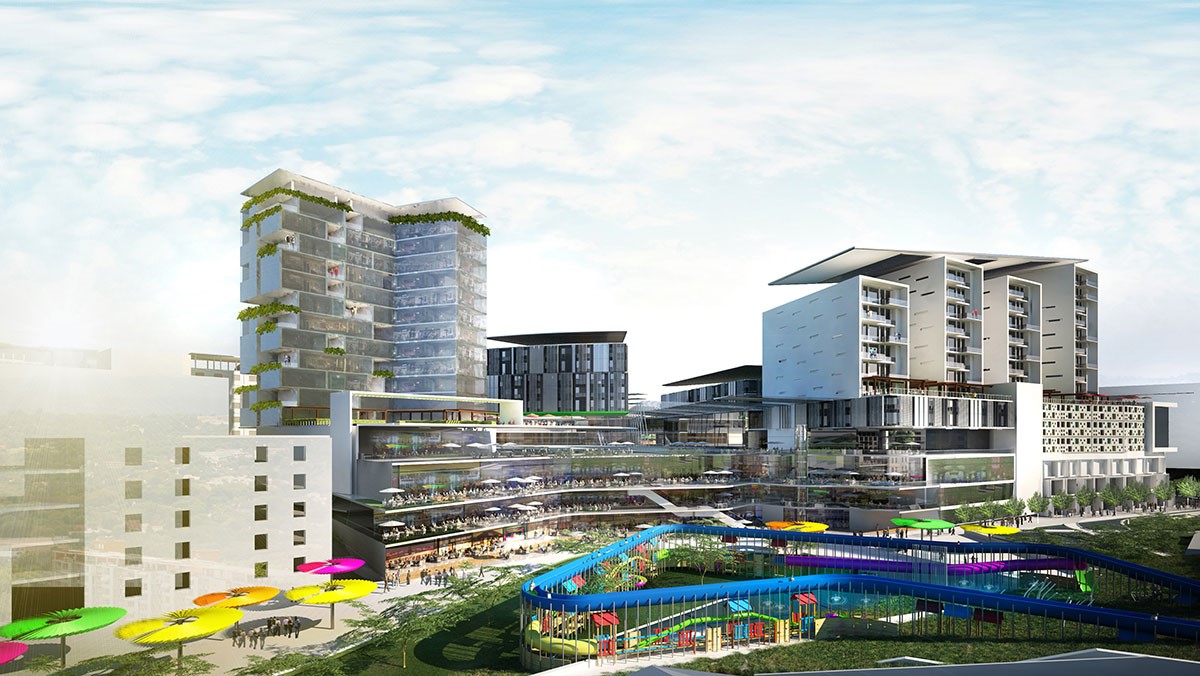
By Jerameel Kevins Owuor Odhiambo
Kenya’s real estate sector has experienced remarkable transformation over the past decade, with mixed-use developments proliferating across major urban centers. According to the Kenya National Bureau of Statistics, the construction industry contributed approximately 5.4% to GDP in 2023, with residential and commercial property development driving significant portions of this growth. Nairobi alone has witnessed the completion of over 15 major mixed-use developments since 2020, combining retail spaces, office complexes, and residential apartments within single properties. This surge reflects a fundamental shift in how Kenyans approach property ownership and investment, particularly through the adoption of sectional title ownership structures that offer legal clarity and individual property rights within shared developments.
 Sectional titles represent a form of property ownership governed by the Sectional Properties Act, allowing multiple owners to hold individual titles to specific units within a larger development while sharing ownership of common areas. Think of it as owning your apartment outright rather than merely holding shares in a company that owns the building. Each unit owner receives a separate title deed for their specific space; whether it’s a residential apartment, office suite, or retail shop, alongside an undivided share in the common property such as corridors, elevators, parking areas, and recreational facilities. This structure has gained tremendous traction in Kenya because it provides bankable security; financial institutions readily accept sectional titles as collateral for mortgages and business loans, unlike alternative arrangements that may present valuation and enforcement challenges. For investors and homeowners alike, sectional ownership offers the psychological and financial benefits of outright ownership while enjoying the amenities and economies of scale that come with shared developments. The Land Registrar maintains a separate register for sectional properties, ensuring transparency and legal certainty that protects buyers from the fraudulent transactions that have occasionally plagued Kenya’s property market.
The differences between leases, sub-leases, and sectional titles are not merely technical; they fundamentally determine your rights, obligations, and investment security. A lease grants you temporary possession and use of property for a specified period, typically 99 years for commercial and residential properties on government or private land, but you never own the underlying asset. When that lease expires, your rights revert to the freeholder unless renewed, and renewal is neither automatic nor guaranteed. Sub-leases compound this complexity; if you hold a sub-lease from a leaseholder, your interest is derivative and subordinate, terminating automatically if the head lease is forfeited or expires. This creates a precarious investment position, particularly for businesses planning long-term operations or individuals building generational wealth. Sectional titles, conversely, provide ownership in perpetuity or for the duration of the underlying land tenure, offering stability that leases simply cannot match. Consider a practical scenario: a business investing Ksh 50 million to fit out a restaurant space will approach that investment entirely differently if they own the unit under sectional title versus holding a 10-year sub-lease, where the capital invested may never be recovered and improvements revert to the landlord upon termination. For residential investors, sectional titles ensure your children can inherit your property without navigating complex lease assignment procedures or facing escalating ground rents that erode value over time.
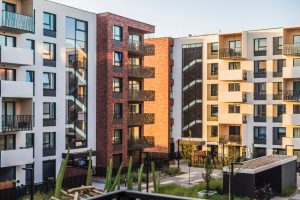 Mixed-use developments properties that seamlessly integrate residential, commercial, retail, and sometimes hospitality components have emerged as the gold standard for modern real estate investment in Kenya. Projects like The Hub in Karen, Garden City on Thika Road, and Two Rivers in Runda exemplify this model, creating self-contained ecosystems where residents live steps away from shopping, dining, entertainment, and office spaces. The investment case for mixed-use properties is compelling: they generate diversified income streams that cushion against sector-specific downturns. When residential rental markets soften, retail and office components may remain robust, and vice versa. From a practical standpoint, mixed-use developments also command premium valuations because they address Kenya’s urban challenges; traffic congestion, time poverty, and the desire for convenience by bringing work, home, and leisure into proximity. For property owners, this translates to higher capital appreciation rates and stronger rental yields. A studio apartment in a mixed-use development with ground-floor retail and rooftop amenities can command 20-30% higher rent than a comparable standalone unit, simply because tenants value the integrated lifestyle offering. Businesses similarly benefit from captive foot traffic; a gym, supermarket, or café within a mixed-use building enjoys consistent patronage from residents and office workers, reducing marketing costs and stabilizing revenue
Sectional titles have become the preferred ownership structure for mixed-use developments because they align the interests of diverse stakeholders while providing each owner with autonomy and security. In a traditional leasehold arrangement, a single landlord controls the entire property, determining rental escalations, maintenance standards, and tenant mix. Sectional ownership democratizes these decisions through body corporate structures, where unit owners collectively govern the property through elected management committees. This is particularly advantageous in mixed-use settings where residential owners want quiet enjoyment while commercial owners seek vibrant customer activity sectional title frameworks mandate clear rules balancing these interests. From a financing perspective, banks and institutional investors favor sectional titles because they can assess risk and value at the individual unit level rather than evaluating an entire complex as a single asset. This granularity has opened Kenya’s real estate market to smaller investors who can acquire single units rather than requiring the substantial capital needed to purchase entire buildings. Retirement funds, SACCOs, and diaspora investors have particularly embraced sectional title units in mixed-use developments, viewing them as stable, income-generating assets with clear exit strategies through resale markets that have matured significantly over the past five years.
The concept of future-ready properties extends beyond contemporary design aesthetics to encompass adaptability, sustainability, and technological integration that preserve value amid evolving market demands. Kenya’s real estate landscape is witnessing a decisive shift toward developments that incorporate green building principles, renewable energy systems, electric vehicle charging infrastructure, and high-speed connectivity as standard features rather than luxury additions. Forward-thinking developers are designing flexible floor plans that allow residential units to accommodate home offices or commercial spaces to be reconfigured as tenant needs change, recognizing that rigid, single-purpose designs become obsolete quickly. Water harvesting systems, solar panels, and energy-efficient building envelopes are no longer differentiators; they are essential requirements for properties targeting discerning buyers and tenants who calculate total cost of ownership beyond purchase price. Sectional title developments that embed these features into common property elements share the capital investment across all owners while ensuring every unit benefits from reduced utility costs and environmental resilience. For investors evaluating opportunities, the question is not whether these features add value but whether properties lacking them will remain competitive. A sectional title unit in a building with backup power, water storage, and modern security systems will consistently out-rent and appreciate faster than comparable units in conventional developments, particularly as climate variability and infrastructure challenges persist in Kenyan cities.
Successfully navigating mixed-use sectional title investments requires attention to several critical factors beyond the headline purchase price. First, scrutinize the body corporate structure and financial health; a poorly managed property with inconsistent service charge collection will deteriorate rapidly, destroying value regardless of location or initial quality. Review audited accounts, maintenance schedules, and the management rules governing everything from pet policies to commercial signage; these seemingly minor details dramatically impact your enjoyment and the property’s marketability. Second, understand the ratio of commercial to residential units and how this affects your sectional title share of common property expenses; commercial units typically generate higher service charges due to greater wear on common areas, but this should be proportionately allocated. Third, verify that the developer has obtained all necessary approvals including subdivision consent from the Land Control Board, county government planning approvals, and environmental compliance certificates, before committing funds. Kenya’s property sector has seen instances where buyers purchased units in developments later found to violate zoning regulations or lacking proper approvals, resulting in demolition orders or inability to obtain occupancy certificates. Finally, engage qualified legal counsel to review the sectional title deed, body corporate constitution, and any restrictive covenants that may limit your use or future sale of the property; these upfront legal costs are minimal compared to the potential losses from inadequately documented ownership.
Kenya’s real estate market is maturing from speculative land banking and basic residential development toward sophisticated, institutional-grade mixed-use properties that deliver sustained returns through multiple economic cycles. Sectional titles provide the legal architecture enabling this evolution, allowing diverse investors to participate in complex developments while maintaining clear property rights and governance structures. For business owners, the decision between leasing and purchasing a sectional title unit in a mixed-use development increasingly favors ownership when capital is available, given the equity accumulation, balance sheet strengthening, and operational stability that ownership provides. Residential investors should view sectional title units not merely as housing but as integrated lifestyle assets that appreciate through both capital growth and the continuous enhancement of shared amenities funded through body corporate improvements. The next wave of real estate wealth in Kenya will be built by those who recognize that future-ready, well-governed mixed-use developments with clear sectional title ownership offer the optimal combination of security, income generation, and capital appreciation. As urban populations grow and land becomes scarcer, the premium commanded by thoughtfully designed mixed-use properties with solid legal foundations will only widen, making today’s informed investment decisions tomorrow’s success stories.
The writer is a legal writer and researcher
Similar Posts by The Mt Kenya Times:
- Mt Kenya Times ePAPER October 17-18, 2026
- Ruto bets billions on Kerio Valley — with one eye on 2027
- Ruto’s health ministry kills Murang’a’s digital hospitals
- Kenya bets on Mount Kenya to drive a billion-shilling tourism revival
- Do you have a wealth vision? Or are you just working until you die?
About the Author