Unity call grows louder as Mau Mau groups push for recognition and compensation
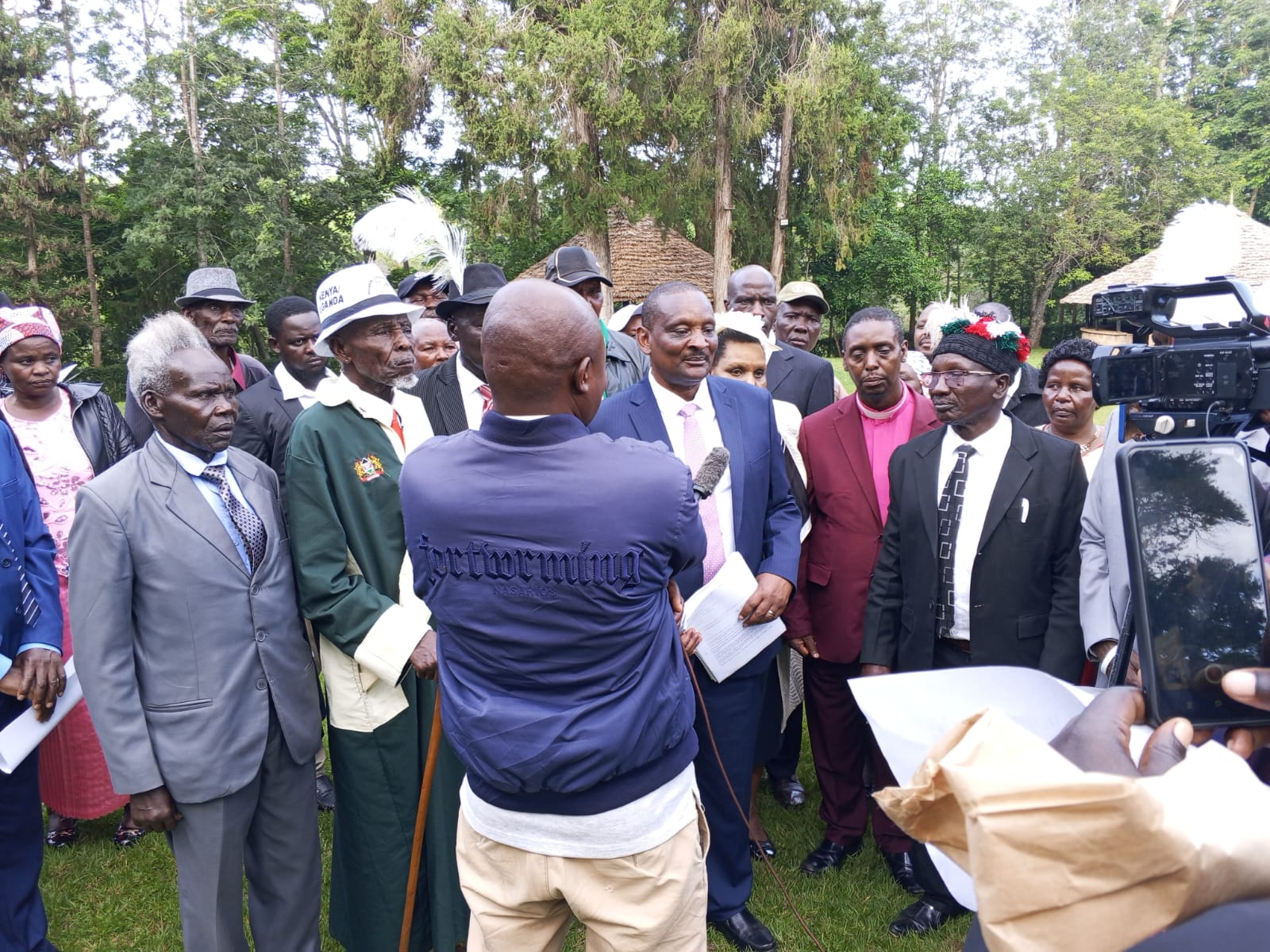
James Njuguna Mahuria receiving documents after the ceremony.
By MKT Reporter
Calls for unity among groups representing veterans of the Mau Mau Uprising are gaining momentum, as leaders warn that fragmentation continues to weaken their decades-long quest for justice, recognition, and compensation.
During a meeting held at Blue Post Hotel, where James Njuguna Mahuria was installed as the leader of MMV Associates CLG, former freedom fighters and their descendants stressed the urgent need to consolidate efforts under a unified umbrella. They noted that splintered representation has made it difficult to effectively negotiate with the government and international actors.
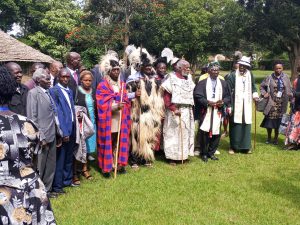
Mahuria, installed by elders drawn from different communities, pledged to work collaboratively with other leaders to advance the common interests of surviving veterans and millions of their descendants.
He expressed optimism that consensus could soon be reached on key issues, including the establishment of a national day of prayer and remembrance for Mau Mau fighters.
Kenya is home to numerous organizations claiming to champion the welfare of Mau Mau veterans and their families.
Prominent among them are the Mau Mau War Veterans Association, the Mau Mau Original Trust, and several regional and community-based associations.
Estimates suggest there are over 15 such groups, each operating independently with overlapping mandates; often competing for legitimacy, membership, and access to government engagement.
This fragmentation has long been cited as a major obstacle in their pursuit of justice. Despite the historic 2013 settlement between the British government and a group of Mau Mau claimants; where over 5,000 victims received compensation for torture and abuse during colonial rule, many veterans and their descendants argue that thousands more were left out.
They continue to demand broader recognition and reparations, including land restitution and financial compensation.
The Mau Mau rebellion, a key chapter in Kenya’s struggle for independence, saw thousands detained, tortured, and displaced under British colonial rule.
While the Kenyan government officially recognized Mau Mau fighters as heroes in 2003, activists say symbolic recognition has not translated into meaningful socio-economic support.
Many veterans, now elderly and living in poverty, have repeatedly petitioned both the Kenyan and British governments.
Their demands include comprehensive compensation frameworks, access to healthcare, and formal inclusion in national history narratives and education curricula.
Mahuria emphasized that his organization, which draws members from all 47 counties, remains non-political and focused on promoting unity and peace.
He reiterated that only a united front would give the movement enough weight to secure long-overdue justice.
Analysts and historians echo this sentiment, noting that a cohesive national body representing Mau Mau interests could strengthen advocacy efforts, streamline legal claims, and improve engagement with stakeholders.
As the number of surviving veterans dwindles, urgency is mounting.
For many, unity is no longer just strategic; it is essential to ensuring that the sacrifices of the Mau Mau generation are fully acknowledged and compensated before it is too late.
Similar Posts by The Mt Kenya Times:
- Seven women’s rights organisations in Africa launch coalition for gender equality and media sustainability
- Carrying babies while studying: The real struggles of student parents on Kenyan campuses
- Ruto: Why are some African leaders hesitating on the Lamu refinery?
- Your certificate has no power of its own: It borrows power from the brand you are killing
- Kinoti Marete backs Samburu security operation, rallies Meru aspirants to PPK
About the Author