Bio Tank Africa opens Nakuru branch to bridge county’s gaping sanitation deficit
 The Mt Kenya Times
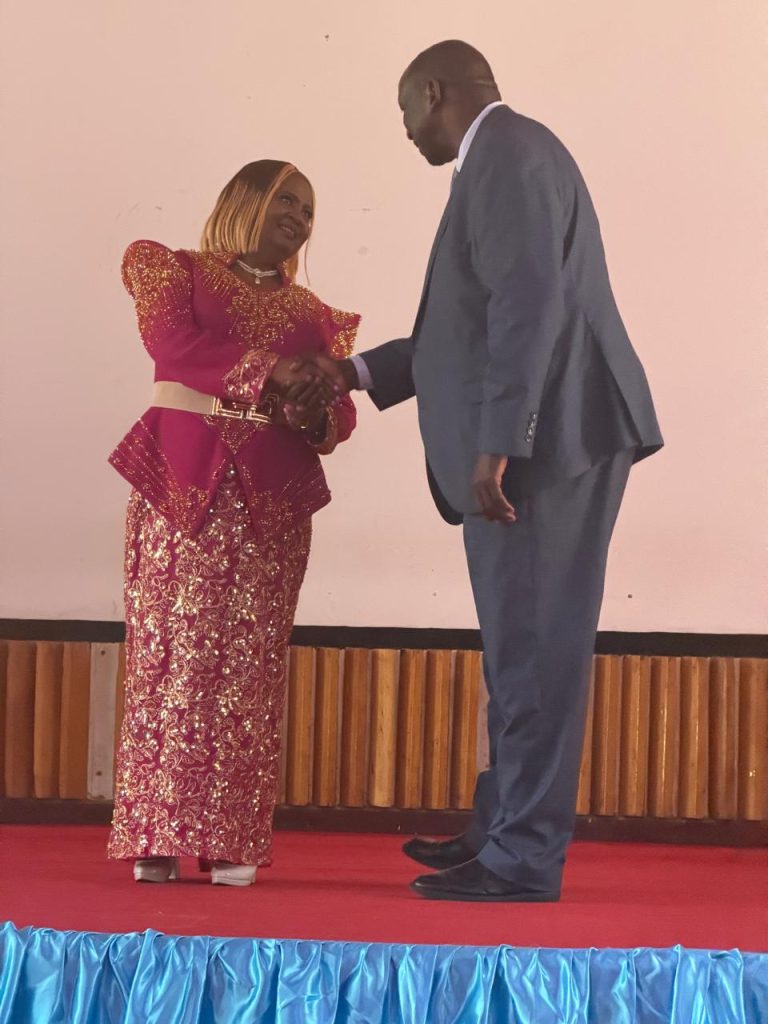
During the launching ceremony

By Suleiman Mbatiah
Nakuru County is sitting on a public health crisis as only 3.4 percent of its 2.16 million residents are connected to a sewerage system, and over 65 percent of all human waste generated daily ends up untreated in the environment.
Peri-urban zones are pushing outward faster than sewer lines can follow, leaving tens of thousands of households reliant on pit latrines, informal disposal methods, and inadequate onsite sanitation arrangements.
The county’s geography worsens an already dire situation as its porous, sandy soils make pit latrines structurally unstable and allow faecal matter to seep into groundwater, compounding the risk of waterborne diseases including typhoid, dysentery and cholera across low-income communities.
To address this gap, Bio Tank Africa has opened a new branch at Shayona Business Centre near Stem Hotel in Nakuru Town East, bringing affordable biodigester technology directly into one of Kenya’s most sanitation-stressed counties.
Bio Tank Africa’s expansion into Nakuru reflects that shift, positioning private off-grid technology as a complement to public infrastructure investment rather than a stopgap, and signalling renewed confidence in market-based approaches to Kenya’s persistent sanitation challenges.
The Friday launch marked the company’s most significant regional expansion since its founding in Thika in 2018. From a single operation, Bio Tank Africa has grown into a three-branch enterprise serving households, developers and commercial clients across central Kenya and now the Rift Valley.
Nakuru’s Cabinet Executive Committee Member for Water, Environment, Energy, Climate Change and Natural Resources, Dr Nelson Maara, attended the launch and welcomed the private sector investment as timely and geologically appropriate.
“The technology has come at the right time as we address the issue of our loose sandy soil profiles that lead to pit latrines collapse and contamination of domestic water through underground cracks,” he reiterated.
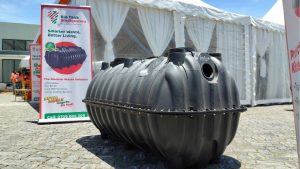
Biodigesters treat waste through natural biological breakdown, requiring no electricity and no connection to a centralised sewer network. Unlike traditional septic tanks, they do not fill up, generate no foul odour, and produce effluent that meets National Environment Management Authority standards.
Bio Tank Africa’s entry-level plastic biodigester units start at Ksh 30,000, considerably below the cost of conventional septic tank installations, which demand greater excavation, more raw materials and higher expenditure on skilled construction labour.
That affordability gap has long pushed middle and lower-income households toward unsafe alternatives. Households in Nakuru collectively generate an estimated 300 million litres of wastewater daily, much of it flowing untreated into rivers and downstream water sources relied upon by residents.
The county government has committed to a Sh5.6 billion water and sewerage overhaul funded by the German Development Bank, targeting infrastructure modernisation and protection of Lake Nakuru from pollution. But officials acknowledge that public investment alone cannot reach every underserved household.
Bio Tank Africa founder Edwin Kirugo said the company’s decision to establish in Nakuru was driven by the visible and urgent mismatch between community need and available solutions on the ground.
“This is not just a business expansion. Nakuru has a real sanitation problem, and we are here because the gap between what people need and what has been available to them is too wide to ignore,” he said.
The launch drew officials from the construction and plumbing sectors alongside county government representatives, signalling growing institutional appetite for private sector participation in closing Nakuru’s long-standing sanitation service delivery gap.
The new branch will serve households, property developers and contractors working in areas without sewer connections, offering both product access and technical support. Its portfolio includes grease trap systems, septic tank treatment solutions and the Tazo natural home care product range.
Nakuru Town East Ward MCA Anthony Kanyere said the availability of locally accessible sanitation alternatives was becoming increasingly critical as urban expansion placed mounting pressure on the county’s existing and already overstretched sewer infrastructure.
Nakuru recorded a 25 percent increase in safely managed sanitation services over the past decade. That progress has been attributed to a growing policy consensus that onsite and offsite systems must work together, rather than one substituting for the other.
Similar Posts by The Mt Kenya Times:
- Mt Kenya Times ePAPER October 26, 2026
- Sakaja challenges Kamukunji police over Eastleigh suspect bail
- Muturi demands binding livestreaming rules for 2027 polls to prevent repeat of 2022 chaos
- NTSA calls for road safety to be declared a national disaster after 24 die in Mtito Andei crash
- Ruku turns on Waiguru over deputy president ambitions: ‘That seat is not being contested for’
About the Author