
 The Mt Kenya Times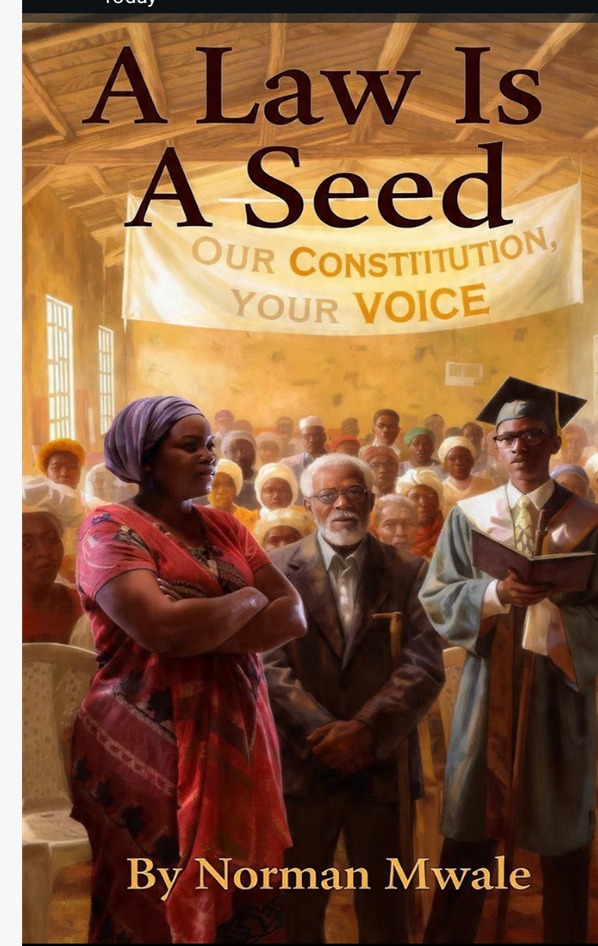
“A law is not a stone. It is a seed. Plant it wrong, and it grows thorns.”
The wind came down from the red hills of home that Tuesday with dust in its mouth and old songs caught between its teeth. It pushed through the jacaranda on Samora Machel, rattled the zinc roofs in Mbare, and found Gogo Sekai on her veranda in Highfield with a chipped enamel mug of tea. The radio coughed, then spoke.
“…Parliament has gazetted Constitutional Amendment Bill Number 3…”
Gogo Sekai did not move. She let the tea cool. She knew the weight of certain words before she understood them.
In the yard, Tafara was sweeping — twenty-four, a law degree from UZ, a suit jacket he wore even when the sun pressed down like a hand.
“Gogo, what did they say?”
“They said Bill Number 3,” she answered. “They said it like a drum at a funeral.”
Tafara had read it at midnight under a library bulb that flickered like a tired eye. Thirty-seven pages. Judges. Tenure. Power moved from one hand to another with language smooth as oil.
Across town, in a glass building that threw the sky back at itself, Minister of Justice Tendai Madzivanyika stood at his window — a man from Murewa who still folded paper the way his nurse mother taught him, into neat squares. On his desk: the Bill. On his wall: his father in a worn hat, beside maize that stood like soldiers.
His aide Rudo came in fast. “Sir. Lawyers are waiting. Churches are waiting. Students are waiting. Twitter is already on fire.”
“Then we must not answer with silence,” Madzivanyika said. “Silence is also an answer.”
“Which one are we giving?”
“The one that lets people sleep tonight.”
That evening the Anglican hall in Mbare smelled of sweat, paraffin, and hope. A generator complained under a banner reading Our Constitution, Our Voice. Mai Chipo, who sold tomatoes at Mupedzanhamo, sat front row with arms folded. Beside her, Sekuru Bango, a war veteran, leaned on his stick.
Tafara stood when the chair called for speakers. “Comrades,” he said, and the word still meant something here. “Bill Number 3 is about who decides, and for how long. My grandmother taught me you don’t change the roof while people are sleeping under it. You ask if the rain is still coming in.”
Sekuru Bango rose slowly, and the room leaned with him. “I did not carry a gun so that a paper could be changed while we are looking at football. I carried it so my grandchildren could argue in a hall, not in a bush.” He pointed his stick at Tafara. “Read it to us. In Shona. The kind we use when someone has died and we must tell the truth.”
Tafara read, clause by clause. When he reached the judiciary section, someone hissed. When he reached tenure, Mai Chipo said only, “Aah.” The generator sputtered and died, and in the dark Sekuru Bango’s voice was clearer than ever: “Power is like sadza. If one person eats from the pot alone, everyone else gets hungry.”
Outside, Madzivanyika walked home without an escort. A woman at a maize roast called to him. “Minister! Will you carry our voice?”
“I will carry it,” he said, buying two cobs. “But voices must also walk. One man’s back breaks.”
“Then we will walk,” she said, turning the maize.
The next morning Parliament was full — red t-shirts, church uniforms, press pens clicking. Madzivanyika spoke without notes.
“Honourable Speaker, a constitution is not a shirt. You do not change it because fashion has changed. It is skin. When you cut it, the nation bleeds.” He spoke of his father’s field, of weeding, of waiting for rain. “Bill 3 has good intentions. But good intentions without the people’s hands are rain on concrete. They run off and make puddles for mosquitoes.”
From the back: “Whose side are you on?”
“Zimbabwe’s,” he said. “All of it. The kombi driver and the judge. The teacher and the miner. The living and the one not yet born.”
He proposed three things: public hearings in every province, an independent panel to review the judicial clauses, and sixty days for the Bill to return to the people. The Speaker adjourned.
The weeks that followed moved like a river in rainy season — tents in Bulawayo, microphones in Mutare, a hall in Masvingo with no chairs, so people stood. A teacher in Gweru said, “Do not make the law a rope.” A nurse in Bindura said, “We need panadol more than new paragraphs.” A miner in Hwange said, “Let the courts be free, so we can breathe.” The comments filled boxes. The boxes filled cars. The cars came to Harare.
Rudo brought Madzivanyika coffee at midnight as he read summaries in blue ink. “Why are you killing yourself over this?”
He tapped his father’s photo. “Because he planted maize and told me leadership is weeding. You do it when no one is clapping. You do it so something else can grow.”
The Bill returned thinner, cleaner — some clauses gone, others rewritten in plain English and plain Shona, with one new line: No amendment affecting the independence of the judiciary shall take effect without a referendum.
Parliament voted. It was not quiet. It was not unanimous. But it was enough.
Outside, Gogo Sekai stood in her blue headwrap, Mai Chipo with a bag of oranges, Sekuru Bango with his stick, Tafara with his notebook. The result came over the radio. No ululation — just breath, a country exhaling.
“So? Did we win?” Mai Chipo asked.
Gogo Sekai looked at the hills turning purple. “In Africa we do not win against each other. We survive together, or the wind takes us all.”
Sekuru Bango tapped his stick on the ground. “Then let us go home and weed.”
Two months later, as the new clause demanded, a referendum was announced. People grumbled, then organised. Tafara printed flyers at his own cost. Gogo told the story at the hair salon. Mai Chipo wrote on her tomato crates: Ask me about the Bill. Madzivanyika sat among the crowd at hearings rather than at the high table, passing tissues to those who cried.
A journalist asked him, “Minister, are you afraid this will weaken the government?”
“I am more afraid,” he said, “of a government that is afraid of its people.”
On voting day the queues were long, the sun hot, women bringing water, men sharing umbrellas. The amendment passed — not unchanged, not perfect, but with the people’s fingerprints on it.
That night Madzivanyika left the Bill on his desk with a note in blue ink: Return to sender. The owners have read it.
In Highfield, Gogo Sekai folded the newspaper and tucked it beneath the table leg that was short. “See,” she told Tafara. “Even law can be useful.”
He laughed — the first real laugh in weeks. Outside, the wind moved again over the red hills, over the fields, over the cities, like a question and an answer both.
A child asked, “Gogo, what happens next?”
And Gogo answered, “Next, we water the seed.”
Author Bio:
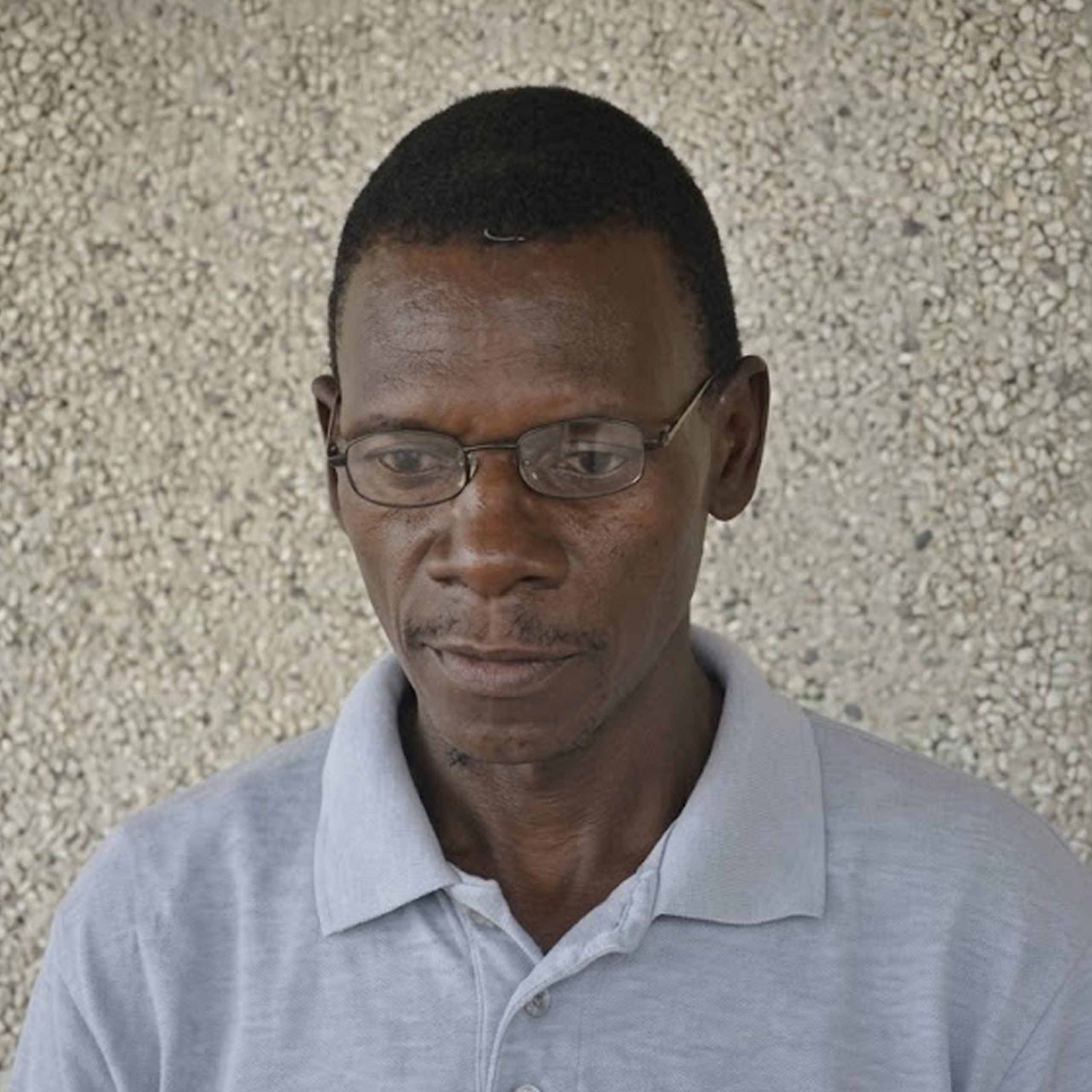
Norman Mwale is a Zimbabwean writer and commentator whose work explores governance, memory, and everyday resilience in Southern Africa. His essays and short stories have appeared in diaspora and local publications across Africa and Europe. He writes from the Gold City of Kwekwe. _A Law Is A Seed_ is his first short story on constitutional democracy.
Similar Posts by The Mt Kenya Times:
- Mt Kenya Times ePAPER October 9, 2026
- Ruto claims farming revolution as election season dawns
- China grants Kenya $2M for drought and Ebola response
- High Court upholds KSh2.5M IEBC fine against Gikaria
- Kenya’s opposition fractures with 11 months to the ballot
About the Author


Good read