Dangote refinery could redefine Kenya’s economic future, says energy expert
 The Mt Kenya Times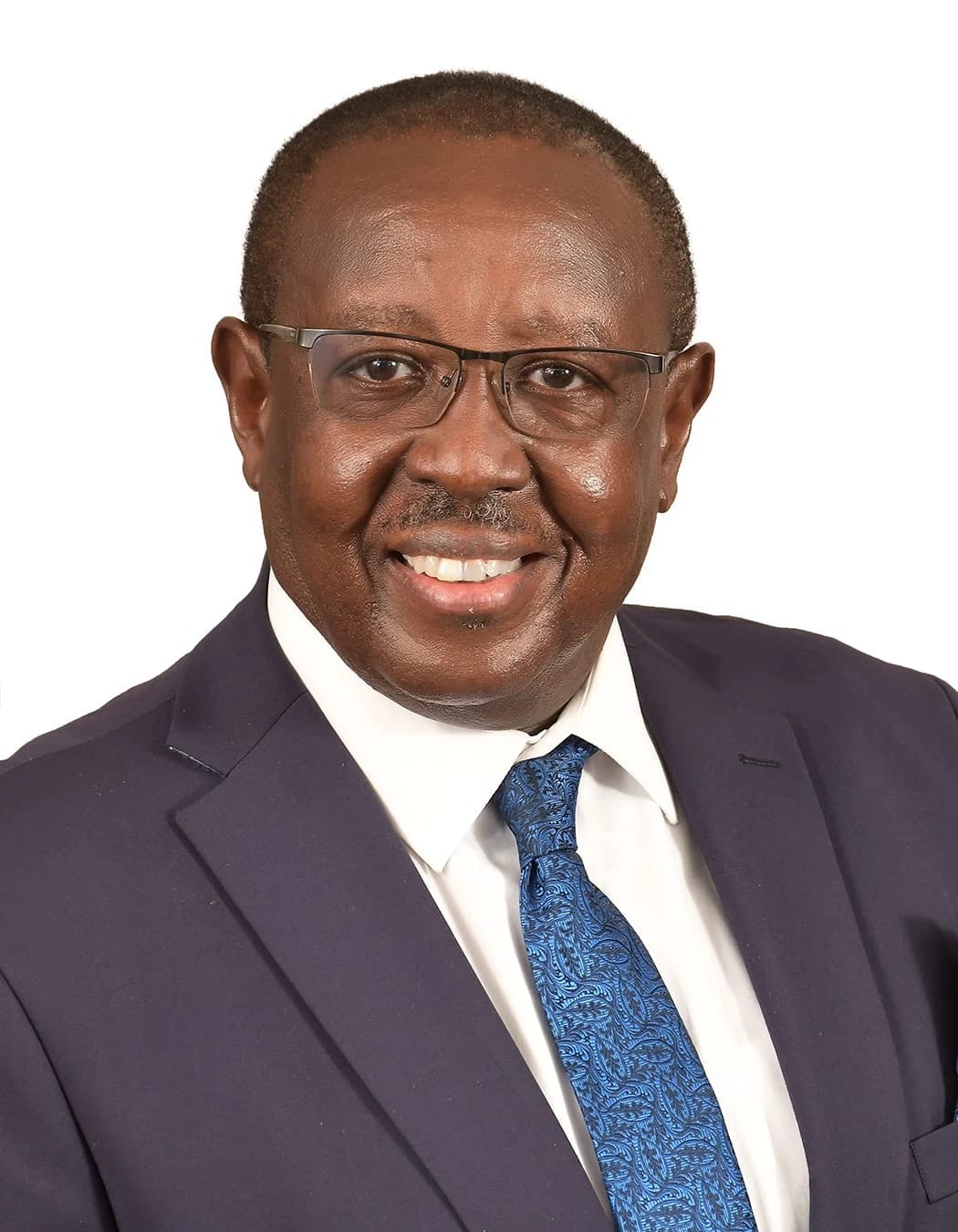
Eng. James N. Mwangi
Engineer James Mwangi says the $17 billion Lamu project could become the anchor of Kenya’s next industrial corridor
By John Kariuki
The proposed $17 billion oil refinery that Nigerian billionaire Aliko Dangote plans to build on Lamu Island could transform Kenya into East Africa’s next energy and industrial hub, according to consulting engineer James Mwangi, chief executive of Kurrent Technologies.
Dangote Industries confirmed last week that it has selected Lamu over a previously considered site in Tanzania for the 700,000-barrel-a-day refinery, which would become the company’s largest refining investment outside Nigeria and East Africa’s biggest energy project. Edwin Devakumar, the company’s vice president for oil and gas, said soil testing and preliminary engineering work are already under way, with construction expected to take up to three years once ground is broken. The Kenyan government has allocated KSh21.5 billion in seed capital toward the project in the 2026/27 national budget, and President William Ruto has appointed Deputy President Kithure Kindiki to chair a committee coordinating the project with Dangote Industries and other stakeholders.
Mwangi, a registered consulting engineer with more than three decades of experience in Kenya’s energy and oil and gas sectors, said the refinery should not be viewed simply as a fuel-processing plant. “A transport corridor alone cannot unlock its full economic value unless it is accompanied by industries capable of creating employment, stimulating commerce and attracting private capital,” he said.
He argues the refinery and its associated pipeline infrastructure could become the centrepiece of a second major economic corridor for Kenya, complementing the Lamu Port South Sudan Ethiopia Transport corridor, or LAPSSET, which has already opened up northern Kenya through investment in roads, rail, ports and logistics infrastructure. Where LAPSSET has built the connective tissue, Mwangi said, a refinery of this scale supplies the industrial anchor that such corridors typically lack. He believes its presence along the route would draw manufacturing, storage, engineering and financial services into counties that have historically lagged economically.
Mwangi also pointed to Kenya’s largely unexploited petroleum frontier, including the Anza, Mandera and Lamu basins and the northern Tertiary Rift, as assets that stand to benefit directly from the refinery’s presence. He said the absence of domestic downstream processing capacity has long limited investor appetite for exploration in these areas, since discoveries would otherwise need to be exported as crude. “The presence of mid petroleum infrastructure changes investor perception. Exploration becomes more attractive when investors can clearly see a complete petroleum value chain within the region,” he said.
He further suggested the project could draw exploration and production interest from South Sudan and Ethiopia, both of which have substantial hydrocarbon potential, arguing that a shared regional value chain would strengthen East Africa’s overall competitiveness. “The East African Community already provides a substantial market. What is required is coordinated investment that allows countries to benefit collectively from regional natural resources and industrial capacity,” he said.
The greatest economic opportunity, in Mwangi’s assessment, lies not in fuel production alone but in the petrochemical ecosystem that tends to grow around large refineries elsewhere in the world, including fertiliser, plastics, synthetic fibres and industrial chemical manufacturing. Kenya currently imports the bulk of these products despite the theoretical capacity to produce many of them domestically, he said. “A refinery is not simply about producing diesel, petrol, LPG or aviation fuel. It creates the foundation upon which multiple manufacturing industries can thrive.”
He outlined a series of anticipated knock-on effects: reduced fertiliser costs for farmers, expanded plastics and construction-materials manufacturing, and new business for transport firms, financial institutions, engineering contractors and small enterprises supplying logistics and support services. Universities and technical colleges, he said, would likely need to expand petroleum and chemical engineering programmes to meet a growing demand for specialised skills, positioning Kenya as a potential regional training hub for energy professionals.
Mwangi also argued the project could ease pressure on Kenya’s import bill and strengthen the shilling over time, by reducing reliance on imported refined fuel, fertiliser and industrial chemicals, all of which currently expose the economy to global price shocks. Recent reporting has underscored that exposure: Kenya’s fuel import bill through the Port of Mombasa supplies not only the domestic market but Uganda, Rwanda, South Sudan, eastern Democratic Republic of Congo and northern Tanzania, making the country acutely sensitive to global supply disruptions.
He cautioned, however, that realising these ambitions will require deliberate regional planning rather than competition between neighbouring states for isolated national projects. He called for harmonised energy policy and shared investment frameworks across the East African Community, arguing that countries pursuing separate, uncoordinated projects would dilute the collective benefit available through an integrated petroleum value chain.
The project still carries significant execution risk. Dangote’s Lagos refinery, on which the Lamu plant is expected to be modelled, saw its cost rise from an initial estimate of roughly $9 billion in 2013 to more than $20 billion by the time it began operating in 2024, driven by site relocation, engineering complications, currency depreciation and global inflation. Dangote Industries has said the Kenyan project will be financed through internally generated cash flow, corporate bonds and a planned initial public offering, with Devakumar indicating the IPO could be announced as early as October.
For Mwangi, the scale of the undertaking does not diminish its significance. “Kenya has reached a defining moment in its industrial development,” he said, arguing that with the right mix of policy, public-private partnership and regional cooperation, the refinery could become one of the most consequential industrial investments in the country’s modern history, shifting Kenya from an importer of refined fuel toward becoming a regional producer and industrial exporter.
Whether that shift materialises will depend less on Dangote’s balance sheet than on the follow-through of Kenyan policymakers now tasked with turning a groundbreaking ceremony into an operating refinery.
Similar Posts by The Mt Kenya Times:
- Mt Kenya Times ePAPER October 12, 2026
- Gachagua’s party storms Kikuyu from afar as 2027 countdown begins
- Counties caught: The KSh100B payroll scandal Kenya can no longer hide
- CS Ogamba: tree planting could generate carbon credit millions to fund education
- Farouk Kibet calls for unity and development as leaders rally behind Ruto’s 2027 re-election bid
About the Author