Explosives industry welcomes new bill, but wants fireworks treated differently from mining blasts
 The Mt Kenya Times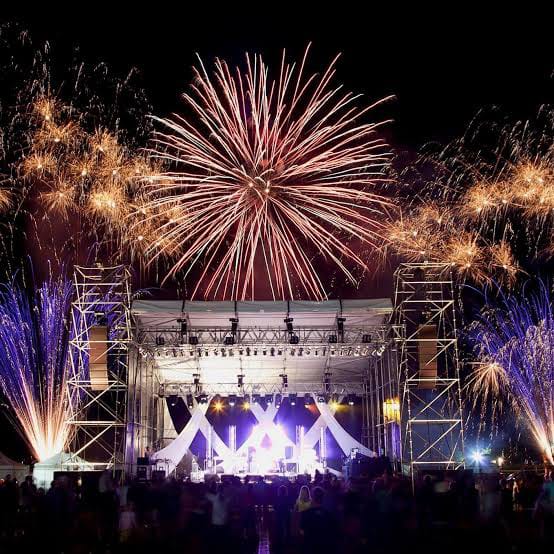
Pyrotechnics
Pyrotechnics operators back government’s push to regulate the sector, while urging a dedicated framework separate from mine blasting rules
By John Kariuki
Members of the Explosives Association of Kenya have welcomed the government’s move to regulate the sector, presenting their views at the close of the public participation forum for the Draft Explosives Bill 2026 — a sector that has, for years, operated without clear restrictions, raising ongoing concerns about how such activities should be conducted. The Bill proposes to introduce safety standards, licensing, professional training and environmental regulations.
Speaking through the association’s spokesperson, Zameer Noorali of Jays Pyrotechnics Limited, the industry welcomed the Ministry’s effort to modernise and regulate Kenya’s explosives and fireworks frameworks. “We respectfully submit that fireworks and pyrotechnics should not be treated in the same manner as mining and blasting explosives,” Noorali said. “Their uses are entirely different — public celebrations, national events, concerts, hotels, stadiums, weddings, religious festivals and other close-proximity entertainment settings. Fireworks and pyrotechnics require a dedicated section within the proposed law.”
The Draft Explosives Bill 2026 proposes an application fee of KSh 500, a certificate fee of KSh 1,000, and a yearly renewal fee of KSh 1,000 for a pyrotechnician. For a fireworks contractor, it proposes an application fee of KSh 1,000, a licence fee of KSh 20,000, and an annual renewal fee of the same amount — figures the industry feels are somewhat steep.
The association’s central concern is public safety. No person, they argue, should be permitted to operate fireworks, stage pyrotechnics, rooftop displays, close-proximity effects or public shows unless properly trained, certified, insured and licensed under the correct class of pyrotechnician licence. “A permit or licence should not be issued merely because a person has paid a fee. Fees should be administrative charges only,” Noorali said. “Before any person is licensed as a pyrotechnician or fireworks contractor, they should first prove competence through recognised training, practical supervised experience, fire safety training, first aid training, firing-system knowledge, risk assessment ability and proper certification from an approved training institution.”
On the question of fees, the association is urging the Ministry to ensure the proposed charges are fair, proportionate and practical — supporting safety and enforcement without making lawful compliance so expensive that operators are pushed toward informal and unsafe practices instead. Particular attention, they say, should be paid to manufacturing fees, dealer licensing fees, import permit fees, and purchase permit fees for low-value consumer fireworks, along with a clearer distinction between dealer permits and dealer licences.
The Ministry should also draw on safety principles already established under the Mine Health, Safety and Environment Regulations — including training, competence, certified supervision, personal protective equipment, emergency planning, incident reporting, investigation and proper record-keeping. The association believes these same principles should apply to fireworks and close-proximity pyrotechnics, but through a framework tailored specifically to the sector, rather than a direct copy of mine blasting rules.
Finally, the association is calling for formal recognition of the Fireworks and Pyrotechnics Association of Kenya as the umbrella body to represent the industry’s interests as the Bill progresses.
Similar Posts by The Mt Kenya Times:
- Mt Kenya Times ePAPER October 23, 2026
- Ruto’s parting COMESA call: Remove the barriers, honour the commitments
- Direct hospital access to KEMSA cuts drug delays, says PS
- Africa can’t wait: Continent seeks $1 trillion for climate adaptation
- Ruto passes the baton as Africa’s trade bloc faces a fragmenting world
About the Author